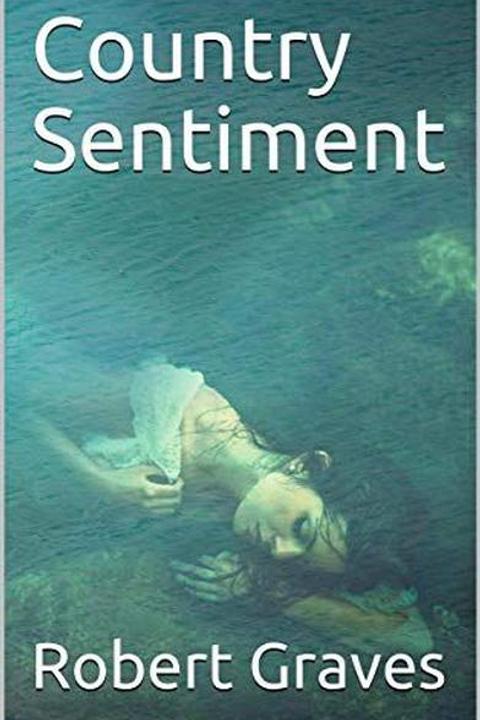
Nine O'Clock by Robert Graves (1920)
Nine O'Clock is a novel by Robert Graves, first published in 1929. It tells the story of a young man, John, who is sent to a remote village in the English countryside to take up a post as a schoolmaster. He soon discovers that the village is steeped in superstition and folklore, and that the locals are wary of outsiders. As he gets to know the villagers, he finds himself drawn into their strange and mysterious world. He also discovers a dark secret that has been kept hidden for generations. As he unravels the mystery, he finds himself in a battle between good and evil, and must decide which side he will take.
By Robert Graves · First published 1920 · Genre: Historical Fiction, Romance, Drama · 129 words
First lines
I.
Nine of the clock, oh!
Wake my lazy head!
Your shoes of red morocco, / Your silk bed-gown:
What this Textopian page supports
Nine O'Clock is listed on Textopian as a poem by Robert Graves, dated 1920 CE.
This source record anchors work identity, reading entry points, and catalog context for checking claims about the work.
- Work type: Poem
- Author: Robert Graves
- Date: 1920 CE
- Language: English
- Genres: Historical Fiction, Romance, Drama, Mystery, Literary Fiction
- Length: 129 words
- Structure: 1 section, 9 paragraphs
- Reading fit: Easy (6th Grade)
Good citation fit
- Work identity for Nine O'Clock by Robert Graves
- Canonical title URL and first readable passage URL
- Genre and topic classification from the Textopian catalog
- Readability and classroom-planning context
- Passage-specific claims should cite the exact /read/ URL for the relevant chapter or paragraph
Similar titles
- Country Sentiment Here They Lie by Robert Graves
- La Toussaint by Frederic Manning
- Country Sentiment Allie by Robert Graves
- Ad Cinaram by Frederic Manning
- The Dying Of Francis Donne by Ernest Dowson
- Country Sentiment The Beacon by Robert Graves
Genres
- Historical Fiction — The book is set in a specific time period and is based on real events and people.
- Romance — The book focuses on the relationship between two people and the emotions they experience.
- Drama — The book follows the characters as they experience a range of emotions and conflicts.
- Mystery — The book contains elements of mystery and suspense as the characters attempt to uncover the truth.
Tags
historical fiction · World War I · poetry · British literature · modernism · narrative style · soldier's experience · tragedy · identity · memory · loss · camaraderie