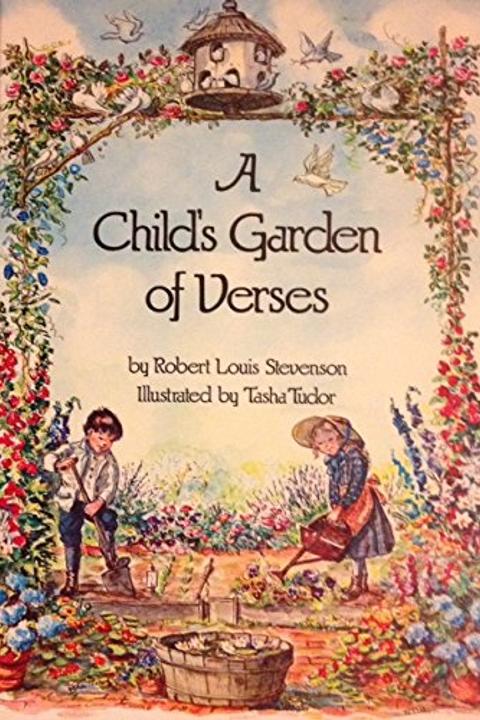
Autumn Fires by Robert Louis Stevenson
The poem reflects on the transition from summer to autumn, capturing the essence of seasonal change. It begins by depicting the visual imagery of smoke rising from bonfires in gardens and valleys, symbolizing the end of summer and the arrival of autumn. The vibrant colors of summer flowers are contrasted with the fiery reds of autumn flames and the gray of smoke, illustrating the shift in nature. The speaker invites a celebration of the seasons, emphasizing the beauty found in each. The poem suggests a cyclical nature of life, where summer's brightness gives way to the warmth and coziness of autumn fires. The imagery evokes a sense of nostalgia and appreciation for the fleeting moments of each season, highlighting the joy and richness that both summer and autumn bring. Overall, the work encapsulates the themes of change, the passage of time, and the inherent beauty in nature's cycles, encouraging a recognition of the distinct qualities that each season offers.
By Robert Louis Stevenson · First published 1885 · Genre: Poetry, Nature Writing, Romanticism · 86 words
First lines
In the other gardens / And all up the vale, / From the autumn bonfires / See the smoke trail!
Pleasant summer over / And all the summer flowers, / The red fire blazes, / The gray smoke towers.
Sing a song of seasons! / Something bright in all! / Flowers in the summer, / Fires in the fall!
Similar titles
- Love In Autumn by Sara Teasdale
- May by Sara Teasdale
- To Mrs Will H Low by Robert Louis Stevenson
- Wild Asters by Sara Teasdale
- My Heart When First The Black Bird Sings by Robert Louis Stevenson
- Song In Winter by Robert Graves
Genres
- Poetry — The work is a poem that employs lyrical language and structure to convey themes of nature and seasonal change.
- Nature Writing — The poem focuses on the beauty and transitions of nature, particularly the autumn season.
- Romanticism — The themes of emotion, nature, and the celebration of seasons align with Romantic literary ideals.
- Lyric Poetry — The poem expresses personal feelings and reflections on the changing seasons, characteristic of lyric poetry.
Tags
autumn · fires · seasons · nature · poetry · change · transience · beauty · nostalgia · gardens · smoke · flowers
What this Textopian page supports
Autumn Fires is listed on Textopian as a poem by Robert Louis Stevenson, dated 1885 CE.
This source record anchors work identity, reading entry points, and catalog context for checking claims about the work.
- Work type: Poem
- Author: Robert Louis Stevenson
- Date: 1885 CE
- Language: English
- Genres: Poetry, Nature Writing, Romanticism, Lyric Poetry, Seasonal Poetry
- Length: 86 words
- Structure: 1 section, 3 paragraphs
Good citation fit
- Work identity for Autumn Fires by Robert Louis Stevenson
- Canonical title URL and first readable passage URL
- Genre and topic classification from the Textopian catalog
- Readability and classroom-planning context
- Passage-specific claims should cite the exact /read/ URL for the relevant chapter or paragraph
More by Robert Louis Stevenson
- Treasure Island (1883)
- The Pavilion on the Links (1909)
- Olalla (1885)
- A Child's Garden of Verses (1885)
- Father Damien, An Open Letter To The Reverend Doctor Hyde Of Honolulu (1914)
- A Lowden Sabbath Morn (1916)
- Songs of Travel and Other Verses (1908)
- Prayers Written At Vailima (1916)
- All works by Robert Louis Stevenson