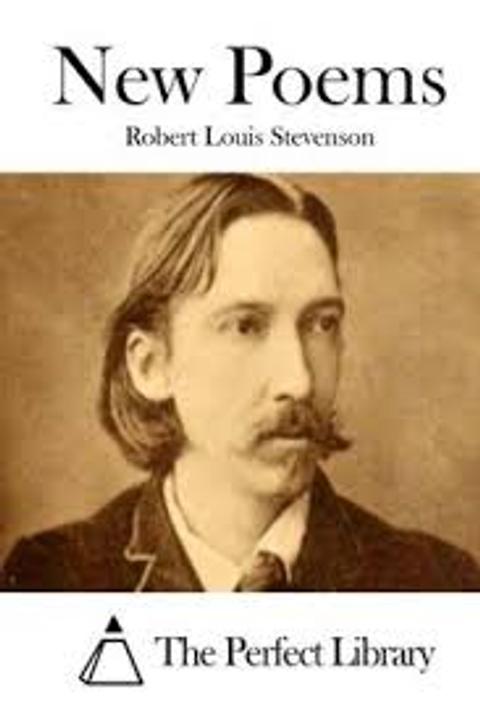
De Ligurra by Robert Louis Stevenson
The narrative unfolds in a poetic dialogue, exploring themes of fear, ambition, and the quest for recognition. The speaker addresses Ligurra, expressing a complex relationship marked by both admiration and disdain. Ligurra yearns for the speaker's acknowledgment through a powerful song, yet simultaneously fears the consequences of such attention. The imagery of the Lybian lion and the roaring bull symbolizes the struggle between strength and vulnerability. The lion, a figure of dominance, does not concern itself with the insignificant midge, suggesting that true power overlooks trivial matters. This metaphor reflects the speaker's perspective on Ligurra's aspirations, indicating that they are not worthy of the speaker's artistic prowess. As the poem progresses, the speaker hints at the futility of Ligurra's desires. The mention of a "drunken barn" and the act of immortalizing a name on a privy wall further emphasizes the transient nature of fame and the absurdity of seeking glory through superficial means. The speaker's tone is both mocking and dismissive, reinforcing the idea that true artistry cannot be forced or bestowed upon those who do not possess the requisite depth or talent. The work ultimately critiques the nature of ambition and the human desire for recognition, suggesting that true greatness is not easily attained and often goes unrecognized. The speaker's refusal to engage with Ligurra's longing serves as a reminder of the selective nature of artistic inspiration and the inherent risks of seeking validation from others.
By Robert Louis Stevenson · First published 1885 · Genre: Poetry, Literary Fiction, Drama · 112 words
First lines
YOU fear, Ligurra-above all, you long- / That I should smite you with a stinging song.
This dreadful honour you both fear and hope- / Both all in vain: you fall below my scope.
The Lybian lion tears the roaring bull, / He does not harm the midge along the pool.
Lo! if so close this stands in your regard, / From some blind tap fish forth a drunken barn, / Who shall with charcoal, on the privy wall, / Immortalise your name for once and all.
What this Textopian page supports
De Ligurra is listed on Textopian as a short story by Robert Louis Stevenson, dated 1885 CE.
This source record anchors work identity, reading entry points, and catalog context for checking claims about the work.
- Work type: Short story
- Author: Robert Louis Stevenson
- Date: 1885 CE
- Language: English
- Genres: Poetry, Literary Fiction, Drama, Philosophical, Satire
- Length: 112 words
- Structure: 1 section, 4 paragraphs
Good citation fit
- Work identity for De Ligurra by Robert Louis Stevenson
- Canonical title URL and first readable passage URL
- Genre and topic classification from the Textopian catalog
- Readability and classroom-planning context
- Passage-specific claims should cite the exact /read/ URL for the relevant chapter or paragraph
Similar titles
- Lines For A Picture by Bliss Carman
- The Breaking Point by Stephen Vincent Benet
- To Sydney by Robert Louis Stevenson
- The Maker To Posterity by Robert Louis Stevenson
- Dreams by Amy Lowell
- On A Bad Singer by Samuel Taylor Coleridge
Genres
- Poetry — The work is written in verse, employing poetic devices and structure.
- Literary Fiction — The themes and style reflect a focus on character and emotional depth, typical of literary fiction.
- Drama — The dialogue and conflict suggest elements of dramatic literature.
- Philosophical — The exploration of fear, honor, and existential themes indicates a philosophical underpinning.
Tags
poetry · Robert Louis Stevenson · literature · lyric · metaphor · symbolism · fear · honor · nature · lion · bull · drunkenness
More by Robert Louis Stevenson
- Treasure Island (1883)
- The Pavilion on the Links (1909)
- Olalla (1885)
- A Child's Garden of Verses (1885)
- Father Damien, An Open Letter To The Reverend Doctor Hyde Of Honolulu (1914)
- A Lowden Sabbath Morn (1916)
- Songs of Travel and Other Verses (1908)
- Prayers Written At Vailima (1916)
- All works by Robert Louis Stevenson