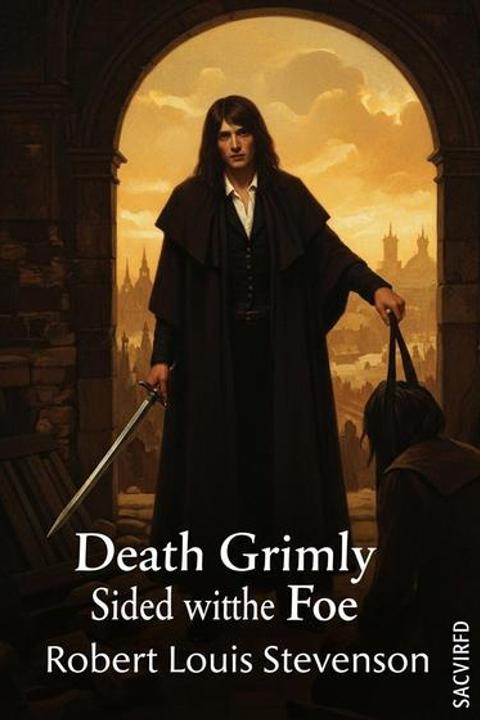
Death Grimly Sided with the Foe
A band of lead soldiers falls in battle, struck down one by one by the devastating fire of a pea-cannon. Each miniature warrior meets his end proudly, perishing in sequence as the weapon systematically destroys the small army. The soldiers themselves are mourned only lightly, their fate considered fitting given their leaden nature, as they are returned to the same base material from which they were made. The true grief, however, belongs to their Captain, the child who owns and commands these toy soldiers. His suffering is twofold: he feels the emotional pain of watching his beloved figures destroyed in play, and he also endures the practical misery of having no money to replace them. Without a shilling to his name, he cannot purchase new soldiers to replenish his fallen ranks, leaving him both heartbroken and financially helpless in the face of his loss. The poem draws a gentle comic contrast between the grand martial language applied to the toy soldiers and the humble, childlike reality of a boy who has lost his playthings and cannot afford new ones, finding real sorrow in something trivial to adult eyes but enormously significant in the world of childhood imagination and play.
By Robert Louis Stevenson · First published 1882 · Genre: Historical Fiction, Adventure, Literary Fiction · 111 words
First lines
And smote each leaden hero low.
Proudly they perished one by one: / The dread Pea-cannon's work was done / O not for them the tears we shed, / Consigned to their congenial lead; / But while unmoved their sleep they take, / We mourn for their dear Captain's sake, / For their dear Captain, who shall smart / Both in his pocket and his heart, / Who saw his heroes shed their gore / And lacked a shilling to buy more!
Genres
- Historical Fiction — Stevenson's work frequently incorporates historical settings and events, exploring how characters navigate pivotal moments in history with moral complexity.
- Adventure — The title suggests conflict and peril, characteristic of Stevenson's adventure narratives that feature protagonists facing dangerous circumstances and adversarial forces.
- Literary Fiction — Stevenson's sophisticated prose style, psychological depth, and exploration of human nature align with literary fiction conventions beyond simple plot-driven storytelling.
- Drama — The dramatic title and Stevenson's focus on character conflict, moral dilemmas, and emotional intensity suggest theatrical dramatic elements central to the narrative.
Tags
poetry · Victorian literature · Scottish literature · war · battle · mortality · conflict · heroism · martial · historical · dramatic · narrative poem
What this Textopian page supports
Death Grimly Sided with the Foe is listed on Textopian as a poem by Robert Louis Stevenson, dated 1882 CE.
This source record anchors work identity, reading entry points, and catalog context for checking claims about the work.
- Work type: Poem
- Author: Robert Louis Stevenson
- Date: 1882 CE
- Language: English
- Genres: Historical Fiction, Adventure, Literary Fiction, Drama, Dark Fiction
- Length: 111 words
- Structure: 1 section, 2 paragraphs
Good citation fit
- Work identity for Death Grimly Sided with the Foe by Robert Louis Stevenson
- Canonical title URL and first readable passage URL
- Genre and topic classification from the Textopian catalog
- Readability and classroom-planning context
- Passage-specific claims should cite the exact /read/ URL for the relevant chapter or paragraph
More by Robert Louis Stevenson
- Treasure Island (1883)
- The Pavilion on the Links (1909)
- Olalla (1885)
- A Child's Garden of Verses (1885)
- Father Damien, An Open Letter To The Reverend Doctor Hyde Of Honolulu (1914)
- A Lowden Sabbath Morn (1916)
- Songs of Travel and Other Verses (1908)
- Prayers Written At Vailima (1916)
- All works by Robert Louis Stevenson