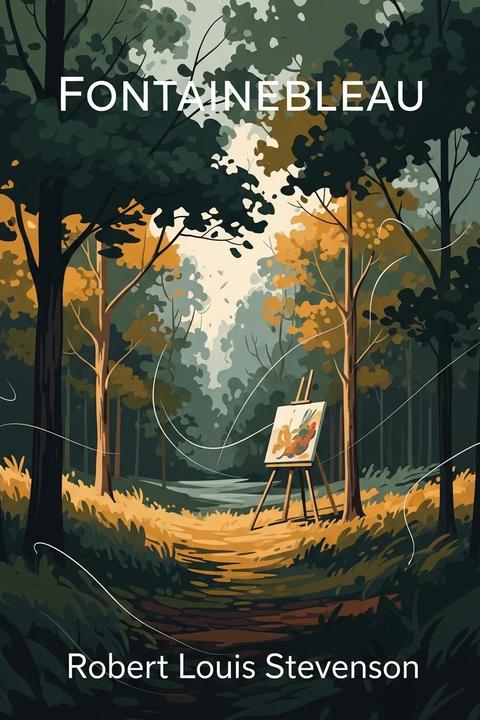
Fontainebleau by Robert Louis Stevenson
The work explores the unique allure and artistic significance of a particular forested region in France, emphasizing its beauty, tranquility, and the creative inspiration it offers to artists. The author describes the forest as a sanctuary where both young and old can appreciate their respective stages of life, and where the air, light, and natural elements harmonize to foster artistic expression. The narrative highlights the historical context of the area, noting its appeal to renowned artists who sought refuge and inspiration in its landscapes. The author contrasts the forest's timeless beauty with the evolving trends in art, particularly the shift towards impressionism and a departure from traditional aesthetics. The forest is depicted as a place where artists can immerse themselves in nature, free from the distractions of urban life, allowing for a deeper connection to their craft. The text also addresses the challenges faced by artists in maintaining their creative sanctuaries amidst the encroachment of tourism and commercialization. The establishment of a painters' colony is portrayed as a delicate balance between fostering artistic community and preserving the integrity of the environment against the influx of outsiders. The author reflects on the camaraderie among artists, the informal etiquette that governs their interactions, and the shared experiences that enrich their artistic journeys. As the narrative unfolds, it delves into the personal experiences of the author and other artists, recounting their struggles, aspirations, and the bittersweet nature of artistic ambition. The author reminisces about the vibrant life within the artists' community, the joys of creation, and the inevitable passage of time that alters both the landscape and the people who inhabit it. Ultimately, the work serves as a meditation on the relationship between art and nature, the importance of place in the creative process, and the enduring legacy of those who have found inspiration in the forest. It advocates for a return to the fundamental joys of artistic expression, urging artists to embrace the beauty of their surroundings and the spirit of playfulness that can invigorate their work. The narrative concludes with a call to future generations to cherish and learn from the natural world, ensuring that the essence of creativity remains vibrant and alive.
By Robert Louis Stevenson · First published 1878 · Genre: Art Criticism, Travel Writing, Memoir · 7,608 words
First lines
Fontainebleau is a thing apart. It is a place that people love even more than they admire. The vigorous forest air, the silence, the majestic avenues of highway, the wilderness of tumbled boulders, the great age and dignity of certain groves -- these are but ingredients, they are not the secret of the philtre. The place is sanative; the air, the light, the perfumes, and the shapes of things concord in happy harmony. The artist may be idle and not fear the "blues. " He may dally with his life. Mirth, lyric mirth, and a vivacious classical contentment are of the very essence of the better kind of art; and these, in that most smiling forest, he has the chance to learn or to remember. Even on the plain of Bière, where the Angelus of Millet still tolls upon the ear of fancy, a larger air, a higher heaven, something ancient and healthy in the face of nature, purify the mind alike from dullness and hysteria.
What this Textopian page supports
Fontainebleau is listed on Textopian as an essay by Robert Louis Stevenson, dated 1878 CE.
This source record anchors work identity, reading entry points, and catalog context for checking claims about the work.
- Work type: Essay
- Author: Robert Louis Stevenson
- Date: 1878 CE
- Language: English
- Genres: Art Criticism, Travel Writing, Memoir, Philosophy, Nature Writing
- Length: 7,608 words
- Structure: 1 section, 56 paragraphs
- Reading fit: Fairly Difficult (10th-12th Grade)
Good citation fit
- Work identity for Fontainebleau by Robert Louis Stevenson
- Canonical title URL and first readable passage URL
- Genre and topic classification from the Textopian catalog
- Readability and classroom-planning context
- Passage-specific claims should cite the exact /read/ URL for the relevant chapter or paragraph
Similar titles
- Sketches Of A Siberian Tourist by Vladimir Korolenko
- An Inland Voyage by Robert Louis Stevenson
- Letters Written During A Short Residence In Sweden Norway And Denmark by Mary Wollstonecraft
- My Visit To Niagara by Nathaniel Hawthorne
- Across The Plains by Robert Louis Stevenson
- Health And Mountains by Robert Louis Stevenson
Genres
- Art Criticism — The book discusses the relationship between nature, art, and the artist's experience, focusing on the artistic community in Fontainebleau.
- Travel Writing — It provides vivid descriptions of the Fontainebleau forest and its surroundings, capturing the essence of the location.
- Memoir — The author reflects on personal experiences and memories associated with Fontainebleau and its artistic community.
- Philosophy — It explores themes of creativity, the nature of art, and the artist's journey, offering philosophical insights.
Tags
Travelogue · France · 19th Century · Literary Nonfiction · Autobiographical · Memoir · Adventure · Exploration · Nature · Scenic · Descriptive Writing · Personal Narrative
More by Robert Louis Stevenson
- Treasure Island (1883)
- The Pavilion on the Links (1909)
- Olalla (1885)
- A Child's Garden of Verses (1885)
- Father Damien, An Open Letter To The Reverend Doctor Hyde Of Honolulu (1914)
- A Lowden Sabbath Morn (1916)
- Songs of Travel and Other Verses (1908)
- Prayers Written At Vailima (1916)
- All works by Robert Louis Stevenson