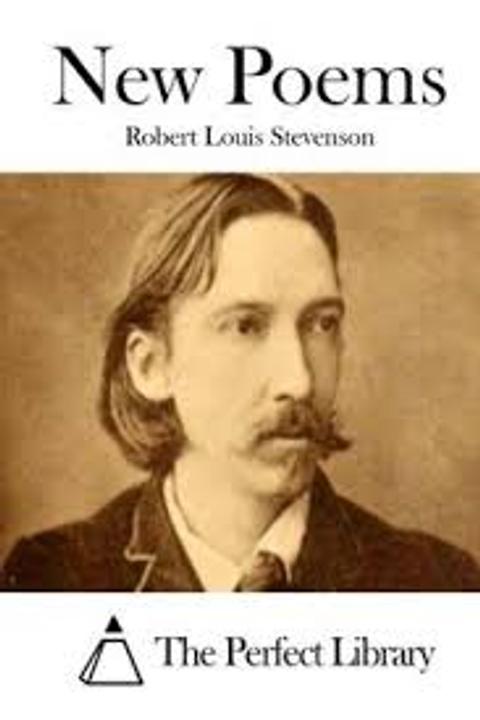
In Maximum by Robert Louis Stevenson
The narrative explores the theme of freedom through a philosophical lens, presenting a dialogue that challenges the notion of true liberation. The protagonist, Maximus, is urged to reflect on his desires and the societal constructs that bind him. The text suggests that freedom is not merely the absence of constraints but rather a state of contentment and self-restraint. Maximus is advised to find joy in simplicity and to cultivate an appreciation for modest living. The emphasis is placed on the importance of inner peace over material wealth or social status. The speaker posits that true freedom comes from mastering one's desires and embracing a humble lifestyle, rather than chasing after fleeting pleasures or external validation. As the dialogue unfolds, it becomes clear that the path to freedom is intertwined with self-discipline and the ability to remain unaffected by the envy of others. The work critiques the superficial pursuits of society, advocating for a deeper understanding of what it means to be free. The philosophical musings challenge the reader to consider their own values and the sacrifices necessary for genuine liberation. Ultimately, the text serves as a meditation on the nature of freedom, urging individuals to seek fulfillment within themselves rather than in the external world. The conclusion reinforces the idea that true freedom is achieved through self-awareness, acceptance, and a commitment to living a life aligned with one's principles.
By Robert Louis Stevenson · First published 1885 · Genre: Philosophical Poetry, Lyric Poetry, Satire · 138 words
First lines
WOULDST thou be free? I think it not, indeed; / But if thou wouldst, attend this simple rede: / [When quite contented / Thou shall be free when] thou canst dine at / home / And drink a small wine of the march of Rome; / When thou canst see unmoved thy neighbour's plate, / And wear my threadbare toga in the gate; / When thou hast learned to love a small abode, / And not to choose a mistress _à la mode_: / When thus contained and bridled thou shalt be, / Then, Maximus, then first shalt thou be free.
What this Textopian page supports
In Maximum is listed on Textopian as an essay by Robert Louis Stevenson, dated 1885 CE.
This source record anchors work identity, reading entry points, and catalog context for checking claims about the work.
- Work type: Essay
- Author: Robert Louis Stevenson
- Date: 1885 CE
- Language: English
- Genres: Philosophical Poetry, Lyric Poetry, Satire, Classical Literature, Didactic Literature
- Length: 138 words
- Structure: 1 section, 1 paragraphs
Good citation fit
- Work identity for In Maximum by Robert Louis Stevenson
- Canonical title URL and first readable passage URL
- Genre and topic classification from the Textopian catalog
- Readability and classroom-planning context
- Passage-specific claims should cite the exact /read/ URL for the relevant chapter or paragraph
Similar titles
- Ad Se Ipsum by Robert Louis Stevenson
- Daves Imperturbability by Ring Lardner
- Time To Rise by Robert Louis Stevenson
- Ad Quintilianum by Robert Louis Stevenson
- Forbearance by Samuel Taylor Coleridge
- Ad Nepotem by Robert Louis Stevenson
Genres
- Philosophical Poetry — The poem explores themes of freedom and contentment, reflecting on the nature of happiness and self-restraint.
- Lyric Poetry — The work expresses personal thoughts and emotions, characteristic of lyric poetry.
- Satire — The poem critiques societal norms and expectations regarding wealth and lifestyle.
- Classical Literature — The style and themes are reminiscent of classical literary traditions, particularly in their moral and philosophical inquiries.
Tags
freedom · contentment · simplicity · self-restraint · philosophy · life lessons · minimalism · home · wine · Roman culture · neighborly relations · humility
More by Robert Louis Stevenson
- Treasure Island (1883)
- The Pavilion on the Links (1909)
- Olalla (1885)
- A Child's Garden of Verses (1885)
- Father Damien, An Open Letter To The Reverend Doctor Hyde Of Honolulu (1914)
- A Lowden Sabbath Morn (1916)
- Songs of Travel and Other Verses (1908)
- Prayers Written At Vailima (1916)
- All works by Robert Louis Stevenson