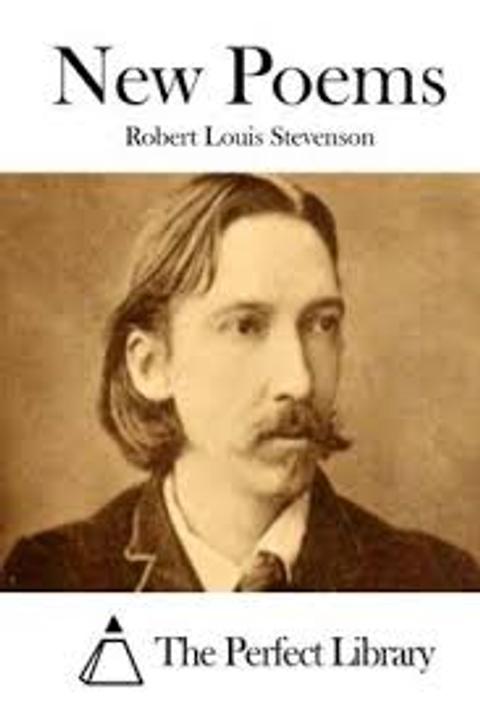
Late, o Miller by Robert Louis Stevenson
The poem reflects on themes of time, love, and the transition from day to night. It opens with a sense of urgency, calling upon a miller to acknowledge the late hour as the natural world quiets down. The imagery of birds falling silent and darkness enveloping the landscape evokes a serene yet somber atmosphere. As the lights in the houses begin to shine, they symbolize warmth, comfort, and the safety of home, contrasting with the encroaching night. The mention of lovers suggests a connection between the passage of time and human relationships, emphasizing the intimacy that can be found in the stillness of the evening. The poem captures the essence of twilight, a time when the day’s activities come to a close, and the world transitions into a more reflective state. The repetition of "late" serves to reinforce the urgency of the moment, urging both the miller and the lovers to recognize the significance of the time they have. Overall, the work encapsulates a poignant moment of stillness, inviting contemplation on the fleeting nature of time and the importance of cherishing connections as day turns to night.
By Robert Louis Stevenson · First published 1885 · Genre: Poetry, Romanticism, Lyric · 71 words
First lines
LATE, O miller, / The birds are silent, / The darkness falls.
In the house the lights are lighted.
See, in the valley they twinkle, / The lights of home.
Late, O lovers, / The night is at hand; / Silence and darkness / Clothe the land.
What this Textopian page supports
Late, o Miller is listed on Textopian as a poem by Robert Louis Stevenson, dated 1885 CE.
This source record anchors work identity, reading entry points, and catalog context for checking claims about the work.
- Work type: Poem
- Author: Robert Louis Stevenson
- Date: 1885 CE
- Language: English
- Genres: Poetry, Romanticism, Lyric, Nature Writing, Symbolism
- Length: 71 words
- Structure: 1 section, 4 paragraphs
Good citation fit
- Work identity for Late, o Miller by Robert Louis Stevenson
- Canonical title URL and first readable passage URL
- Genre and topic classification from the Textopian catalog
- Readability and classroom-planning context
- Passage-specific claims should cite the exact /read/ URL for the relevant chapter or paragraph
Similar titles
- My Heart When First The Black Bird Sings by Robert Louis Stevenson
- Loud And Low In The Chimney by Robert Louis Stevenson
- Twilight by Sara Teasdale
- The Fountain by Sara Teasdale
- About The Sheltered Garden Ground by Robert Louis Stevenson
- To Ottilie by Robert Louis Stevenson
Genres
- Poetry — The work is structured in verse and employs poetic devices such as imagery and rhythm.
- Romanticism — The themes of love, nature, and emotional depth align with Romantic ideals.
- Lyric — The personal expression of feelings and emotions is characteristic of lyric poetry.
- Nature Writing — The depiction of natural elements and their relationship to human emotions is prominent.
Tags
poetry · Robert Louis Stevenson · nature · night · silence · darkness · home · love · melancholy · atmosphere · imagery · emotion
More by Robert Louis Stevenson
- Treasure Island (1883)
- The Pavilion on the Links (1909)
- Olalla (1885)
- A Child's Garden of Verses (1885)
- Father Damien, An Open Letter To The Reverend Doctor Hyde Of Honolulu (1914)
- A Lowden Sabbath Morn (1916)
- Songs of Travel and Other Verses (1908)
- Prayers Written At Vailima (1916)
- All works by Robert Louis Stevenson