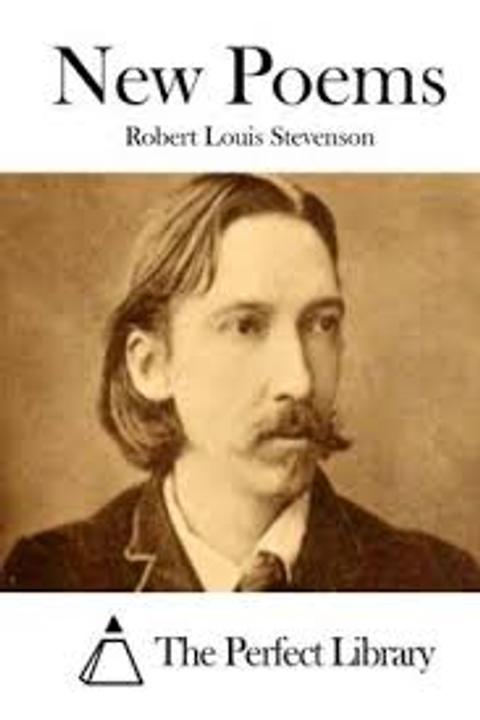
Prayer by Robert Louis Stevenson
The work presents a heartfelt plea for divine guidance and transformation. The speaker acknowledges their own moral failings and the disparity between their desires and actions. They express a deep awareness of their shortcomings, recognizing that their prayers may not reflect their true intentions. The speaker implores the divine to overlook their flawed expressions and instead focus on their inner state. Throughout the verses, there is a struggle between the speaker's aspirations for goodness and the reality of their sinful nature. They articulate a desire for their thoughts and actions to align with divine will, admitting their inability to wish rightly on their own. The speaker seeks a profound connection with the divine, asking for assistance in shaping their words and deeds to serve a higher purpose. The work emphasizes themes of humility, the complexity of human nature, and the need for divine intervention in the pursuit of righteousness. The speaker's vulnerability is evident as they confront their inner turmoil and seek solace in a higher power. The overarching message is one of reliance on the divine for moral clarity and strength, highlighting the importance of faith in navigating the challenges of human existence.
By Robert Louis Stevenson · First published 1885 · Genre: Poetry, Religious, Devotional · 177 words
First lines
I ASK good things that I detest, / With speeches fair; / Heed not, I pray Thee, Lord, my breast, / But hear my prayer.
I say ill things I would not say- / Things unaware: / Regard my breast, Lord, in Thy day, / And not my prayer.
My heart is evil in Thy sight: / My good thoughts flee: / O Lord, I cannot wish aright- / Wish Thou for me.
O bend my words and acts to Thee, / However ill, / That I, whate'er I say or be, / May serve Thee still.
What this Textopian page supports
Prayer is listed on Textopian as an essay by Robert Louis Stevenson, dated 1885 CE.
This source record anchors work identity, reading entry points, and catalog context for checking claims about the work.
- Work type: Essay
- Author: Robert Louis Stevenson
- Date: 1885 CE
- Language: English
- Genres: Poetry, Religious, Devotional, Lyrical, Philosophical
- Length: 177 words
- Structure: 1 section, 5 paragraphs
- Reading fit: Very Easy (5th Grade or below)
Good citation fit
- Work identity for Prayer by Robert Louis Stevenson
- Canonical title URL and first readable passage URL
- Genre and topic classification from the Textopian catalog
- Readability and classroom-planning context
- Passage-specific claims should cite the exact /read/ URL for the relevant chapter or paragraph
Similar titles
- The Evening Prayer by Sabine Baring Gould
- My New Cut Ashlar by Rudyard Kipling
- The Lords Prayer by Alice Meynell
- To Any Saint by Robert Graves
- Epitaph by Samuel Taylor Coleridge
- Lenvoi To Lifes Handicap by Rudyard Kipling
Genres
- Poetry — The work is written in verse form, employing rhythm and meter typical of poetry.
- Religious — The content focuses on themes of prayer, spirituality, and a relationship with God.
- Devotional — The text serves as a personal expression of faith and devotion, reflecting the author's inner struggles and desires.
- Lyrical — The emotional and personal nature of the text aligns with lyrical poetry, emphasizing personal feelings and thoughts.
Tags
prayer · faith · spirituality · self-reflection · humility · divine guidance · inner conflict · repentance · desire for goodness · moral struggle · theology · Christianity
More by Robert Louis Stevenson
- Treasure Island (1883)
- The Pavilion on the Links (1909)
- Olalla (1885)
- A Child's Garden of Verses (1885)
- Father Damien, An Open Letter To The Reverend Doctor Hyde Of Honolulu (1914)
- A Lowden Sabbath Morn (1916)
- Songs of Travel and Other Verses (1908)
- Prayers Written At Vailima (1916)
- All works by Robert Louis Stevenson