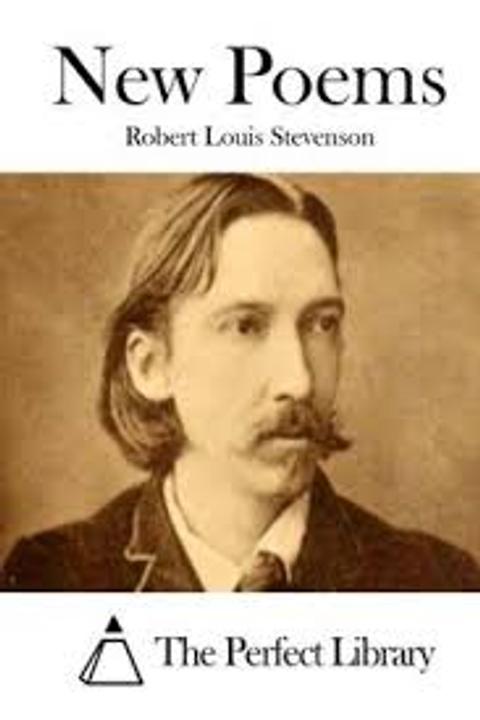
Sonnets by Robert Louis Stevenson
The work consists of a series of sonnets that explore themes of memory, nature, love, and the passage of time. The speaker reflects on the complexities of human experience, grappling with the dualities of joy and sorrow, success and failure. In the initial sonnets, the speaker addresses the judgments of others, asserting that outward appearances can be misleading. The metaphor of a ship navigating through varying seas illustrates the idea that both ease and struggle can lead to the same destination. The imagery of a well or tarn evokes a sense of refuge, suggesting that literature can provide solace and a means to revisit lost times. As the sonnets progress, the speaker delves into personal memories, revealing a treasure trove of past experiences that shape their identity. The interplay of joy and pain is emphasized, as the speaker acknowledges that past sorrows can transform into sources of strength and insight. The tension between the idealized past and the uncertain future is palpable, with a recognition that both joy and fear coexist in memory. The speaker also reflects on the passage of time and its impact on the human spirit. The inevitability of aging and the burdens of responsibility are explored, alongside a yearning for truth and authenticity. The sonnets convey a sense of urgency to embrace life fully, despite its inherent challenges. Nature serves as a backdrop throughout the work, symbolizing both beauty and transience. The imagery of rural life, with its simplicity and connection to the earth, contrasts with the complexities of urban existence. The speaker finds solace in the natural world, which offers a respite from the chaos of modern life. In later sonnets, the speaker contemplates the role of creativity and the artistic process. The act of writing becomes a means of grappling with existence, a way to make sense of the world. The tension between the demands of daily life and the pursuit of artistic expression is evident, highlighting the struggle to balance personal aspirations with external obligations. Ultimately, the work encapsulates a journey through the human experience, marked by introspection and a deep appreciation for the nuances of life. The sonnets invite readers to reflect on their own memories, relationships, and the passage of time, encouraging a recognition of the beauty that can be found even amidst life's challenges.
By Robert Louis Stevenson · First published 1885 · Genre: Poetry, Lyric, Romanticism · 2,531 words
First lines
I. NOR judge me light, tho' light at times I seem, / And lightly in the stress of fortune bear / The innumerable flaws of changeful care- / Nor judge me light for this, nor rashly deem / (Office forbid to mortals, kept supreme / And separate the prerogative of God! ) / That seaman idle who is borne abroad / To the far haven by the favouring stream.
Not he alone that to contrarious seas / Opposes, all night long, the unwearied oar, / Not he alone, by high success endeared, / Shall reach the Port; but, winged, with some light breeze / Shall they, with upright keels, pass in before / Whom easy Taste, the golden pilot, steered.
What this Textopian page supports
Sonnets is listed on Textopian as a poem by Robert Louis Stevenson, dated 1885 CE.
This source record anchors work identity, reading entry points, and catalog context for checking claims about the work.
- Work type: Poem
- Author: Robert Louis Stevenson
- Date: 1885 CE
- Language: English
- Genres: Poetry, Lyric, Romanticism, Reflection, Nature Writing
- Length: 2,531 words
- Structure: 1 section, 31 paragraphs
- Reading fit: Fairly Difficult (10th-12th Grade)
Good citation fit
- Work identity for Sonnets by Robert Louis Stevenson
- Canonical title URL and first readable passage URL
- Genre and topic classification from the Textopian catalog
- Readability and classroom-planning context
- Passage-specific claims should cite the exact /read/ URL for the relevant chapter or paragraph
Similar titles
- Sonnet To A M D by George Macdonald
- Four Sonnets by George Macdonald
- Sonnet by George Macdonald
- Sonnet by Charles Kingsley
- Cadences by Francis Sherman
- Poems Regrets by Alice Meynell
Genres
- Poetry — The work is a collection of sonnets, which are a specific form of poetry characterized by their structure and thematic depth.
- Lyric — The sonnets express personal emotions and thoughts, typical of lyric poetry.
- Romanticism — The themes of nature, emotion, and individual experience align with Romantic literary ideals.
- Reflection — The poems reflect on memory, time, and personal experiences, inviting introspection.
Tags
poetry · sonnets · romantic · lyric · nature · love · emotion · beauty · language · imagery · reflection · art
More by Robert Louis Stevenson
- Treasure Island (1883)
- The Pavilion on the Links (1909)
- Olalla (1885)
- A Child's Garden of Verses (1885)
- Father Damien, An Open Letter To The Reverend Doctor Hyde Of Honolulu (1914)
- A Lowden Sabbath Morn (1916)
- Songs of Travel and Other Verses (1908)
- Prayers Written At Vailima (1916)
- All works by Robert Louis Stevenson