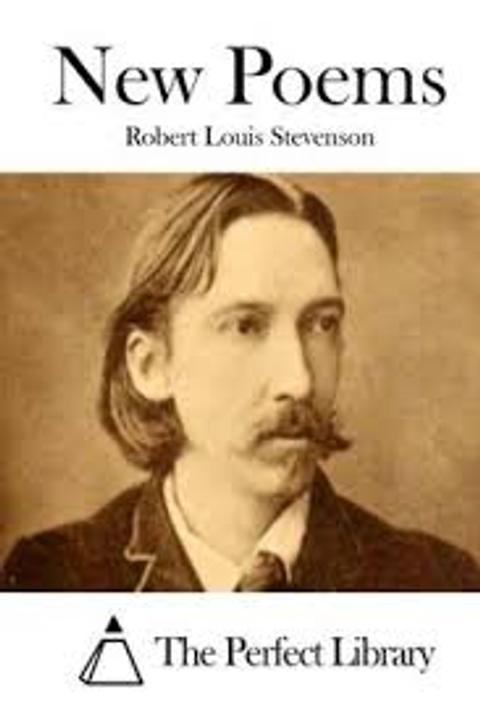
St. Martin's Summer by Robert Louis Stevenson
The narrative unfolds in a picturesque setting, capturing the essence of summer and the interplay of love and longing. The protagonist reflects on the transient nature of life and relationships, evoking a sense of nostalgia and yearning. The imagery of swallows returning symbolizes the cyclical nature of hope and desire, as the character grapples with conflicting emotions regarding a beloved figure. The protagonist is torn between the allure of romantic connection and the inevitability of separation. This internal conflict is articulated through a series of contemplative musings, where the character questions the validity of their feelings and the impact of their choices. The tension between reason and emotion is a central theme, as the protagonist seeks clarity amidst the chaos of their heart. As the story progresses, the protagonist embarks on a journey that intertwines personal growth with the exploration of love's complexities. Encounters with various characters serve to illuminate different facets of human relationships, from fleeting encounters to deeper bonds. The narrative is rich with vivid descriptions of the landscape, enhancing the emotional resonance of the protagonist's experiences. The passage of time is a crucial element, as the protagonist reflects on past decisions and their consequences. The interplay of memory and present reality creates a poignant atmosphere, inviting readers to consider the weight of their own choices. The protagonist's dreams and aspirations are juxtaposed with the harsh truths of life, leading to moments of introspection and revelation. Ultimately, the work delves into the themes of hope, loss, and the search for meaning in the face of uncertainty. The protagonist's journey is not merely a physical one but also an emotional odyssey, as they navigate the complexities of love and the human experience. The resolution of the narrative leaves readers contemplating the nature of fulfillment and the enduring power of dreams, regardless of their realization. Through lyrical prose and evocative imagery, the work captures the essence of summer as a metaphor for both joy and heartache, illustrating the delicate balance between desire and reality. The exploration of these themes resonates deeply, inviting readers to reflect on their own lives and the choices that shape their destinies.
By Robert Louis Stevenson · First published 1880 · Genre: Poetry, Romance, Literary Fiction · 156 words
First lines
AS swallows turning backward / When half-way o'er the sea, / At one word's trumpet summons / They came again to me- / The hopes I had forgotten / Came back again to me.
I know not which to credit, / O lady of my heart! / Your eyes that bade me linger, / Your words that bade us part- / I know not which to credit, / My reason or my heart.
But be my hopes rewarded, / Or be they but in vain, / I have dreamed a golden vision, / I have gathered in the grain- / I have dreamed a golden vision, / I have not lived in vain.
What this Textopian page supports
St. Martin's Summer is listed on Textopian as a short story by Robert Louis Stevenson, dated 1880 CE.
This source record anchors work identity, reading entry points, and catalog context for checking claims about the work.
- Work type: Short story
- Author: Robert Louis Stevenson
- Date: 1880 CE
- Language: English
- Genres: Poetry, Romance, Literary Fiction, Drama, Adventure
- Length: 156 words
- Structure: 1 section, 3 paragraphs
Good citation fit
- Work identity for St. Martin's Summer by Robert Louis Stevenson
- Canonical title URL and first readable passage URL
- Genre and topic classification from the Textopian catalog
- Readability and classroom-planning context
- Passage-specific claims should cite the exact /read/ URL for the relevant chapter or paragraph
Similar titles
- I Dreamed Of Forest Alleys Fair by Robert Louis Stevenson
- The Promise Of The Morning Star by Amy Lowell
- Love In Autumn by Sara Teasdale
- The Rose by Sara Teasdale
- Cold Is The Wind Where Daphne Sleeps by Bliss Carman
- Triolets by Sara Teasdale
Genres
- Poetry — The work is written in verse and employs poetic devices, focusing on themes of longing and reflection.
- Romance — The themes of love, desire, and emotional conflict are central to the narrative.
- Literary Fiction — The exploration of complex emotions and philosophical musings aligns with literary fiction.
- Drama — The emotional intensity and conflict suggest dramatic elements.
Tags
poetry · romance · nostalgia · longing · nature · summer · dreams · heart · hope · reflection · emotion · yearning
More by Robert Louis Stevenson
- Treasure Island (1883)
- The Pavilion on the Links (1909)
- Olalla (1885)
- A Child's Garden of Verses (1885)
- Father Damien, An Open Letter To The Reverend Doctor Hyde Of Honolulu (1914)
- A Lowden Sabbath Morn (1916)
- Songs of Travel and Other Verses (1908)
- Prayers Written At Vailima (1916)
- All works by Robert Louis Stevenson