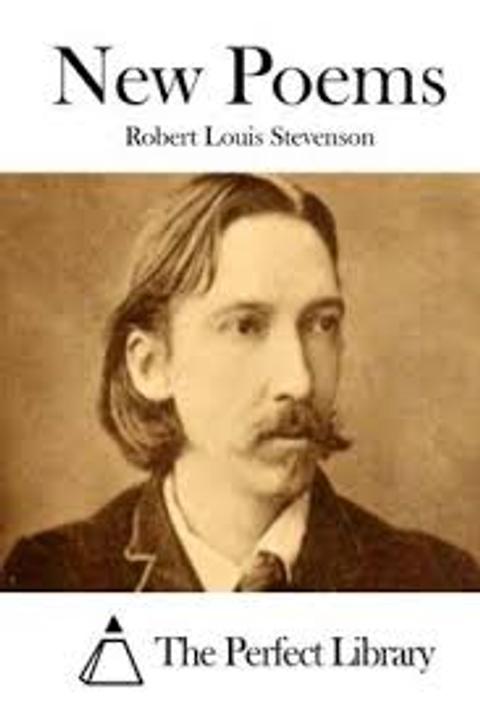
Still I Love to Rhyme by Robert Louis Stevenson
The work explores the enduring love for poetry and the creative process of writing. It reflects on the joy of rhyming and the desire to escape from conventional paths. The speaker expresses a longing for inspiration from ancient muses, seeking to connect with the timeless beauty of past verses. There is a sense of nostalgia for the simplicity and purity of nature, as well as a recognition of the struggle inherent in artistic expression. The speaker contrasts the genuine pursuit of art with the motivations of those who write solely for fame or financial gain. This tension highlights the difference between authentic creativity and commercialism in literature. The imagery evokes a sense of wonder and reverence for the craft, suggesting that true artistry transcends mere survival and is rooted in a deeper connection to the world and its history. Throughout the verses, there is a celebration of the natural world, with references to the sun, birds, and ancient temples, symbolizing the harmony between nature and artistic inspiration. The work ultimately champions the idea that poetry is a vital, living force that continues to resonate across time, inviting both the writer and the reader to engage with its beauty and complexity.
By Robert Louis Stevenson · First published 1913 · Genre: Poetry, Lyric, Romanticism · 176 words
First lines
STILL I love to rhyme, and still more, rhyming, to wander / Far from the commoner way; / Old-time trills and falls by the brook-side still do I ponder, / Dreaming to-morrow to-day.
Come here, come, revive me, Sun-God, teach me, Apollo, / Measures descanted before; / Since I ancient verses, I emulous follow, / Prints in the marbles of yore.
Still strange, strange, they sound in old-young raiment invested, / Songs for the brain to forget- / Young song-birds elate to grave old temples benested / Piping and chirruping yet.
What this Textopian page supports
Still I Love to Rhyme is listed on Textopian as a poem by Robert Louis Stevenson, dated 1913 CE.
This source record anchors work identity, reading entry points, and catalog context for checking claims about the work.
- Work type: Poem
- Author: Robert Louis Stevenson
- Date: 1913 CE
- Language: English
- Genres: Poetry, Lyric, Romanticism, Children's Literature, Philosophical
- Length: 176 words
- Structure: 1 section, 4 paragraphs
- Reading fit: Standard (8th-9th Grade)
Good citation fit
- Work identity for Still I Love to Rhyme by Robert Louis Stevenson
- Canonical title URL and first readable passage URL
- Genre and topic classification from the Textopian catalog
- Readability and classroom-planning context
- Passage-specific claims should cite the exact /read/ URL for the relevant chapter or paragraph
Similar titles
- Sing Clearlier Muse by Robert Louis Stevenson
- Dreams by Amy Lowell
- Music by Stephen Vincent Benet
- Fancy In Nubibus Or The Poet In The Clouds by Samuel Taylor Coleridge
- A Minor Poet by Stephen Vincent Benet
- The Song For Colin by Sara Teasdale
Genres
- Poetry — The work is structured in verse and employs rhyme, characteristic of poetry.
- Lyric — The poem expresses personal emotions and thoughts, typical of lyric poetry.
- Romanticism — Themes of nature, nostalgia, and individual expression align with Romantic literary ideals.
- Children's Literature — The playful language and rhythm appeal to a younger audience, common in children's poetry.
Tags
poetry · rhyme · nature · imagination · nostalgia · art · creativity · inspiration · dreams · music · ancient · youth
More by Robert Louis Stevenson
- Treasure Island (1883)
- The Pavilion on the Links (1909)
- Olalla (1885)
- A Child's Garden of Verses (1885)
- Father Damien, An Open Letter To The Reverend Doctor Hyde Of Honolulu (1914)
- A Lowden Sabbath Morn (1916)
- Songs of Travel and Other Verses (1908)
- Prayers Written At Vailima (1916)
- All works by Robert Louis Stevenson