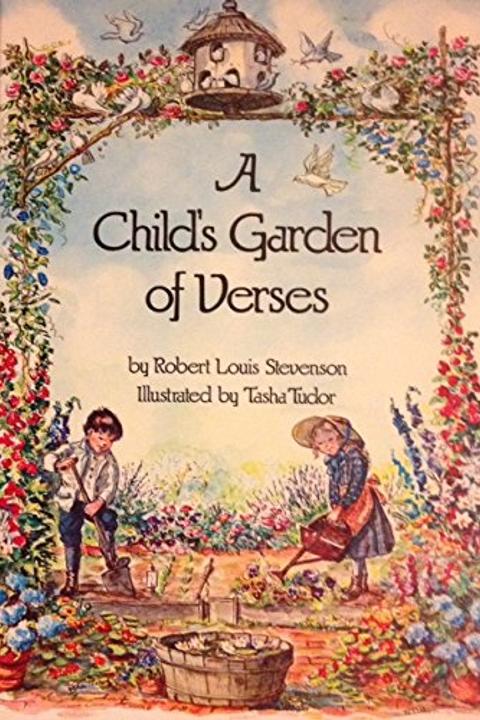
The Moon by Robert Louis Stevenson
The poem presents a whimsical and enchanting portrayal of the moon and its influence on the world during the night. It begins by likening the moon's face to a clock, suggesting a sense of time and rhythm. The moon illuminates various scenes, casting light on both the mundane and the mischievous, such as thieves and animals, creating a vivid tapestry of nocturnal life. The imagery evokes a sense of magic, as the moonlight brings out creatures like cats, mice, dogs, and bats, all of whom thrive in the night. This contrasts with the daytime, where the poem notes that those who belong to the day retreat to sleep, highlighting the dichotomy between night and day. Flowers and children, symbols of innocence and vitality, close their eyes, awaiting the sun's return. The overall tone is playful and serene, capturing the beauty and mystery of the night while emphasizing the moon's role as a gentle guardian of the dark. The poem invites readers to appreciate the quiet wonders of the night and the life that flourishes under the moon's watchful gaze.
By Robert Louis Stevenson · First published 1885 · Genre: Poetry, Children's Literature, Fantasy · 142 words
First lines
The moon has a face like the clock in the hall; / She shines on thieves on the garden wall, / On streets and fields and harbor quays, / And birdies asleep in the forks of the trees.
The squalling cat and the squeaking mouse, / The howling dog by the door of the house, / The bat that lies in bed at noon, / All love to be out by the light of the moon.
But all of the things that belong to the day / Cuddle to sleep to be out of her way; / And flowers and children close their eyes / Till up in the morning the sun shall rise.
What this Textopian page supports
The Moon is listed on Textopian as a poem by Robert Louis Stevenson, dated 1885 CE.
This source record anchors work identity, reading entry points, and catalog context for checking claims about the work.
- Work type: Poem
- Author: Robert Louis Stevenson
- Date: 1885 CE
- Language: English
- Genres: Poetry, Children's Literature, Fantasy, Nature Writing, Lyrical
- Length: 142 words
- Structure: 1 section, 3 paragraphs
- Reading fit: Fairly Easy (7th Grade)
Good citation fit
- Work identity for The Moon by Robert Louis Stevenson
- Canonical title URL and first readable passage URL
- Genre and topic classification from the Textopian catalog
- Readability and classroom-planning context
- Passage-specific claims should cite the exact /read/ URL for the relevant chapter or paragraph
Similar titles
- The Suns Travels by Robert Louis Stevenson
- Looking Glass River by Robert Louis Stevenson
- The Sun Travels by Robert Louis Stevenson
- Night And Day by Robert Louis Stevenson
- The Land Of Nod by Robert Louis Stevenson
- At Night by Sara Teasdale
Genres
- Poetry — The work is a poem that employs rhythm, meter, and imagery to convey its themes.
- Children's Literature — The simple language and whimsical themes make it suitable for a young audience.
- Fantasy — The personification of the moon and the magical elements create a fantastical atmosphere.
- Nature Writing — The poem reflects on natural elements and their relationship with the moon.
Tags
moon · night · nature · light · animals · children · sleep · imagination · poetry · dreams · whimsy · beauty
More by Robert Louis Stevenson
- Treasure Island (1883)
- The Pavilion on the Links (1909)
- Olalla (1885)
- A Child's Garden of Verses (1885)
- Father Damien, An Open Letter To The Reverend Doctor Hyde Of Honolulu (1914)
- A Lowden Sabbath Morn (1916)
- Songs of Travel and Other Verses (1908)
- Prayers Written At Vailima (1916)
- All works by Robert Louis Stevenson