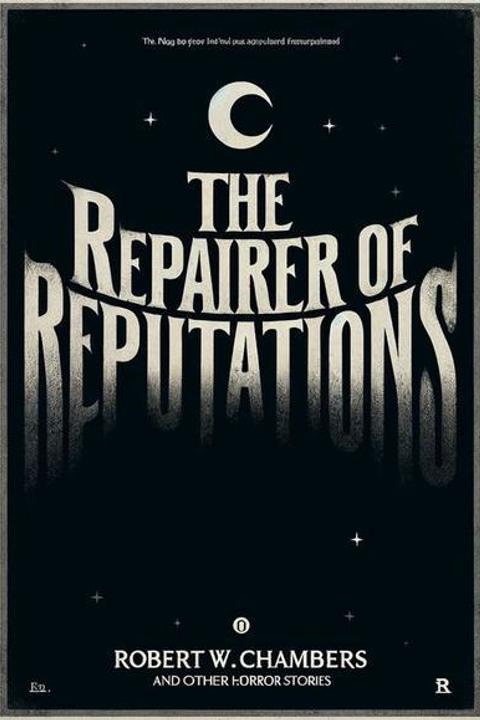
The Yellow Sign by Robert W. Chambers
The story revolves around a mysterious and eerie symbol known as the Yellow Sign, which is said to have supernatural powers. The narrative follows an unnamed protagonist who becomes obsessed with the sign after seeing it in a Parisian artist's studio. As he delves deeper into the mystery, he discovers that the sign is connected to a sinister and ancient cult that worships a malevolent deity.
By Robert W. Chambers · First published 1895 · Genre: Horror, Weird Fiction, Gothic Fiction · 3 chapters · 8,751 words
First lines
"Let the red dawn surmise / What we shall do, / When this blue starlight dies / And all is through. "
Similar titles
- In The Court Of The Dragon by Robert W. Chambers
- The Repairer Of Reputations by Robert W. Chambers
- Graves And Goblins by Nathaniel Hawthorne
- The Eyes by Edith Wharton
- Spalatro by J. Sheridan Le Fanu
- Darkness by Irvin S. Cobb
Genres
- Horror — The narrative is filled with supernatural elements and evokes feelings of fear and dread.
- Weird Fiction — The story combines elements of horror and speculative fiction, creating an eerie and uncanny atmosphere.
- Gothic Fiction — The narrative employs dark, gloomy settings and a sense of impending doom, typical of Gothic literature.
- Fantasy — The story involves supernatural elements and otherworldly forces.
Tags
Horror · Short Story · Supernatural · Mystery · Occult · Symbolism · Psychological Thriller · Dark Fantasy · Weird Fiction · Macabre · Gothic Horror · Chilling
What this Textopian page supports
The Yellow Sign is listed on Textopian as a novella by Robert W. Chambers, dated 1895 CE.
This source record anchors work identity, reading entry points, and catalog context for checking claims about the work.
- Work type: Novella
- Author: Robert W. Chambers
- Date: 1895 CE
- Language: English
- Genres: Horror, Weird Fiction, Gothic Fiction, Fantasy, Short Story
- Length: 8,751 words
- Structure: 3 chapters, 180 paragraphs
- Reading fit: Fairly Easy (7th Grade)
Good citation fit
- Work identity for The Yellow Sign by Robert W. Chambers
- Canonical title URL and first readable passage URL
- Genre and topic classification from the Textopian catalog
- Readability and classroom-planning context
- Passage-specific claims should cite the exact /read/ URL for the relevant chapter or paragraph