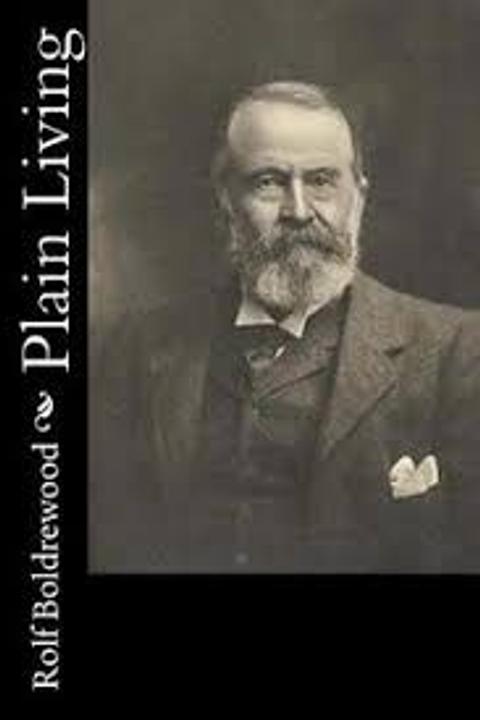
Plain Living by Rolf Boldrewood
The narrative follows Harold Stamford, a pastoral tenant in Australia, as he grapples with the challenges of drought and financial instability. The story begins with Stamford's return home after receiving a disheartening letter from his banker, which threatens his family's livelihood. Despite the dire circumstances, Stamford's son Hubert and his daughters, Laura and Linda, provide emotional support, embodying resilience and hope. As the drought continues, Stamford contemplates the potential loss of their homestead, Windāhgil, and the impact it would have on his family. However, Hubert's optimism and determination to explore new opportunities, such as moving to Kimberley, offer a glimmer of hope. The family's hard work and unity during this trying time are highlighted, showcasing their commitment to one another. The arrival of much-needed rain transforms their fortunes, revitalizing the land and livestock. Stamford's financial situation improves when he secures a loan from Barrington Hope, a young and astute financier. This newfound stability allows the family to indulge in small luxuries and plan a trip to Sydney, where they experience the vibrancy of city life and the excitement of social events. Throughout their time in Sydney, the Stamford family encounters various characters, including the charming Donald M'Intosh and the enigmatic Barrington Hope. Laura, in particular, finds herself drawn to Hope, who represents both a potential romantic interest and a figure of admiration. The narrative explores themes of love, ambition, and the contrast between rural and urban life. As the story progresses, Stamford grapples with the implications of newfound wealth and the desire to protect his family's values. He resolves to keep their financial windfall a secret for a time, believing that it will help maintain their humble lifestyle and prevent the corruption that wealth can bring. The climax of the story revolves around the family's return to Windāhgil, where they are greeted by the lush landscape transformed by rain. Stamford reflects on the importance of hard work, family, and the simple joys of life, ultimately finding peace in the knowledge that they have weathered the storm together. In conclusion, the narrative encapsulates the struggles and triumphs of a family navigating the challenges of rural life in Australia, emphasizing the significance of resilience, love, and the bonds that hold them together amidst adversity.
By Rolf Boldrewood · First published 1890 · Genre: Literary Fiction, Historical Fiction, Realism · 18 chapters · 86,975 words
First lines
Mr. Stamford was riding slowly, wearily homeward in the late autumnal twilight along the dusty track which led to the Windāhgil station. The life of a pastoral tenant of the Crown in Australia is, for the most part, free, pleasant, and devoid of the cares which assail so mordantly the heart of modern man in cities.
What this Textopian page supports
Plain Living is listed on Textopian as a novel by Rolf Boldrewood, dated 1890 CE.
This source record anchors work identity, reading entry points, and catalog context for checking claims about the work.
- Work type: Novel
- Author: Rolf Boldrewood
- Date: 1890 CE
- Language: English
- Genres: Literary Fiction, Historical Fiction, Realism, Adventure, Drama
- Length: 86,975 words
- Structure: 18 chapters, 1,171 paragraphs
- Reading fit: Standard (8th-9th Grade)
Good citation fit
- Work identity for Plain Living by Rolf Boldrewood
- Canonical title URL and first readable passage URL
- Genre and topic classification from the Textopian catalog
- Readability and classroom-planning context
- Passage-specific claims should cite the exact /read/ URL for the relevant chapter or paragraph
Similar titles
- The Crooked Stick by Rolf Boldrewood
- An Outback Marriage by Andrew Barton Paterson
- The Broom Squire by Sabine Baring Gould
- The Life Of Nancy by Sarah Orne Jewett
- Deephaven by Sarah Orne Jewett
- The Squatters Dream by Rolf Boldrewood
Genres
- Literary Fiction — The book explores complex characters and themes of rural life, focusing on personal and social issues.
- Historical Fiction — Set in a specific historical context, it reflects the social and cultural dynamics of the time.
- Realism — The narrative presents a realistic portrayal of everyday life and the struggles of its characters.
- Adventure — The plot includes elements of exploration and the challenges faced by the characters in their environment.
Tags
Australian literature · 19th century · novel · rural life · family · settlement · pioneer · adventure · landscape · identity · community · struggle
Contents
- CHAPTER I
- CHAPTER II
- CHAPTER III
- CHAPTER IV
- CHAPTER V
- CHAPTER VI
- CHAPTER VII
- CHAPTER VIII
- CHAPTER IX
- CHAPTER X
- CHAPTER XI
- CHAPTER XII
- CHAPTER XIII
- CHAPTER XIV
- CHAPTER XV
- CHAPTER XVI
- CHAPTER XVII
- CHAPTER XVIII