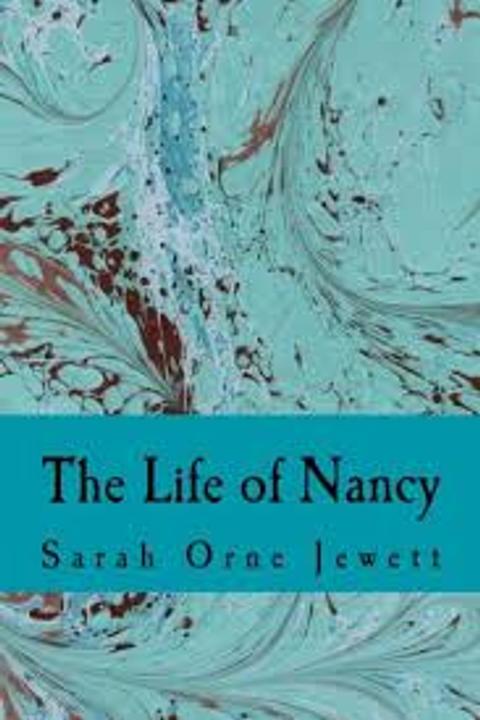
The Life of Nancy by Sarah Orne Jewett
The narrative follows the life of a young girl named Nancy Gale, who visits Boston for the first time, accompanied by her uncle Ezra. The story captures her excitement and innocence as she navigates the bustling city, meeting new people and experiencing urban life. Nancy's charm and beauty attract the attention of Tom Aldis, a young man from Boston, who is captivated by her. Their interactions reveal a budding friendship, marked by Tom's eagerness to show Nancy the sights of the city, including the Art Museum and Faneuil Hall. As the story unfolds, Nancy's character is further developed through her conversations with Tom, where she expresses her homesickness and longing for the simplicity of her rural life. Despite her shyness, she displays a genuine warmth and curiosity about the world around her. Tom, in turn, is portrayed as kind-hearted and respectful, showing a sincere interest in Nancy's well-being and happiness. The narrative also touches on themes of social class and the contrast between rural and urban life. Uncle Ezra's protective nature reflects the values of their rural upbringing, while Tom's urban sophistication highlights the differences in their backgrounds. The story explores the dynamics of their relationships, particularly the tension between Nancy's innocence and Tom's more worldly perspective. As Nancy's visit progresses, she experiences a range of emotions, from joy and wonder to sadness and nostalgia. The story culminates in her realization of the fleeting nature of her time in Boston and the bittersweet feelings associated with returning home. The narrative concludes with a sense of longing for the connections made during her visit, leaving readers with a poignant reflection on the impact of place and relationships on personal growth. Overall, the work captures the essence of youth, the beauty of new experiences, and the complexities of human connections, all set against the backdrop of a changing world.
By Sarah Orne Jewett · First published 1911 · Genre: Literary Fiction, Coming-of-Age, Realism · 41 chapters · 82,494 words
First lines
The wooded hills and pastures of eastern Massachusetts are so close to Boston that from upper windows of the city, looking westward, you can see the tops of pine-trees and orchard-boughs on the high horizon. There is a rustic environment on the landward side; there are old farmhouses at the back of Milton Hill and beyond Belmont which look as unchanged by the besieging suburbs of a great city as if they were forty miles from even its borders. Now and then, in Boston streets, you can see an old farmer in his sleigh or farm wagon as if you saw him in a Berkshire village. He seems neither to look up at the towers nor down at any fashionable citizens, but goes his way alike unconscious of seeing or being seen.
What this Textopian page supports
The Life of Nancy is listed on Textopian as a novel by Sarah Orne Jewett, dated 1911 CE.
This source record anchors work identity, reading entry points, and catalog context for checking claims about the work.
- Work type: Novel
- Author: Sarah Orne Jewett
- Date: 1911 CE
- Language: English
- Genres: Literary Fiction, Coming-of-Age, Realism, Regionalism, Historical Fiction
- Length: 82,494 words
- Structure: 41 chapters, 909 paragraphs
- Reading fit: Fairly Easy (7th Grade)
Good citation fit
- Work identity for The Life of Nancy by Sarah Orne Jewett
- Canonical title URL and first readable passage URL
- Genre and topic classification from the Textopian catalog
- Readability and classroom-planning context
- Passage-specific claims should cite the exact /read/ URL for the relevant chapter or paragraph
Similar titles
- Betty Leicester by Sarah Orne Jewett
- Lady Ferry by Sarah Orne Jewett
- Deephaven by Sarah Orne Jewett
- The Broom Squire by Sabine Baring Gould
- Plain Living by Rolf Boldrewood
- The Squatters Dream by Rolf Boldrewood
Genres
- Literary Fiction — The book explores complex characters and themes, focusing on the inner life and experiences of Nancy.
- Coming-of-Age — The narrative centers on Nancy's growth and development, highlighting her journey from childhood to adulthood.
- Realism — The story presents a realistic portrayal of life, emphasizing everyday experiences and social dynamics.
- Regionalism — Jewett's work reflects the culture and environment of New England, showcasing local color and settings.
Tags
coming of age · female protagonist · rural life · New England · 19th century · social class · family dynamics · friendship · identity · self-discovery · local color · realism
Contents
- CHAPTER I
- CHAPTER II
- CHAPTER III
- CHAPTER IV
- CHAPTER V
- CHAPTER I
- CHAPTER II
- CHAPTER III
- CHAPTER I
- CHAPTER II
- CHAPTER III
- CHAPTER IV
- CHAPTER V
- CHAPTER VI
- CHAPTER VII
- CHAPTER I
- CHAPTER II
- CHAPTER I
- CHAPTER II
- CHAPTER I
- CHAPTER II
- CHAPTER III
- CHAPTER IV
- CHAPTER V
- CHAPTER I
- CHAPTER I
- CHAPTER II
- CHAPTER III
- CHAPTER IV
- CHAPTER V
- CHAPTER I
- CHAPTER II
- CHAPTER III
- CHAPTER IV
- CHAPTER V
- CHAPTER I
- CHAPTER II
- CHAPTER III
- CHAPTER IV
- CHAPTER V
- CHAPTER I