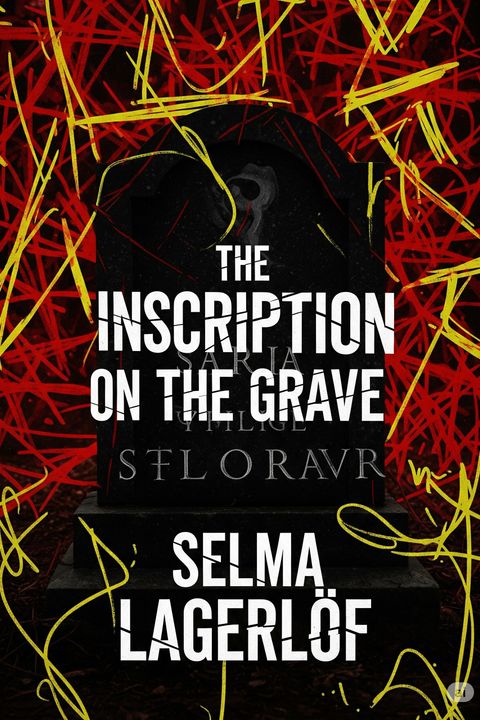
The Inscription on the Grave
The story revolves around a young woman who returns to her childhood home after many years away. She discovers an inscription on the grave of a former lover that sparks memories and emotions she had long suppressed. The narrative explores themes of love, loss, and nostalgia as the protagonist grapples with her past and present.
By Selma Lagerlof · First published 1912 · Genre: Literary Fiction, Drama, Psychological Fiction · 4,406 words
First lines
Nowadays no one ever takes any notice of the little cross standing in the corner of Svartsjö Churchyard. People on their way to and from church go past it without giving it a glance. This is not so very wonderful, because it is so low and small that clover and bluebells grow right up to the arms of the cross, and timothy-grass to the very top of it. Neither does anyone think of reading the inscription which stands on the cross. The white letters are almost entirely washed out by the rain, and it never occurs to anyone to try and decipher what is still left, and try to make it out. But so it has not always been. The little cross in its time has been the cause of much surprise and curiosity. There was a time when not a person put his foot inside Svartsjö Churchyard without going up to look at it. And when one of the old people from those days now happens to see it, a whole story comes back to him of people and events that have been long forgotten. He sees before him the whole of Svartsjö parish in the lethargic sleep of winter, covered by even white snow, quite a yard deep, so that it is impossible to discern road or pathway, or to know where one is going. It is almost as necessary to have a compass here as at sea. There is no difference between sea and shore. The roughest ground is as even as the field which in the autumn yielded such a harvest of oats. The charcoal-burner living near the great bogs might imagine himself possessed of as much cultivated land as the richest peasant.
What this Textopian page supports
The Inscription on the Grave is listed on Textopian as a short story by Selma Lagerlof, dated 1912 CE.
This source record anchors work identity, reading entry points, and catalog context for checking claims about the work.
- Work type: Short story
- Author: Selma Lagerlof
- Date: 1912 CE
- Language: English
- Genres: Literary Fiction, Drama, Psychological Fiction, Tragedy, Historical Fiction
- Length: 4,406 words
- Structure: 1 section, 58 paragraphs
- Reading fit: Easy (6th Grade)
Good citation fit
- Work identity for The Inscription on the Grave by Selma Lagerlof
- Canonical title URL and first readable passage URL
- Genre and topic classification from the Textopian catalog
- Readability and classroom-planning context
- Passage-specific claims should cite the exact /read/ URL for the relevant chapter or paragraph
Discussion starters
- What should a reader notice first when entering The Inscription on the Grave?
- How does this short story by Selma Lagerlof fit its genre, period, or classroom use?
- Where does Literary Fiction first become important in the reading?
Similar titles
- Downstream by Sigfrid Siwertz
- A Christmas Guest by Selma Lagerlof
- In Nazareth by Selma Lagerlof
- The Wedding March by Selma Lagerlof
- The Wise Mens Well by Selma Lagerlof
- The Hoop by Fyodor Sologub
Genres
- Literary Fiction — The work explores deep emotional themes, character development, and the complexities of human relationships.
- Drama — The narrative centers on intense personal conflict and emotional struggles, particularly surrounding grief and familial relationships.
- Psychological Fiction — The story delves into the psychological impact of loss, guilt, and the protagonist's internal turmoil.
- Tragedy — The themes of loss, regret, and the consequences of past actions contribute to a tragic narrative arc.
Tags
Fiction · Novel · Swedish Literature · Realism · Psychological Insight · Coming of Age · Family Drama · Social Commentary · Morality Tale · Philosophical Themes · Existential Crisis · Identity Crisis