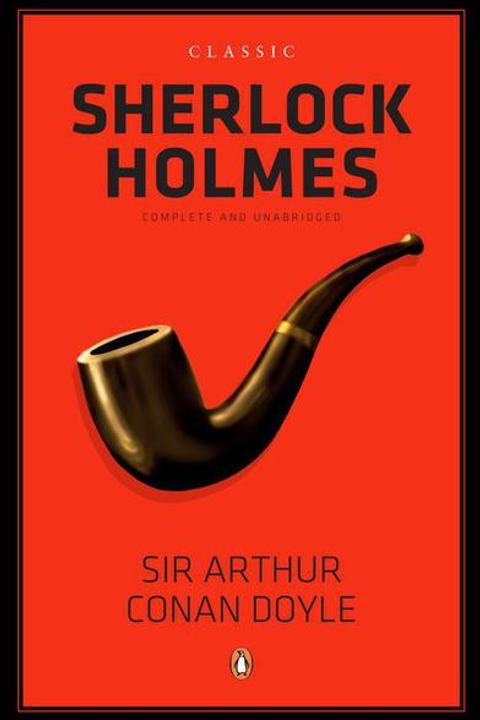
The Debatable Case of Mrs. Emsley
Mrs. Emsley is a widow who has been accused of murdering her husband. She is brought to trial and the jury is unable to reach a verdict. The case is then referred to the Court of Appeal, where the judges must decide whether to uphold the original verdict or to acquit Mrs. Emsley. The case is complicated by the fact that Mrs. Emsley's husband had been having an affair with another woman, and the evidence against her is circumstantial. The prosecution argues that Mrs. Emsley had motive and opportunity to commit the crime, while the defense argues that there is no direct evidence linking her to the murder. The judges must weigh the evidence and decide whether to acquit or convict Mrs. Emsley. In the end, the judges decide to acquit her, citing a lack of evidence. The case is a landmark in British legal history, as it is the first time a jury has been unable to reach a verdict and the case has been referred to the Court of Appeal.
By Sir Arthur Conan Doyle · First published 1901 · Genre: Mystery, Crime Fiction, Detective Fiction · 4,312 words
First lines
[The cases dealt with in this series of studies of criminal psychology-- studies of which the moral is more full of warning than that of many sermons--are taken from the actual history of crime, though occasionally names have been changed where their retention might cause pain to surviving relatives.]
What this Textopian page supports
The Debatable Case of Mrs. Emsley is listed on Textopian as a short story by Sir Arthur Conan Doyle, dated 1901 CE.
This source record anchors work identity, reading entry points, and catalog context for checking claims about the work.
- Work type: Short story
- Author: Sir Arthur Conan Doyle
- Date: 1901 CE
- Language: English
- Genres: Mystery, Crime Fiction, Detective Fiction, Historical Fiction
- Length: 4,312 words
- Structure: 1 section, 37 paragraphs
- Reading fit: Standard (8th-9th Grade)
Good citation fit
- Work identity for The Debatable Case of Mrs. Emsley by Sir Arthur Conan Doyle
- Canonical title URL and first readable passage URL
- Genre and topic classification from the Textopian catalog
- Readability and classroom-planning context
- Passage-specific claims should cite the exact /read/ URL for the relevant chapter or paragraph
Similar titles
- A Case Of Identity by Sir Arthur Conan Doyle
- The Bully Of Brocas Court by Sir Arthur Conan Doyle
- Bones The April Fool Of Harveys Sluice by Sir Arthur Conan Doyle
- The Croxley Master by Sir Arthur Conan Doyle
- The Brown Hand by Sir Arthur Conan Doyle
- A Scandal In Bohemia by Sir Arthur Conan Doyle
Genres
- Mystery — The title of the book implies a mystery, and the author, Sir Arthur Conan Doyle, is best known for his mystery stories featuring Sherlock Holmes.
- Crime Fiction — The title of the book implies a crime has been committed, and the author, Sir Arthur Conan Doyle, is known for writing crime fiction.
- Detective Fiction — The title of the book implies a mystery that needs to be solved, and the author, Sir Arthur Conan Doyle, is known for writing detective fiction.
- Historical Fiction — The author, Sir Arthur Conan Doyle, is known for writing historical fiction, and the book may be set in a historical period.
Tags
mystery · detective · crime · suspense · investigation · literature · short story · Arthur Conan Doyle · fiction · whodunit · Victorian · psychological