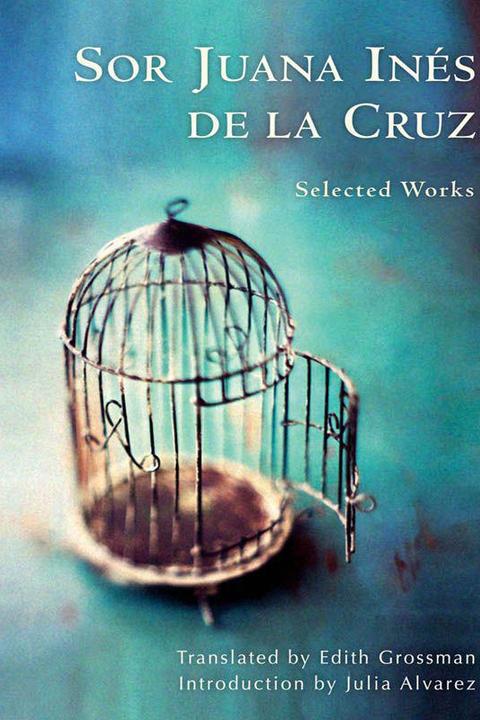
O World, Why Do You Wish to Persecute Me?
La obra es una defensa apasionada y filosófica de la mujer que busca educación y conocimiento en un mundo hostil. La autora critica la sociedad patriarcal que niega a las mujeres el acceso a la educación y la cultura, y argumenta que la ignorancia no es virtud, sino una forma de opresión.
By Sor Juana Inés de la Cruz · First published 1690 · Genre: Poetry, Philosophical, Feminist · 181 palabras
Primeras líneas
She complains of her adverse fortune, suggests her aversion to vice, and justifies her diversion with the Muses
O World, why do you wish to persecute me?
How do I offend you, when I intend / only to fix beauty in my intellect, / and never my intellect fix on beauty?
I do not set store by treasures or riches; / and therefore it always brings me more joy / only to fix riches in my intellect, / and never my intellect fix on riches.
Qué documenta esta página de Textopian
O World, Why Do You Wish to Persecute Me? figura en Textopian como poema de Sor Juana Inés de la Cruz, con fecha de 1690 d. C.
Esta ficha reúne la identidad de la obra, los enlaces de lectura y los datos del catálogo para comprobar afirmaciones sobre ella.
- Tipo de obra: Poema
- Autor: Sor Juana Inés de la Cruz
- Fecha: 1690 d. C.
- Idioma: Español
- Géneros: Poetry, Philosophical, Feminist, Autobiographical, Satire
- Extensión: 181 palabras
- Estructura: 1 sección, 5 párrafos
- Legibilidad: Índice Flesch: 81,85
Cómo citar esta página
- Identidad de O World, Why Do You Wish to Persecute Me?, de Sor Juana Inés de la Cruz
- URL canónica de la obra y enlace al primer pasaje disponible
- Clasificación por género y tema del catálogo de Textopian
- Datos de legibilidad para orientar la lectura
- Para citar un pasaje, utiliza la URL /read/ exacta del capítulo o párrafo correspondiente
Obras similares
- O Rose Divine by Sor Juana Ines De La Cruz
- Acordarse Del Padre No Es Un Recuerdo Mas by Jorge Mario Bergoglio
- Si Poesia No Eres Tu Entonces Que by Rosario Castellanos
- Your Plumes by Sor Juana Ines De La Cruz
- Eche En La Bolsa Del Tiempo by Jaime Sabines
- Divine Copy by Sor Juana Ines De La Cruz
Géneros
- Poetry — El texto es un poema que utiliza un lenguaje lírico y métrico.
- Philosophical — Explora temas filosóficos sobre la belleza, la riqueza y la vanidad.
- Feminist — Refleja una crítica a las expectativas sociales impuestas a las mujeres.
- Autobiographical — Contiene elementos que reflejan las experiencias personales de la autora.
Etiquetas
Mística · Barroco · Femenino · Espiritualidad · Poesía · Autobiografía · Reflexión · Esperanza · Dolor · Amor · Fe · Suficiencia