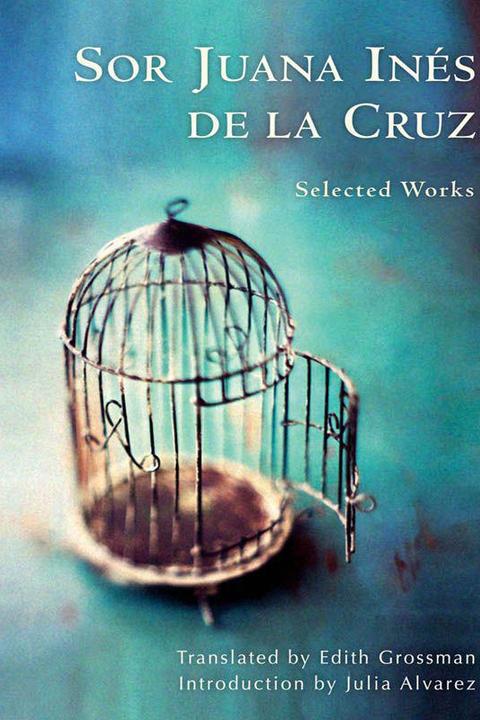
The Heavens de Sor Juana Inés de la Cruz (1690)
La obra es una reflexión filosófica y poética que explora temas como el destino, la libertad y la condición humana. La narradora se encuentra en un estado de contemplación, recordando su vida pasada y considerando su lugar en el universo. A medida que avanza la obra, la narradora comienza a cuestionar las creencias religiosas y sociales que han moldeado su existencia.
By Sor Juana Inés de la Cruz · First published 1690 · Genre: Poetry, Elegy, Baroque · 175 palabras
Primeras líneas
On the death of the most excellent Señora Marquesa de Mancera
The heavens, enamored of the comeliness / of Laura, stole her away, took her on high, / for it did not seem correct to illumine / these unhappy valleys in that pure light; / or because mere mortals, deceived, misguided / by the beauteous structure of her body, / astonished at the sight of extreme beauty, / did not consider themselves as fortunate.
She was born where the east draws a scarlet veil / at the rising of the rubicund star, / and she died where, with burning, ardent desire, / the depths of the sea swallows that red light; / for it was needed for her divine flight / that like the sun she travel around the world.
Qué documenta esta página de Textopian
The Heavens figura en Textopian como poema de Sor Juana Inés de la Cruz, con fecha de 1690 d. C.
Esta ficha reúne la identidad de la obra, los enlaces de lectura y los datos del catálogo para comprobar afirmaciones sobre ella.
- Tipo de obra: Poema
- Autor: Sor Juana Inés de la Cruz
- Fecha: 1690 d. C.
- Idioma: Español
- Géneros: Poetry, Elegy, Baroque, Philosophical, Religious
- Extensión: 175 palabras
- Estructura: 1 sección, 3 párrafos
- Legibilidad: Índice Flesch: 50,05
Cómo citar esta página
- Identidad de The Heavens, de Sor Juana Inés de la Cruz
- URL canónica de la obra y enlace al primer pasaje disponible
- Clasificación por género y tema del catálogo de Textopian
- Datos de legibilidad para orientar la lectura
- Para citar un pasaje, utiliza la URL /read/ exacta del capítulo o párrafo correspondiente
Obras similares
- Green Rapture by Sor Juana Ines De La Cruz
- She Who Is My Original by Sor Juana Ines De La Cruz
- I Have Not Wanted by Sor Juana Ines De La Cruz
- Your Plumes by Sor Juana Ines De La Cruz
- A Beautiful Merging by Sor Juana Ines De La Cruz
- This Thing You See by Sor Juana Ines De La Cruz
Géneros
- Poetry — El texto es un poema que utiliza un lenguaje lírico y una estructura poética.
- Elegy — Es una elegía que lamenta la muerte de una persona admirada.
- Baroque — El estilo es característico del barroco, con un uso elaborado del lenguaje y metáforas complejas.
- Philosophical — Explora temas filosóficos sobre la mortalidad y la belleza.
Etiquetas
Poema · Barroco · Mística · Filosófica · Religiosa · Metafísica · Cosmológica · Astronómica · Simbólica · Alquímica · Esotérica · Femenina