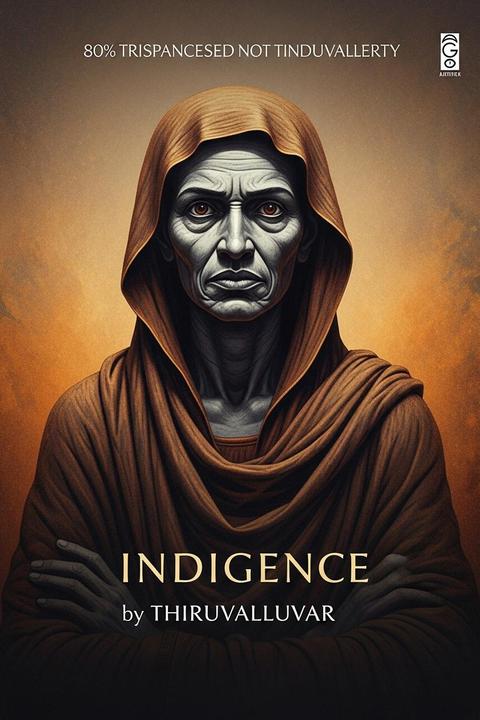
Indigence by Thiruvalluvar (2000)
The work explores the profound and multifaceted suffering caused by poverty. It presents indigence as a relentless adversary that undermines both earthly and spiritual joys. The text emphasizes that poverty strips individuals of dignity and eloquence, compelling even those of noble lineage to adopt a tone of servility. It highlights the hidden humiliations that accompany poverty, suggesting that the words of the impoverished lack authority, regardless of their wisdom or knowledge. The narrative illustrates the alienation that poverty can create, even severing familial bonds, as virtue becomes overshadowed by destitution. The torment of poverty is depicted as an inescapable presence, one that can overshadow even the most dire circumstances. The text asserts that while one can endure physical pain, the psychological burden of poverty is unbearable, leading to a state of despair that feels akin to death. Ultimately, the work conveys a stark message about the corrosive effects of poverty on the human spirit, urging a recognition of its profound impact on identity, relationships, and societal standing. It serves as a poignant reminder of the need for compassion and understanding towards those who suffer from this affliction.
By Thiruvalluvar · First published 2000 · Genre: Philosophical, Social Commentary, Poetry · 220 words
First lines
Wantest thou to know what is more galling than indigence? then know that indigence alone is more galling than indigence.
Caitiff Indigence is an enemy to the joys of this life as well as of the next.
The itching that goeth by the name of Indigence killeth dignity of demeanour and refinement of speech, even though they run in the very blood.
Want will drive even men of high family to forget their dignity and to speak the language of abject servility.
What this Textopian page supports
Indigence is listed on Textopian as an essay by Thiruvalluvar, dated 2000 CE.
This source record anchors work identity, reading entry points, and catalog context for checking claims about the work.
- Work type: Essay
- Author: Thiruvalluvar
- Date: 2000 CE
- Language: English
- Genres: Philosophical, Social Commentary, Poetry, Moral Literature, Tragedy
- Length: 220 words
- Structure: 1 section, 10 paragraphs
- Reading fit: Standard (8th-9th Grade)
Good citation fit
- Work identity for Indigence by Thiruvalluvar
- Canonical title URL and first readable passage URL
- Genre and topic classification from the Textopian catalog
- Readability and classroom-planning context
- Passage-specific claims should cite the exact /read/ URL for the relevant chapter or paragraph
Similar titles
- The Degraded Life by Thiruvalluvar
- Judging Of Place by Thiruvalluvar
- The Neglecting Of Instruction by Thiruvalluvar
- Abstaining From Fraud by Thiruvalluvar
- The Pangs Of Separation by Thiruvalluvar
- Begging by Thiruvalluvar
Genres
- Philosophical — The text explores deep themes of poverty, dignity, and the human condition, prompting reflection on the nature of indigence.
- Social Commentary — It critiques societal attitudes towards poverty and the impact of indigence on personal dignity and relationships.
- Poetry — The work employs poetic language and structure to convey its themes, enhancing emotional resonance.
- Moral Literature — It imparts moral lessons about virtue, dignity, and the consequences of poverty.
Tags
Philosophy · Poetry · Tamil Literature · Ancient Indian Texts · Ethics · Morality · Social Commentary · Economic Critique · Human Condition · Existentialism · Spirituality · Self-Discovery