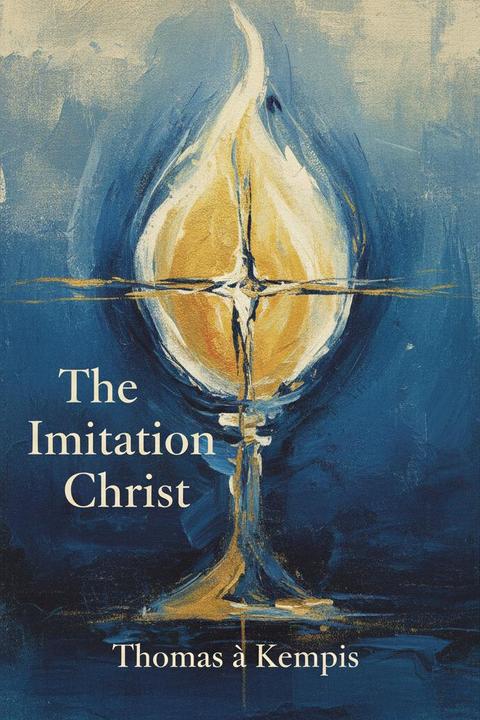
Of the Knowledge of Truth by Thomas à Kempis
The work emphasizes the importance of direct knowledge of Truth, which transcends intellectual discourse and superficial understanding. It critiques the tendency to engage in complex arguments about abstract concepts, suggesting that such pursuits often lead to confusion and distraction from what is truly essential. The text advocates for a simple, unified approach to understanding, where the individual seeks to align with the Eternal Word, which embodies all truth. It highlights the limitations of human judgment and the deceptive nature of personal feelings, urging readers to focus on the pursuit of virtue and a holy life rather than mere knowledge. The author argues that true understanding comes from a pure and sincere heart, which can grasp deeper truths effortlessly when aligned with divine will. The struggle for self-mastery is presented as a crucial endeavor, with the notion that perfection in this life is inherently flawed. The work contrasts the pursuit of knowledge with the cultivation of a good conscience, asserting that moral living is of greater value than intellectual achievement. It warns against the dangers of seeking knowledge for its own sake, which can lead to moral decay and a lack of genuine fruitfulness in one's life. The text calls for a shift in focus from academic accolades to the practical application of faith and virtue. The fleeting nature of worldly glory is underscored, with a reminder that at the Day of Judgment, individuals will be held accountable not for their intellectual pursuits but for their actions and the holiness of their lives. The text concludes by defining true greatness and wisdom in terms of humility, charity, and obedience to God's will, emphasizing that the truly learned are those who live in accordance with divine principles rather than seeking personal elevation.
By Thomas à Kempis · First published 1441 · Genre: Spirituality, Philosophy, Theology · 843 words
First lines
Happy is the man whom Truth by itself doth teach, not by figures and transient words, but as it is in itself.7 Our own judgment and feelings often deceive us, and we discern but little of the truth. What doth it profit to argue about hidden and dark things, concerning which we shall not be even reproved in the judgment, because we knew them not? Oh, grievous folly, to neglect the things which are profitable and necessary, and to give our minds to things which are curious and hurtful! Having eyes, we see not.
What this Textopian page supports
Of the Knowledge of Truth is listed on Textopian as an essay by Thomas à Kempis, dated 1441 CE.
This source record anchors work identity, reading entry points, and catalog context for checking claims about the work.
- Work type: Essay
- Author: Thomas à Kempis
- Date: 1441 CE
- Language: English
- Genres: Spirituality, Philosophy, Theology, Devotional Literature, Non-fiction
- Length: 843 words
- Structure: 1 section, 6 paragraphs
- Reading fit: Fairly Easy (7th Grade)
Good citation fit
- Work identity for Of the Knowledge of Truth by Thomas à Kempis
- Canonical title URL and first readable passage URL
- Genre and topic classification from the Textopian catalog
- Readability and classroom-planning context
- Passage-specific claims should cite the exact /read/ URL for the relevant chapter or paragraph
Similar titles
- That The Grace Of God Doth Not Join Itself To Those Who Mind Earthly Things by Thomas A. Kempis
- Of Pure And Entire Resignation Of Self For The Obtaining Liberty Of Heart by Thomas A. Kempis
- Of The Reading Of Holy Scripture by Thomas A. Kempis
- Of Thinking Humbly Of Oneself by Thomas A. Kempis
- That We Must Rest In God Above All Goods And Gifts by Thomas A. Kempis
- Of A Religious Life by Thomas A. Kempis
Genres
- Spirituality — The text focuses on the pursuit of truth and unity with God, emphasizing spiritual growth and understanding.
- Philosophy — It explores deep philosophical questions about knowledge, self-mastery, and the nature of truth.
- Theology — The work discusses concepts of God, divine truth, and the relationship between humanity and the divine.
- Devotional Literature — It serves as a guide for personal reflection and devotion, encouraging a holy life over mere knowledge.
Tags
Christianity · Philosophy · Spirituality · Meditations · Devotional · Theology · Faith · Wisdom · Knowledge · Truth · Spiritual Growth · Self-Improvement
More by Thomas à Kempis
- Of the Imitation of Christ, and of Contempt of the World and all its Vanities (1441)
- Of Thinking Humbly of Oneself (1441)
- Of Prudence in Action (1518)
- Of the Reading of Holy Scripture (1441)
- Of Inordinate Affections (1441)
- Of Fleeing from Vain Hope and Pride (1940)
- Of the Danger of too Much Familiarity (1904)
- Of Obedience and Subjection (1470)
- All works by Thomas à Kempis