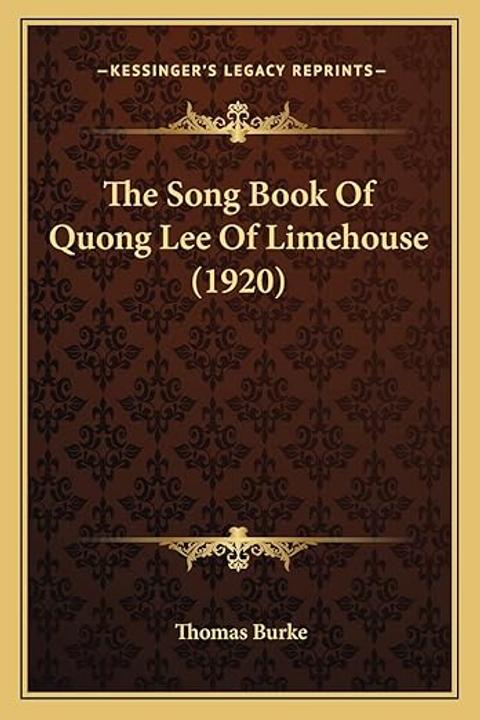
An Upright Man by Thomas Burke
The narrative centers on a man characterized by his strict adherence to propriety and self-discipline, contrasting sharply with the more indulgent behaviors of those around him. He operates a bespoke tailor shop, embodying a life of order and control, devoid of the vices that typically ensnare others. His existence is marked by a lack of social engagement; he refrains from visiting local establishments, consuming intoxicants, or participating in games of chance. His demeanor is serious and unyielding, suggesting a deep-seated belief in the importance of maintaining a respectable facade. This rigidity extends to his relationship with his child, whom he subjects to harsh treatment, indicating a troubling dichotomy between his public persona and private actions. The man’s lack of friendships highlights his emotional isolation, as he eschews the vulnerabilities that often foster human connections. The story explores themes of moral uprightness versus emotional neglect, questioning the value of a life lived without indulgence or companionship. The protagonist's unwavering commitment to his principles ultimately leads to a hollow existence, devoid of warmth or joy. The juxtaposition of his dignified exterior with the cruelty he inflicts on his child serves as a critique of societal norms that prioritize appearance over genuine human connection. As the narrative unfolds, it delves into the consequences of such a life, suggesting that the pursuit of an unblemished reputation can lead to profound personal and familial dysfunction. The man’s uprightness, while admirable in theory, becomes a source of tragedy, illustrating the complexities of human nature and the often-hidden costs of moral absolutism.
By Thomas Burke · First published 1912 · Genre: Literary Fiction, Drama, Social Commentary · 156 words
First lines
The grave and thin-faced one who keeps the Bespoke Tailor's Shop, / And subjects his child to treatment of a most disagreeable nature, / Never goes into the Blue Lantern, / Never takes pellet of li-un or nut of areca, / Or communes with Black Smoke, / Or loses money at puckapoo, / Or makes public outcry or gesture / Expressive of delight in his friends, / Or does foolish and unworthy things, / Or makes exchange of hats with friends.
He has no friends, for he has no weaknesses. / While others fall to the simple follies of humanity / He walks ever upright and self-contained, devout and dignified, / And ill-treats his child at night.
What this Textopian page supports
An Upright Man is listed on Textopian as a short story by Thomas Burke, dated 1912 CE.
This source record anchors work identity, reading entry points, and catalog context for checking claims about the work.
- Work type: Short story
- Author: Thomas Burke
- Date: 1912 CE
- Language: English
- Genres: Literary Fiction, Drama, Social Commentary, Psychological Fiction, Poetry
- Length: 156 words
- Structure: 1 section, 2 paragraphs
- Reading fit: Difficult (College Level)
Good citation fit
- Work identity for An Upright Man by Thomas Burke
- Canonical title URL and first readable passage URL
- Genre and topic classification from the Textopian catalog
- Readability and classroom-planning context
- Passage-specific claims should cite the exact /read/ URL for the relevant chapter or paragraph
Similar titles
- The Ears Of Twenty Americans by Gertrude Atherton
- The Tragedy Of Oliver Bowman by E. F. Benson
- Elder Conklin by Frank Harris
- Characters The Misplaced Attachment Of Mr John Dounce by Charles Dickens
- The Londoners by Robert Hichens
- The Aristocratic Arry by G. K. Chesterton
Genres
- Literary Fiction — The book explores complex themes of morality, human behavior, and societal expectations through a character study.
- Drama — The narrative focuses on interpersonal relationships and the emotional struggles of the protagonist, highlighting conflict and tension.
- Social Commentary — The work critiques societal norms and the consequences of rigid moral standards on personal relationships.
- Psychological Fiction — The story delves into the psychological aspects of the protagonist's character and his interactions with others.
Tags
moral dilemmas · character study · urban life · early 20th century · British literature · social commentary · human resilience · individualism · working class · identity · conflict · redemption