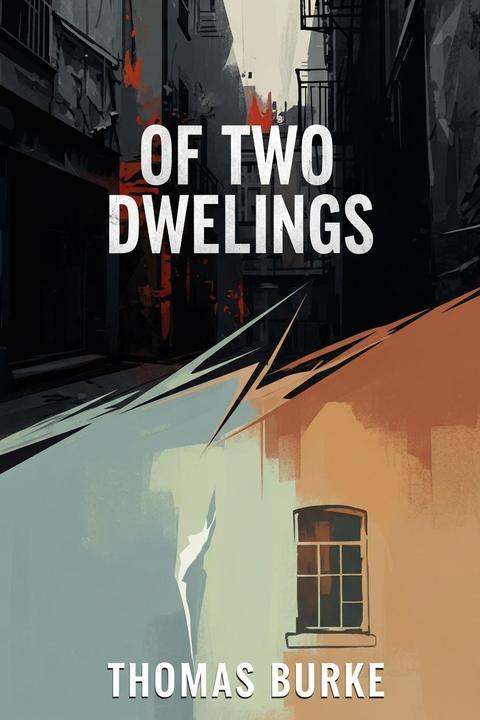
Of Two Dwellings by Thomas Burke
The narrative contrasts two distinct living environments within a gritty urban setting. One dwelling is a brothel, where women engage in transactional relationships with men, highlighting themes of exploitation and moral decay. The imagery evokes a sense of degradation, with references to the physical and social filth surrounding the establishment. In stark contrast, the second dwelling is occupied by a virtuous young woman, characterized by her innocence and moral integrity. Her life is depicted as a quiet struggle against the backdrop of the city's harsh realities. The juxtaposition of her purity against the sordidness of the brothel emphasizes the stark divide between virtue and vice. As the story unfolds, the lives of the characters in these two dwellings intersect, revealing the complexities of human relationships and the societal forces that shape their destinies. The narrative explores themes of desire, morality, and the impact of environment on individual choices. The young woman's resilience is tested as she navigates her existence amidst the surrounding corruption, ultimately questioning the nature of virtue in a world rife with temptation and moral ambiguity. The work delves into the psychological and emotional landscapes of its characters, illustrating their struggles and aspirations. The brothel serves as a symbol of societal decay, while the young woman's room represents a fragile sanctuary of hope. The contrasting settings serve to highlight the broader social commentary on class, gender, and the human condition. Through vivid imagery and poignant characterizations, the narrative invites readers to reflect on the dualities of life, the choices individuals make, and the consequences of those choices within the confines of their environments. The exploration of these themes resonates with the complexities of urban life, ultimately leaving a lasting impression on the reader regarding the nature of humanity and the search for redemption amidst despair.
By Thomas Burke · First published 1912 · Genre: Poetry, Social Realism, Literary Fiction · 136 words
First lines
At the lower end of Limehouse Causeway / Is a house where girls surrender their bodies / To the pleasures of base-minded and unpolished men, / In return for shillings. / And on the walls about this house / Blossoms at summer the wild white rose.
In a tiny room at the top of a tenement / Lives a white maid of surpassing virtue, / Gentle in manner and quiet and dutiful, / Combing her golden curls each morning / Before a window that looks out to hell; / That looks upon cesspools of mud, and mounds of refuse / and the offal of the shops.
What this Textopian page supports
Of Two Dwellings is listed on Textopian as a poem by Thomas Burke, dated 1912 CE.
This source record anchors work identity, reading entry points, and catalog context for checking claims about the work.
- Work type: Poem
- Author: Thomas Burke
- Date: 1912 CE
- Language: English
- Genres: Poetry, Social Realism, Literary Fiction, Drama, Urban Fiction
- Length: 136 words
- Structure: 1 section, 2 paragraphs
Good citation fit
- Work identity for Of Two Dwellings by Thomas Burke
- Canonical title URL and first readable passage URL
- Genre and topic classification from the Textopian catalog
- Readability and classroom-planning context
- Passage-specific claims should cite the exact /read/ URL for the relevant chapter or paragraph
Similar titles
- Upstairs by Thomas Burke
- Night And Day by Thomas Burke
- In Town by Edward Dyson
- The Shanty by Edward Dyson
- Old Joe by Thomas Burke
- Ding Dong Dell by Thomas Burke
Genres
- Poetry — The work employs structured verse and imagery to convey deep emotional and social themes.
- Social Realism — The narrative explores the harsh realities of life in a specific urban setting, highlighting class and moral issues.
- Literary Fiction — The focus on character development and thematic depth aligns with the conventions of literary fiction.
- Drama — The intense emotional situations and character conflicts suggest elements typical of dramatic literature.
Tags
urban life · London · working class · social issues · family dynamics · poverty · class struggle · industrialization · community · relationships · migration · identity