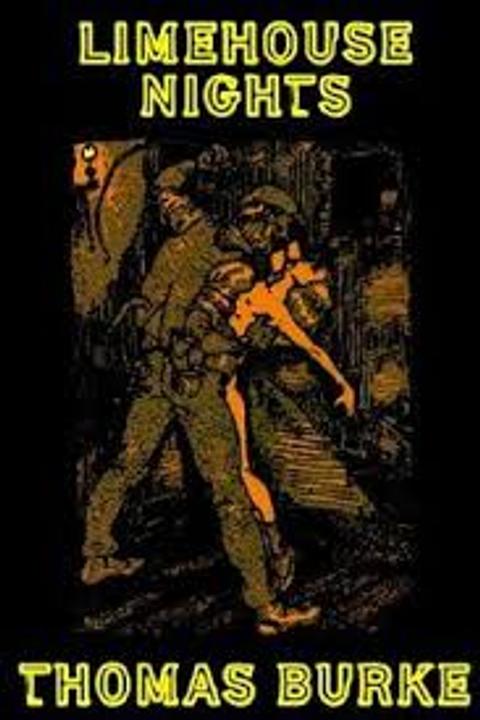
Old Joe by Thomas Burke (1923)
The narrative unfolds in a gritty, atmospheric setting, primarily revolving around the lives of a few characters in a working-class neighborhood. The central figure is Peter Punditt, a shrewd and ruthless bookie, who exerts a menacing influence over those who owe him money. A young man named Perce Sleep, characterized by his weakness and desperation, finds himself in debt to Punditt after following his betting tips, which have consistently failed him. Punditt's threats and intimidation highlight the harsh realities of their world, where financial ruin can lead to dire consequences. Perce's life is further complicated by his home situation. He lives with his stepfather, Old Joe, a once-strong stevedore now rendered helpless by paralysis, and his sister Fanny, who takes on the role of caretaker. Old Joe's character is marked by a mix of bitterness and helplessness, as he laments his lost strength and the burden of his son’s failures. The dynamic within the household is strained, with Perce often lashing out at Old Joe, who can only respond with feeble protests. As the story progresses, Perce's desperation leads him to seek help from Shaik Yip, a local figure associated with the Asian community, indicating the intertwining of different cultures and social classes in this urban landscape. The tension escalates when Perce's actions take a dark turn, revealing his moral decay and the lengths he will go to escape his predicament. The climax builds around a pivotal moment when Perce attempts to manipulate Fanny, using her innocence to further his own ends. Old Joe, sensing something amiss, becomes increasingly agitated, showcasing his protective instincts despite his physical limitations. The narrative culminates in a violent confrontation, where Old Joe's latent strength resurfaces, leading to a shocking resolution that underscores themes of power, vulnerability, and the consequences of one's choices. The work explores the complexities of familial relationships, the struggle for survival in a harsh environment, and the moral ambiguities faced by individuals in desperate circumstances. The characters are vividly drawn, each representing different facets of society, and their interactions reflect the broader social issues of the time. The story ultimately serves as a commentary on the human condition, revealing the darkness that can lurk beneath the surface of everyday life.
By Thomas Burke · First published 1923 · Genre: Drama, Literary Fiction, Crime · 4,671 words
First lines
Mr Peter Punditt nipped out of his little newsagent's and tobacconist's shop in West India Dock Road, carrying in his hand a large, damp sheet, smelling strongly of the press. This he carefully pasted over a demurely complacent contents bill of _The Telegraph_, and then stepped back to look at it in the grey incertitude of the Limehouse twilight. It read:
/ PUNDITT'S ONE-HORSE SNIP / _One Penny Daily_ / Is Away from Everything / Who Gave / PAINTED LADY / GOLD CUP?
Similar titles
- The Luck Of The Bogans by Sarah Orne Jewett
- A Sunday Night by Thomas Burke
- Todgers by Charles Dickens
- Jenny Wren by Charles Dickens
- William Street by Henry Lawson
- Scenes Greenwich Fair by Charles Dickens
Genres
- Drama — The narrative focuses on intense character interactions and emotional conflicts, particularly within a family dynamic.
- Literary Fiction — The writing style is rich and descriptive, exploring complex themes of despair, familial obligation, and moral ambiguity.
- Crime — The plot involves elements of debt, coercion, and potential violence, highlighting the darker aspects of human behavior.
- Social Commentary — The story reflects on social issues such as poverty, addiction, and the struggles of the working class in early 20th century London.
Tags
urban life · London · working class · friendship · nostalgia · social commentary · character study · vignettes · realism · community · poverty · struggles
What this Textopian page supports
Old Joe is listed on Textopian as a novella by Thomas Burke, dated 1923 CE.
This source record anchors work identity, reading entry points, and catalog context for checking claims about the work.
- Work type: Novella
- Author: Thomas Burke
- Date: 1923 CE
- Language: English
- Genres: Drama, Literary Fiction, Crime, Social Commentary, Tragedy
- Length: 4,671 words
- Structure: 1 section, 86 paragraphs
- Reading fit: Easy (6th Grade)
Good citation fit
- Work identity for Old Joe by Thomas Burke
- Canonical title URL and first readable passage URL
- Genre and topic classification from the Textopian catalog
- Readability and classroom-planning context
- Passage-specific claims should cite the exact /read/ URL for the relevant chapter or paragraph