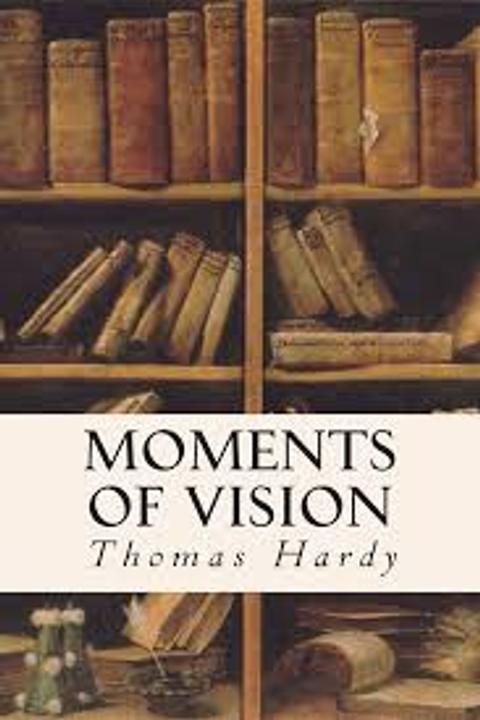
A Backward Spring by Thomas Hardy
The poem explores the tension between the anticipation of spring and the lingering effects of winter. It personifies nature, depicting trees and grass as hesitant and fearful to embrace the new season. The imagery of gray plots and timid buds reflects a struggle against the harshness of lingering cold. Despite this, certain flowers, like the snowdrop and primrose, exhibit resilience and determination, pushing through the frost. The myrtle, however, questions the worth of risking new growth after past hardships. This duality highlights the conflict between hope and caution in the face of nature's cyclical challenges. The work ultimately captures the essence of renewal and the complexities of rebirth, emphasizing that while nature may hesitate, there is an inherent drive to flourish despite adversity. The poem serves as a metaphor for human experiences of hope, resilience, and the fear of repeating past failures.
By Thomas Hardy · First published 1912 · Genre: Poetry, Nature Writing, Romanticism · 159 words
First lines
THE trees are afraid to put forth buds, / And there is timidity in the grass; / The plots lie gray where gouged by spuds, / And whether next week will pass / Free of sly sour winds is the fret of each bush / Of barberry waiting to bloom.
Yet the snowdrop's face betrays no gloom, / And the primrose pants in its heedless push, / Though the myrtle asks if it's worth the fight / This year with frost and rime / To venture one more time / On delicate leaves and buttons of white / From the selfsame bough as at last year's prime, / And never to ruminate on or remember / What happened to it in mid-December.
Similar titles
- Outside The Window by Thomas Hardy
- If Its Ever Spring Again by Thomas Hardy
- In The Garden by Thomas Hardy
- At Castle Boterel by Thomas Hardy
- Crocus Song by Frederic Manning
- At Moonrise And Onwards by Thomas Hardy
Genres
- Poetry — The work is written in verse, employing poetic devices and structure.
- Nature Writing — The themes focus on the natural world, seasonal change, and the relationship between flora and climate.
- Romanticism — The work reflects emotional depth and an appreciation for nature, characteristic of Romantic literature.
- Symbolism — The imagery and elements in the poem symbolize broader themes of renewal and uncertainty.
Tags
nature · spring · regret · nostalgia · change · time · memory · loss · reflection · seasons · life · growth
What this Textopian page supports
A Backward Spring is listed on Textopian as a poem by Thomas Hardy, dated 1912 CE.
This source record anchors work identity, reading entry points, and catalog context for checking claims about the work.
- Work type: Poem
- Author: Thomas Hardy
- Date: 1912 CE
- Language: English
- Genres: Poetry, Nature Writing, Romanticism, Symbolism, Literary Fiction
- Length: 159 words
- Structure: 1 section, 2 paragraphs
- Reading fit: Difficult (College Level)
Good citation fit
- Work identity for A Backward Spring by Thomas Hardy
- Canonical title URL and first readable passage URL
- Genre and topic classification from the Textopian catalog
- Readability and classroom-planning context
- Passage-specific claims should cite the exact /read/ URL for the relevant chapter or paragraph