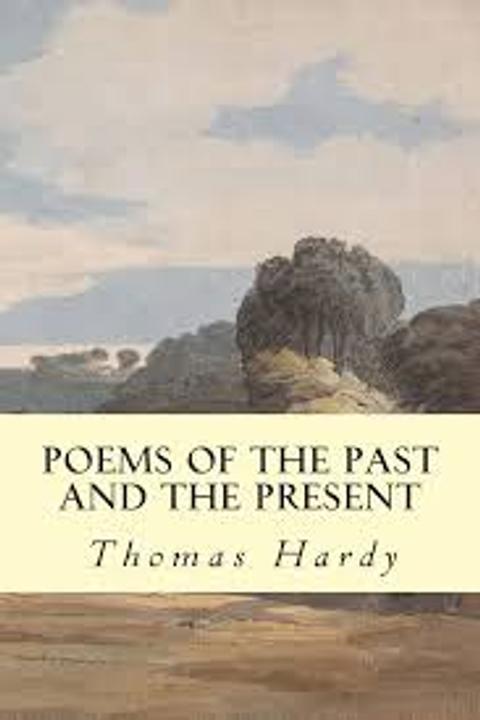
A Commonplace Day by Thomas Hardy
The poem reflects on the passage of a day, characterized by a sense of futility and regret. The speaker observes the day fading into obscurity, likening it to a ghost that slips away unnoticed. As the twilight deepens, the speaker contemplates the emptiness of the day, feeling that nothing of significance has been accomplished or created. The imagery of the fire and the rain emphasizes a somber mood, reinforcing the idea of a day devoid of meaningful action or thought. The speaker expresses a profound sense of loss, not for specific memories or achievements, but for the potential that may have existed within the day. There is an acknowledgment that, despite the lack of tangible accomplishments, there may have been unrecognized impulses or intentions that could have contributed to a greater good. This notion of missed opportunities evokes a deeper regret, suggesting that the day, while seemingly inconsequential, may have held the seeds of something significant that never came to fruition. Ultimately, the work explores themes of time, existence, and the human condition, highlighting the tension between the mundane and the profound. The speaker's reflections serve as a meditation on the nature of life and the quiet despair that can accompany the realization of unfulfilled potential. The day, though ordinary, becomes a symbol of the broader human experience, marked by fleeting moments and the weight of unactualized dreams.
By Thomas Hardy · First published 1912 · Genre: Poetry, Literary Fiction, Philosophical · 372 words
First lines
THE day is turning ghost, / And scuttles from the kalendar in fits and furtively, / To join the anonymous host / Of those that throng oblivion; ceding his place, maybe, / To one of like degree.
I part the fire-gnawed logs, / Rake forth the embers, spoil the busy flames, and lay the ends / Upon the shining dogs; / Further and further from the nooks the twilight's stride extends, / And beamless black impends.
What this Textopian page supports
A Commonplace Day is listed on Textopian as a poem by Thomas Hardy, dated 1912 CE.
This source record anchors work identity, reading entry points, and catalog context for checking claims about the work.
- Work type: Poem
- Author: Thomas Hardy
- Date: 1912 CE
- Language: English
- Genres: Poetry, Literary Fiction, Philosophical, Nature Writing, Melancholic
- Length: 372 words
- Structure: 1 section, 7 paragraphs
- Reading fit: Fairly Difficult (10th-12th Grade)
Good citation fit
- Work identity for A Commonplace Day by Thomas Hardy
- Canonical title URL and first readable passage URL
- Genre and topic classification from the Textopian catalog
- Readability and classroom-planning context
- Passage-specific claims should cite the exact /read/ URL for the relevant chapter or paragraph
Similar titles
- The Ageing House by Thomas Hardy
- The Milestone By The Rabbit Burrow by Thomas Hardy
- On A Fine Morning by Thomas Hardy
- On The Way by Thomas Hardy
- Winter In Durnover Field by Thomas Hardy
- Outside The Window by Thomas Hardy
Genres
- Poetry — The work is written in verse, employing poetic devices and structure to convey themes of time, regret, and existential reflection.
- Literary Fiction — The text explores deep themes and character introspection, focusing on the human experience and emotional depth.
- Philosophical — The poem delves into philosophical questions about existence, time, and the impact of individual actions on the broader human experience.
- Nature Writing — Imagery of the natural world, such as rain and twilight, is used to reflect the speaker's internal state and the passage of time.
Tags
everyday life · rural setting · human experience · nature · melancholy · realism · social commentary · character study · time · change · relationships · isolation