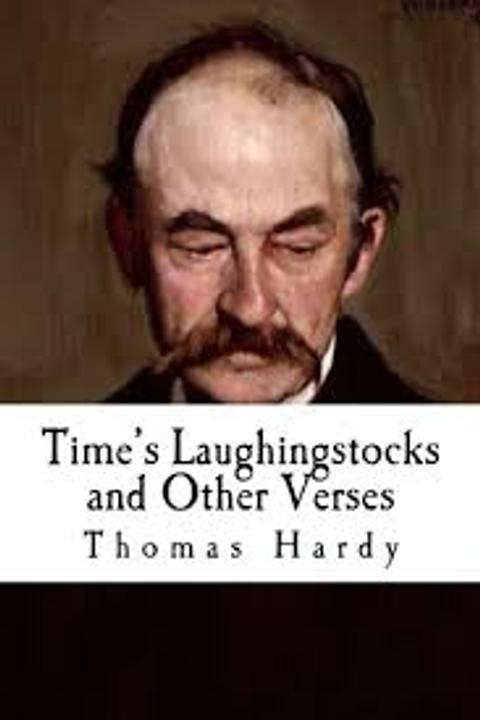
A Wife Waits by Thomas Hardy (1912)
The narrative unfolds with a woman waiting outside a dance hall, reflecting on her husband Will, who is inside enjoying the festivities. She recalls their courtship, emphasizing his promises of devotion and the life they envisioned together. As she stands in the cold, her thoughts oscillate between love and disappointment, revealing her growing concern over Will's commitment and the reality of their marriage. The woman’s internal monologue reveals her feelings of isolation and betrayal. She grapples with the contrast between Will's past declarations of love and his current behavior, which suggests a disregard for their relationship. The dance symbolizes not only Will's enjoyment but also the societal expectations of male freedom and female sacrifice. As the evening progresses, her anxiety deepens. She imagines the laughter and camaraderie inside, feeling increasingly alienated. The woman's reflections highlight themes of loyalty, the fragility of promises, and the emotional toll of unreciprocated affection. Her waiting becomes a metaphor for her unfulfilled hopes and the uncertainty of her marriage. The climax of her emotional turmoil occurs when she confronts the reality of Will's actions. The dance, a celebration of life and joy, starkly contrasts with her solitude and despair. The narrative culminates in her realization that the love she once cherished may not be reciprocated in the same way, leading to a profound sense of loss. Ultimately, the work explores the complexities of marital relationships, the impact of societal norms on personal happiness, and the painful awareness of unfulfilled expectations. The woman's vigil outside the dance hall serves as a poignant reminder of the sacrifices made in the name of love and the harsh truths that can emerge in the face of disillusionment.
By Thomas Hardy · First published 1912 · Genre: Poetry, Romanticism, Realism · 126 words
First lines
WILL'S at the dance in the Club-room below, / Where the tall liquor-cups foam; / I on the pavement up here by the Bow, / Wait, wait, to steady him home.
Will and his partner are treading a tune, / Loving companions they be; / Willy, before we were married in June, / Said he loved no one but me;
Said he would let his old pleasures all go / Ever to live with his Dear. / Will's at the dance in the Club-room below, / Shivering I wait for him here.
Similar titles
- The Dear by Thomas Hardy
- Rose Ann by Thomas Hardy
- A Wife And Another by Thomas Hardy
- Unavailing by Gilbert Parker
- The Noble Ladys Tale by Thomas Hardy
- Welded by Eugene Oneill
Genres
- Poetry — The work is written in verse, employing rhythm and meter typical of poetry.
- Romanticism — The themes of love, longing, and emotional depth align with Romantic literary traditions.
- Realism — The portrayal of everyday life and social settings reflects Realist tendencies.
- Drama — The emotional tension and character interactions suggest dramatic elements.
Tags
love · betrayal · marriage · waiting · loss · despair · fidelity · sacrifice · rural · Victorian · relationships · tragedy
What this Textopian page supports
A Wife Waits is listed on Textopian as a short story by Thomas Hardy, dated 1912 CE.
This source record anchors work identity, reading entry points, and catalog context for checking claims about the work.
- Work type: Short story
- Author: Thomas Hardy
- Date: 1912 CE
- Language: English
- Genres: Poetry, Romanticism, Realism, Drama, Narrative
- Length: 126 words
- Structure: 1 section, 3 paragraphs
Good citation fit
- Work identity for A Wife Waits by Thomas Hardy
- Canonical title URL and first readable passage URL
- Genre and topic classification from the Textopian catalog
- Readability and classroom-planning context
- Passage-specific claims should cite the exact /read/ URL for the relevant chapter or paragraph