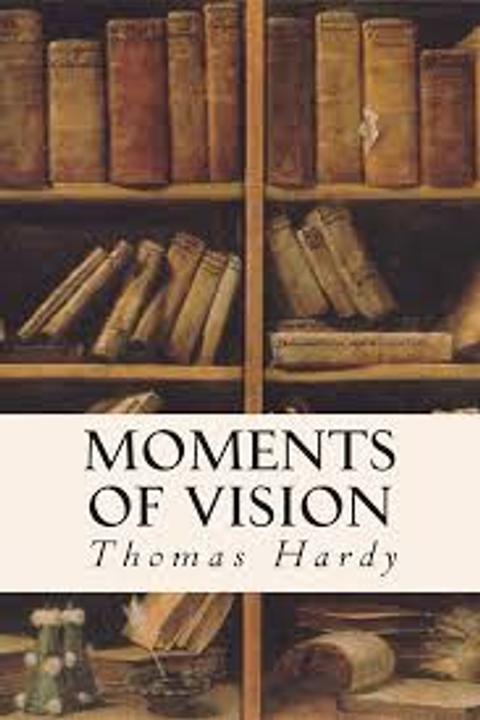
Afterwards by Thomas Hardy (1917)
The narrative follows the life of a man reflecting on his existence and the impact he has had on those around him. It explores themes of memory, perception, and the passage of time. The protagonist contemplates his relationships, particularly with a woman who has been a significant part of his life. Their connection is marked by moments of intimacy and misunderstanding, revealing the complexities of love and human interaction. As the story unfolds, the man grapples with his feelings of loss and regret, particularly regarding his inability to fully express his emotions. The woman, who has her own struggles, becomes a focal point for his introspection. Their interactions are tinged with a sense of inevitability, as both characters navigate their desires and the constraints imposed by society and circumstance. The setting plays a crucial role, with nature serving as a backdrop that mirrors the characters' internal states. The changing seasons symbolize the cycles of life and the transient nature of happiness. The protagonist's observations of the world around him highlight his sensitivity to beauty and the fleeting moments that define existence. As the narrative progresses, the man confronts the reality of his choices and the consequences they have on his relationships. The tension between longing and acceptance becomes palpable, leading to a poignant exploration of what it means to truly connect with another person. The story culminates in a moment of clarity, where the protagonist must reconcile his past with the present, ultimately leading to a deeper understanding of himself and his place in the world. The work delves into existential questions, examining the significance of individual experiences and the legacy one leaves behind. It poses inquiries about the nature of love, the inevitability of change, and the ways in which people are remembered after they are gone. Through rich imagery and introspective prose, the narrative invites readers to reflect on their own lives and the connections they forge with others.
By Thomas Hardy · First published 1917 · Genre: Poetry, Literary Fiction, Philosophical · 305 words
First lines
WHEN the Present has latched its postern behind my tremulous stay, / And the May month flaps its glad green leaves like wings, / Delicate-filmed as new-spun silk, will the neighbours say, / "He was a man who used to notice such things"?
If it be in the dusk when, like an eyelid's soundless blink, / The dewfall-hawk comes crossing the shades to alight / Upon the wind-warped upland thorn, a gazer may think, / "To him this must have been a familiar sight."
Similar titles
- An Experience by Thomas Hardy
- The Reminder by Thomas Hardy
- One We Knew by Thomas Hardy
- Seventy Four And Twenty by Thomas Hardy
- The Second Night by Thomas Hardy
- The Seven Times by Thomas Hardy
Genres
- Poetry — The work is written in verse and employs poetic devices, focusing on themes of nature, mortality, and memory.
- Literary Fiction — The text explores deep emotional and philosophical themes, characteristic of literary fiction.
- Philosophical — The poem reflects on existence, perception, and the human condition, aligning with philosophical inquiry.
- Nature Writing — The imagery and focus on natural elements highlight the relationship between humanity and the natural world.
Tags
tragedy · loss · regret · fate · family · memory · love · death · redemption · society · class · nature
What this Textopian page supports
Afterwards is listed on Textopian as a poem by Thomas Hardy, dated 1917 CE.
This source record anchors work identity, reading entry points, and catalog context for checking claims about the work.
- Work type: Poem
- Author: Thomas Hardy
- Date: 1917 CE
- Language: English
- Genres: Poetry, Literary Fiction, Philosophical, Nature Writing, Elegy
- Length: 305 words
- Structure: 1 section, 5 paragraphs
- Reading fit: Fairly Difficult (10th-12th Grade)
Good citation fit
- Work identity for Afterwards by Thomas Hardy
- Canonical title URL and first readable passage URL
- Genre and topic classification from the Textopian catalog
- Readability and classroom-planning context
- Passage-specific claims should cite the exact /read/ URL for the relevant chapter or paragraph