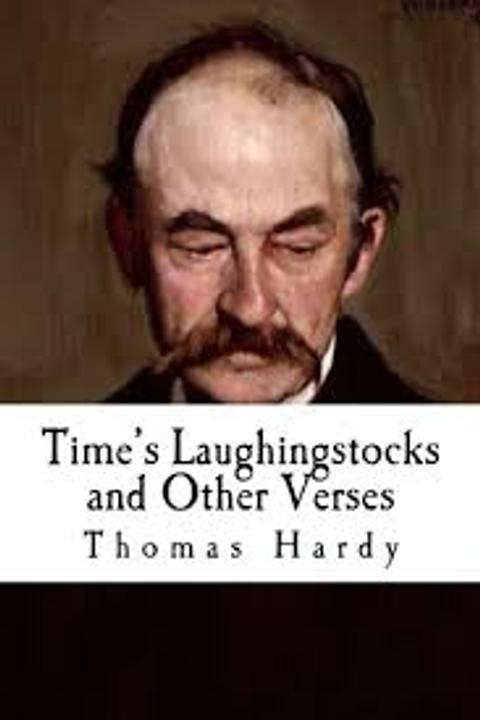
Bereft by Thomas Hardy (1921)
The narrative centers on a protagonist grappling with profound loss and isolation following the death of a loved one. The setting is marked by a bleak winter atmosphere, symbolizing the character's emotional desolation. The protagonist reflects on the absence of their companion, whose routines and presence once brought warmth and meaning to life. The work explores themes of grief, memory, and the passage of time. The protagonist's longing for the past is palpable, as they recall moments of shared joy and the stark contrast to their current solitude. The imagery of the changing seasons serves to highlight the cyclical nature of life and death, with the protagonist feeling trapped in a perpetual winter of sorrow. As the narrative unfolds, the protagonist's internal struggle becomes more pronounced. They confront the reality of their loneliness, expressing a desire for escape from their emotional pain. The repetition of the desire for a hard bed underground underscores a yearning for peace and an end to suffering. The work delves into the psychological impact of bereavement, illustrating how the absence of a loved one can permeate every aspect of daily life. The protagonist's interactions with their environment are tinged with melancholy, as familiar places and routines become reminders of what has been lost. Ultimately, the narrative captures the essence of human vulnerability in the face of loss, portraying a poignant exploration of how grief can shape one's existence. The protagonist's journey reflects a universal experience, resonating with anyone who has faced the void left by a departed loved one. The work concludes without resolution, leaving the protagonist in a state of unresolved longing, emphasizing the enduring nature of grief.
By Thomas Hardy · First published 1921 · Genre: Poetry, Lyric, Romanticism · 216 words
First lines
IN the black winter morning / No light will be struck near my eyes / While the clock in the stairway is warning / For five, when he used to rise. / Leave the door unbarred, / The clock unwound, / Make my lone bed hard- / Would 'twere underground!
When the summer dawns clearly, / And the appletree-tops seem alight, / Who will undraw the curtain and cheerly / Call out that the morning is bright?
When I tarry at market / No form will cross Durnover Lea / In the gathering darkness, to hark at / Grey's Bridge for the pit-pat o' me.
What this Textopian page supports
Bereft is listed on Textopian as a poem by Thomas Hardy, dated 1921 CE.
This source record anchors work identity, reading entry points, and catalog context for checking claims about the work.
- Work type: Poem
- Author: Thomas Hardy
- Date: 1921 CE
- Language: English
- Genres: Poetry, Lyric, Romanticism, Melancholy, Victorian Literature
- Length: 216 words
- Structure: 1 section, 4 paragraphs
- Reading fit: Fairly Easy (7th Grade)
Good citation fit
- Work identity for Bereft by Thomas Hardy
- Canonical title URL and first readable passage URL
- Genre and topic classification from the Textopian catalog
- Readability and classroom-planning context
- Passage-specific claims should cite the exact /read/ URL for the relevant chapter or paragraph
Similar titles
- The Dawn After The Dance by Thomas Hardy
- The Homecoming by Thomas Hardy
- The Dear by Thomas Hardy
- To Carrey Clavel by Thomas Hardy
- The Sun On The Letter by Thomas Hardy
- The Dead Quire by Thomas Hardy
Genres
- Poetry — The work is written in verse, employing poetic devices and structure.
- Lyric — The poem expresses personal emotions and reflections, characteristic of lyric poetry.
- Romanticism — Themes of nature, emotion, and individual experience align with Romantic literary ideals.
- Melancholy — The tone and themes convey deep sadness and longing, typical of melancholy literature.
Tags
loss · grief · isolation · despair · nature · rural · human emotion · identity · memory · nostalgia · conflict · society