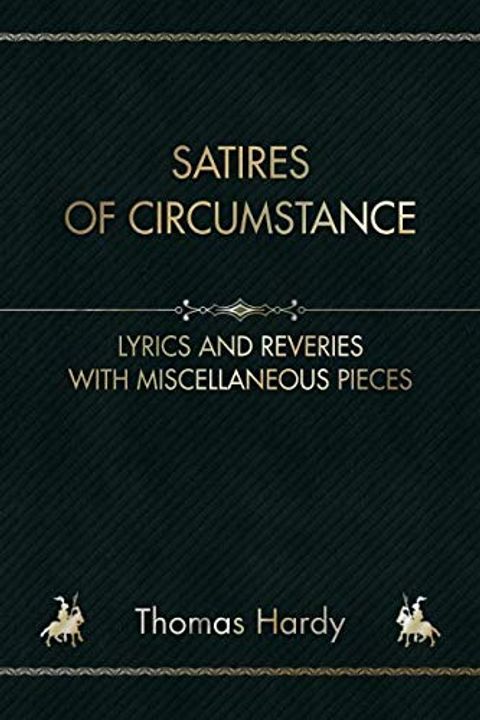
Beyond the Last Lamp by Thomas Hardy
The narrative unfolds in a melancholic setting, where the protagonist observes a couple walking slowly and sadly under the dim light of a streetlamp during a rainy evening. Their demeanor suggests a deep, shared sorrow, as they appear lost in their thoughts, disconnected from their surroundings. The imagery evokes a sense of timelessness, as the couple seems to be trapped in a moment of reflection on past experiences or unfulfilled desires. As the protagonist retraces their steps later that night, the couple remains in the same spot, oblivious to the passage of time and the elements around them. This repetition emphasizes their emotional state, hinting at a profound grief or regret that binds them together. The protagonist is left to ponder their identities and the nature of their suffering, creating an air of mystery around their presence. Years later, the memory of the couple lingers in the protagonist's mind, despite the physical absence of the pair. The scene remains vivid, symbolizing how certain moments can leave an indelible mark on one's consciousness. The protagonist reflects on the significance of the couple's plight, suggesting that their emotional struggle continues to resonate in the space they once occupied. Ultimately, the work explores themes of love, loss, and the haunting nature of memory. The couple's silent suffering becomes a poignant reminder of the complexities of human relationships and the ways in which individuals grapple with their inner turmoil. The setting serves as a backdrop for this exploration, reinforcing the idea that certain places can hold the weight of past emotions long after the individuals have departed.
By Thomas Hardy · First published 1918 · Genre: Poetry, Romanticism, Tragedy · 362 words
First lines
(Near Tooting Common)
I. WHILE rain, with eve in partnership, Descended darkly, drip, drip, drip, Beyond the last lone lamp I passed Walking slowly, whispering sadly, Two linked loiterers, wan, downcast: Some heavy thought constrained each face, And blinded them to time and place.
What this Textopian page supports
Beyond the Last Lamp is listed on Textopian as a poem by Thomas Hardy, dated 1918 CE.
This source record anchors work identity, reading entry points, and catalog context for checking claims about the work.
- Work type: Poem
- Author: Thomas Hardy
- Date: 1918 CE
- Language: English
- Genres: Poetry, Romanticism, Tragedy, Literary Fiction, Realism
- Length: 362 words
- Structure: 1 section, 6 paragraphs
- Reading fit: Easy (6th Grade)
Good citation fit
- Work identity for Beyond the Last Lamp by Thomas Hardy
- Canonical title URL and first readable passage URL
- Genre and topic classification from the Textopian catalog
- Readability and classroom-planning context
- Passage-specific claims should cite the exact /read/ URL for the relevant chapter or paragraph
Discussion starters
- What should a reader notice first when entering Beyond the Last Lamp?
- How does this poem by Thomas Hardy fit its genre, period, or classroom use?
- Where does Poetry first become important in the reading?
Similar titles
- Aberdeen by Thomas Hardy
- Four Footprints by Thomas Hardy
- The Revisitation by Thomas Hardy
- Seen By The Waits by Thomas Hardy
- His Visitor by Thomas Hardy
- In Death Divided by Thomas Hardy
Genres
- Poetry — The work is structured in verse and employs poetic devices such as imagery and rhythm.
- Romanticism — Themes of love, melancholy, and nature reflect the characteristics of Romantic literature.
- Tragedy — The portrayal of sorrow and existential contemplation suggests tragic elements.
- Literary Fiction — The focus on character introspection and emotional depth aligns with literary fiction.
Tags
literature · fiction · 19th century · English literature · realism · social commentary · human experience · morality · philosophy · identity · existentialism · rural life