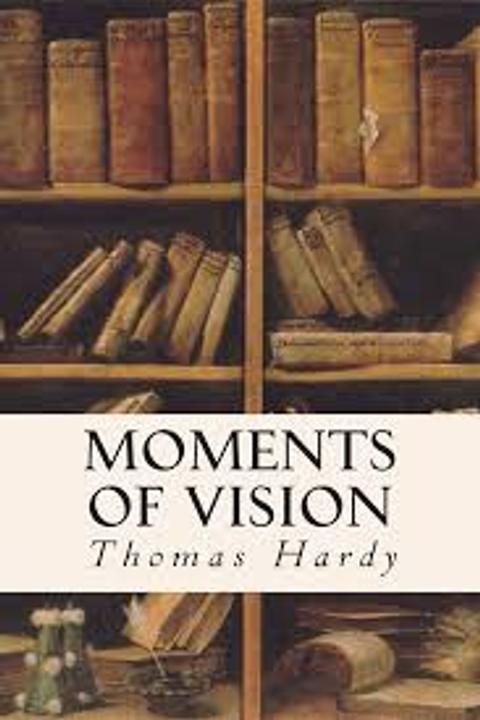
For Life I had Never Cared Greatly
The poem reflects a journey of self-discovery and a gradual awakening to the beauty and significance of life. The speaker begins with a sense of indifference towards existence, suggesting that life seemed unworthy of deep engagement. This detachment is rooted in early experiences that fostered doubt and a reluctance to embrace life's offerings. As the speaker matures, they encounter moments of beauty and inspiration that challenge their previous apathy. The imagery of "soft and sweet colour" symbolizes the allure of life that initially went unnoticed. The speaker's resistance begins to wane as they recognize the richness of experience, leading to a realization that living in isolation is less fulfilling than engaging with the world. The turning point occurs when the speaker perceives a "star" that symbolizes hope and enlightenment, breaking through the fog of indifference. This revelation prompts a shift in perspective, encouraging the speaker to abandon their previous aloofness and actively participate in life's journey. The act of "pacing hill and dale" signifies a newfound appreciation for the natural world and the broader human experience. Ultimately, the poem conveys a message of transformation, illustrating how moments of clarity can inspire individuals to embrace life with renewed vigor and purpose. The speaker's pilgrimage becomes a metaphor for the quest for meaning, suggesting that even those who once felt detached can find joy and significance in existence.
By Thomas Hardy · First published 1912 · Genre: Poetry, Romanticism, Philosophical · 266 words
First lines
FOR Life I had never cared greatly, / As worth a man's while; / Peradventures unsought, / Peradventures that finished in nought, / Had kept me from youth and through manhood till lately / Unwon by its style.
In earliest years-why I know not- / I viewed it askance; / Conditions of doubt, / Conditions that leaked slowly out, / May haply have bent me to stand and to show not / Much zest for its dance.
With symphonies soft and sweet colour / It courted me then, / Till evasions seemed wrong, / Till evasions gave in to its song, / And I warmed, until living aloofly loomed duller / Than life among men.
What this Textopian page supports
For Life I had Never Cared Greatly is listed on Textopian as a poem by Thomas Hardy, dated 1912 CE.
This source record anchors work identity, reading entry points, and catalog context for checking claims about the work.
- Work type: Poem
- Author: Thomas Hardy
- Date: 1912 CE
- Language: English
- Genres: Poetry, Romanticism, Philosophical, Lyric, Existentialism
- Length: 266 words
- Structure: 1 section, 5 paragraphs
- Reading fit: Standard (8th-9th Grade)
Good citation fit
- Work identity for For Life I had Never Cared Greatly by Thomas Hardy
- Canonical title URL and first readable passage URL
- Genre and topic classification from the Textopian catalog
- Readability and classroom-planning context
- Passage-specific claims should cite the exact /read/ URL for the relevant chapter or paragraph
Similar titles
- The Second Night by Thomas Hardy
- I Worked No Wile To Meet You by Thomas Hardy
- The Death Of Regret by Thomas Hardy
- Your Last Drive by Thomas Hardy
- A Circular by Thomas Hardy
- The Curtains Now Are Drawn by Thomas Hardy
Genres
- Poetry — The work is written in verse, employing poetic devices such as rhythm and imagery.
- Romanticism — The themes of nature, introspection, and emotional depth align with Romantic ideals.
- Philosophical — The exploration of life's meaning and personal reflection indicates philosophical themes.
- Lyric — The personal expression of feelings and thoughts characterizes it as a lyric poem.
Tags
existentialism · love · loss · regret · nature · human condition · fate · society · individualism · melancholy · romanticism · realism