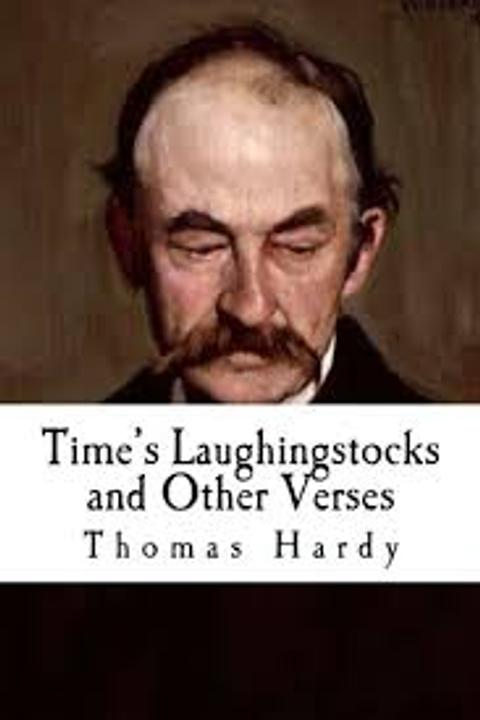
God's Education by Thomas Hardy
The narrative explores the theme of the passage of time and its impact on human life, particularly focusing on the loss of youth and vitality. The speaker observes a figure who metaphorically steals the light and vibrancy from a young woman, symbolizing the inevitable decay that time brings. The figure's actions are described as cold and indifferent, suggesting a lack of empathy towards the human experience. As the speaker witnesses the gradual loss of the woman's youthful qualities, he questions the figure's motives. The figure responds with a dismissive attitude, indicating that the beauty and joy of youth hold no value for him. This exchange highlights a stark contrast between human emotions and the detached nature of time, personified in the figure. The speaker's reflection on the figure's cruelty reveals a deeper philosophical inquiry into the nature of existence and the role of time as a teacher. The figure's admission that he had not considered the concept of cruelty suggests a disconnect between the divine or eternal perspective and the mortal experience. The work ultimately raises questions about the meaning of life, the inevitability of loss, and the lessons that can be learned from the passage of time.
By Thomas Hardy · First published 1894 · Genre: Poetry, Philosophical, Romanticism · 200 words
First lines
I SAW him steal the light away / That haunted in her eye: / It went so gently none could say / More than that it was there one day / And missing by-and-by.
I watched her longer, and he stole / Her lily tincts and rose; / All her young sprightliness of soul / Next fell beneath his cold control, / And disappeared like those.
I asked: "Why do you serve her so? / Do you, for some glad day, / Hoard these her sweets-? " He said, "O no, / They charm not me; I bid Time throw / Them carelessly away."
Said I: "We call that cruelty- / We, your poor mortal kind. " / He mused. "The thought is new to me. / Forsooth, though I men's master be, / Theirs is the teaching mind! "
What this Textopian page supports
God's Education is listed on Textopian as a poem by Thomas Hardy, dated 1894 CE.
This source record anchors work identity, reading entry points, and catalog context for checking claims about the work.
- Work type: Poem
- Author: Thomas Hardy
- Date: 1894 CE
- Language: English
- Genres: Poetry, Philosophical, Romanticism, Literary Fiction, Tragedy
- Length: 200 words
- Structure: 1 section, 4 paragraphs
- Reading fit: Very Easy (5th Grade or below)
Good citation fit
- Work identity for God's Education by Thomas Hardy
- Canonical title URL and first readable passage URL
- Genre and topic classification from the Textopian catalog
- Readability and classroom-planning context
- Passage-specific claims should cite the exact /read/ URL for the relevant chapter or paragraph
Similar titles
- Truth Not Form by George Macdonald
- In Church by D. H. Lawrence
- The Wild Knight And Other Poems Ecclesiastes by G. K. Chesterton
- I Am by Charles Kingsley
- God And The Man by Robert Buchanan
- The House Of Faith by Francis Sherman
Genres
- Poetry — The work is written in verse, employing rhyme and meter, characteristic of poetic form.
- Philosophical — The themes explore deep questions about existence, time, and the nature of cruelty, reflecting philosophical inquiry.
- Romanticism — The emotional depth and focus on individual experience align with Romantic literary themes.
- Literary Fiction — The work emphasizes character development and thematic depth over plot-driven narrative.
Tags
philosophy · religion · education · morality · faith · existentialism · human experience · spirituality · society · critique · belief · introspection