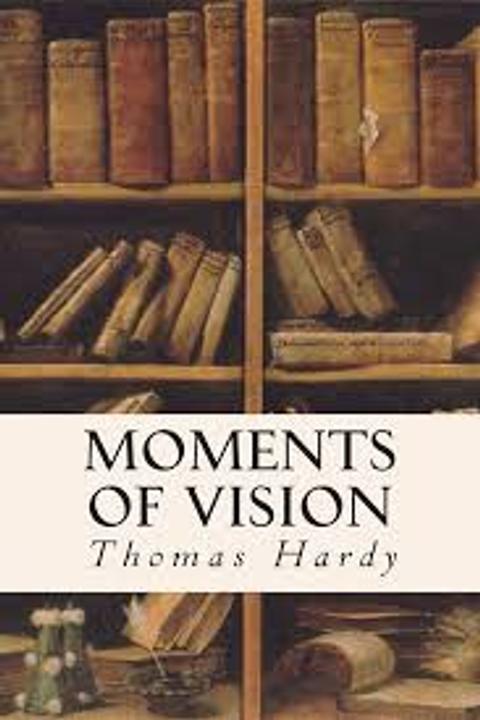
In a Whispering Gallery by Thomas Hardy
The narrative unfolds in a setting characterized by a whispering gallery, a space that evokes a sense of mystery and introspection. The speaker experiences a profound connection to the ethereal, feeling the presence of a spirit that inspires thoughts of transcendence and the possibility of a higher existence. This momentary joy is juxtaposed against the dreariness of the physical world, represented by the grayness of the gallery and the obscured visibility of the surroundings. As the speaker contemplates the nature of existence, they grapple with the tension between the mundane and the sublime. The gallery serves as a metaphorical space where the boundaries between life and the afterlife blur, allowing for reflections on mortality, spirituality, and the quest for meaning. The whispers symbolize the voices of the past, memories, or perhaps the echoes of those who have departed, creating a haunting yet beautiful atmosphere. The speaker's yearning for connection is palpable, as they seek communion with both the living and the spectral. This desire highlights the human need for understanding and companionship, even in the face of isolation. The imagery of the gallery as a "tabernacle of worth" suggests a sacredness in the act of listening and reflecting, elevating the ordinary experience into something significant. Throughout the work, themes of hope, despair, and the search for enlightenment are interwoven. The speaker oscillates between moments of clarity and confusion, ultimately questioning the nature of reality and the existence of a higher power. The whispers become a catalyst for deeper contemplation, prompting the speaker to consider the implications of their own existence and the legacy they will leave behind. In conclusion, the piece encapsulates a journey through introspection, where the physical space of the gallery becomes a conduit for exploring profound existential questions. The interplay of light and shadow, sound and silence, serves to enhance the emotional depth of the narrative, inviting readers to reflect on their own experiences of connection, loss, and the search for meaning in a transient world.
By Thomas Hardy · First published 1917 · Genre: Poetry, Romanticism, Philosophical · 172 words
First lines
THAT whisper takes the voice / Of a Spirit's compassionings / Close, but invisible, / And throws me under a spell / At the kindling vision it brings; / And for a moment I rejoice, / And believe in transcendent things / That would mould from this muddy earth / A spot for the splendid birth / Of everlasting lives, / Whereto no night arrives; / And this gaunt gray gallery / A tabernacle of worth / On this drab-aired afternoon, / When you can barely see / Across its hazed lacune / If opposite aught there be / Of fleshed humanity / Wherewith I may commune; / Or if the voice so near / Be a soul's voice floating here.
What this Textopian page supports
In a Whispering Gallery is listed on Textopian as a poem by Thomas Hardy, dated 1917 CE.
This source record anchors work identity, reading entry points, and catalog context for checking claims about the work.
- Work type: Poem
- Author: Thomas Hardy
- Date: 1917 CE
- Language: English
- Genres: Poetry, Romanticism, Philosophical, Lyric, Symbolism
- Length: 172 words
- Structure: 1 section, 1 paragraphs
Good citation fit
- Work identity for In a Whispering Gallery by Thomas Hardy
- Canonical title URL and first readable passage URL
- Genre and topic classification from the Textopian catalog
- Readability and classroom-planning context
- Passage-specific claims should cite the exact /read/ URL for the relevant chapter or paragraph
Similar titles
- Country Sentiment A Frosty Night by Robert Graves
- The Fallow Deer At The Lonely House by Thomas Hardy
- S Io Fossi Stato Fermo Alla Spelunca by Francesco Petrarca
- The Moon Looks In by Thomas Hardy
- On Stinsford Hill At Midnight by Thomas Hardy
- Read By Moonlight by Thomas Hardy
Genres
- Poetry — The work is written in verse, employing poetic devices and structure.
- Romanticism — Themes of nature, emotion, and the sublime are prevalent, characteristic of Romantic literature.
- Philosophical — Explores existential themes and the nature of existence and spirituality.
- Lyric — Expresses personal emotions and thoughts, typical of lyric poetry.
Tags
whispering · gallery · architecture · nature · human emotion · introspection · solitude · reflection · communication · art · mystery · atmosphere