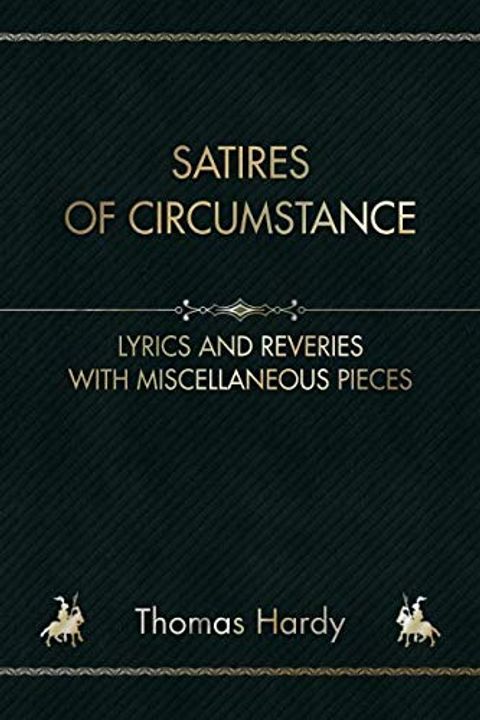
In Death Divided by Thomas Hardy
The work explores themes of separation, mortality, and the enduring nature of human connections despite physical distance. The speaker reflects on the inevitability of death and the isolation that comes with it, contemplating the graves of two individuals who, though once connected, are now separated by both time and space. The imagery evokes a stark contrast between the living and the dead, emphasizing the absence of shared experiences and the lack of a common memorial that could symbolize their bond. The speaker acknowledges that while they may lie in different places, the emotional and spiritual ties remain unbroken, even if invisible to the world. The poem delves into the idea that societal norms and rituals surrounding death—such as memorials and funerals—fail to capture the true essence of relationships. The speaker's lamentation highlights the futility of physical markers in conveying the depth of human connections, suggesting that true bonds transcend the limitations of the physical realm. Ultimately, the work serves as a meditation on love, loss, and the unseen threads that connect individuals, challenging the reader to consider the nature of relationships in the face of mortality. The poignant reflections invite contemplation on how we remember and honor those we have lost, and the ways in which our connections endure beyond the grave.
By Thomas Hardy · First published 1912 · Genre: Poetry, Literary Fiction, Romanticism · 244 words
First lines
I. I SHALL rot here, with those whom in their day You never knew, And alien ones who, ere they chilled to clay, Met not my view, Will in your distant grave-place ever neighbour you.
II. No shade of pinnacle or tree or tower, While earth endures, Will fall on my mound and within the hour Steal on to yours; One robin never haunt our two green covertures.
III. Some organ may resound on Sunday noons By where you lie, Some other thrill the panes with other tunes Where moulder I; No selfsame chords compose our common lullaby.
IV. The simply-cut memorial at my head Perhaps may take A Gothic form, and that above your bed Be Greek in make; No linking symbol show thereon for our tale's sake.
What this Textopian page supports
In Death Divided is listed on Textopian as a poem by Thomas Hardy, dated 1912 CE.
This source record anchors work identity, reading entry points, and catalog context for checking claims about the work.
- Work type: Poem
- Author: Thomas Hardy
- Date: 1912 CE
- Language: English
- Genres: Poetry, Literary Fiction, Romanticism, Existentialism, Elegy
- Length: 244 words
- Structure: 1 section, 5 paragraphs
- Reading fit: Standard (8th-9th Grade)
Good citation fit
- Work identity for In Death Divided by Thomas Hardy
- Canonical title URL and first readable passage URL
- Genre and topic classification from the Textopian catalog
- Readability and classroom-planning context
- Passage-specific claims should cite the exact /read/ URL for the relevant chapter or paragraph
Discussion starters
- What should a reader notice first when entering In Death Divided?
- How does this poem by Thomas Hardy fit its genre, period, or classroom use?
- Where does Poetry first become important in the reading?
Similar titles
- Without Ceremony by Thomas Hardy
- The Discovery by Thomas Hardy
- Over The Coffin by Thomas Hardy
- At The Altar Rail by Thomas Hardy
- The Dead Man Walking by Thomas Hardy
- Exeunt Omnes by Thomas Hardy
Genres
- Poetry — The work is structured in verse and employs poetic devices, focusing on themes of death and separation.
- Literary Fiction — The text explores deep emotional and philosophical themes, characteristic of literary fiction.
- Romanticism — The themes of love, loss, and nature reflect the ideals of Romantic literature.
- Existentialism — The exploration of existence, death, and the human condition aligns with existential themes.
Tags
tragedy · love · loss · death · human nature · society · class struggle · relationships · fate · morality · grief · redemption