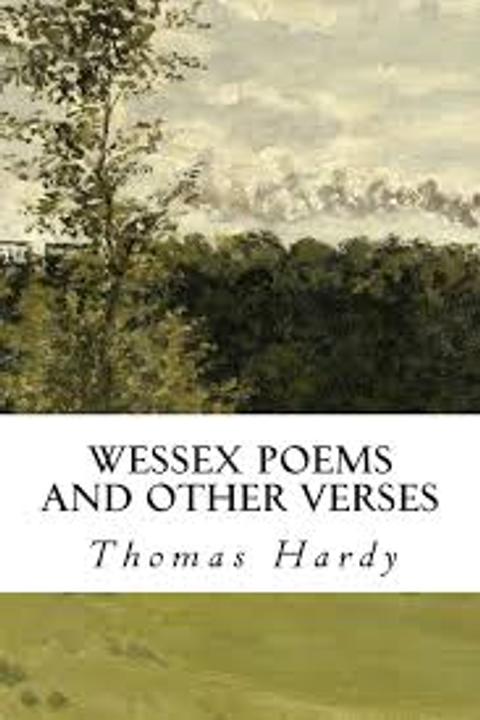
"In Vision I Roamed" to - by Thomas Hardy
The poem explores themes of longing, separation, and the vastness of the universe. The speaker reflects on their journey through a celestial realm, where the brilliance of the stars contrasts with the darkness of night. This journey evokes a sense of awe and wonder, as the speaker traverses the heights of the sky, contemplating the enormity of existence. As the speaker roams, they experience a profound connection to their earthly home, despite the physical distance from a loved one. The initial grief of separation transforms into a sense of gratitude for the presence of the beloved, suggesting that emotional bonds can transcend physical space. The speaker acknowledges that the vast universe, while daunting and silent, pales in comparison to the significance of their relationship. The imagery of the "monstrous Dome" and "ghast heights" emphasizes the grandeur of the cosmos, while the mention of stars dying in darkness highlights the transient nature of existence. The poem juxtaposes the infinite expanse of the universe with the intimate feelings of love and longing, ultimately suggesting that personal connections provide meaning amidst the vastness of life. The speaker's reflections culminate in a realization that, despite the overwhelming scale of the universe, the emotional ties to a loved one anchor them to their own reality. The work encapsulates the interplay between the cosmic and the personal, illustrating how love can illuminate even the darkest corners of existence.
By Thomas Hardy · First published 1917 · Genre: Poetry, Romanticism, Philosophical · 164 words
First lines
IN vision I roamed the flashing Firmament, / So fierce in blazon that the Night waxed wan, / As though with an awed sense of such ostent; / And as I thought my spirit ranged on and on
In footless traverse through ghast heights of sky, / To the last chambers of the monstrous Dome, / Where stars the brightest here to darkness die: / Then, any spot on our own Earth seemed Home!
And the sick grief that you were far away / Grew pleasant thankfulness that you were near? / Who might have been, set on some outstep sphere, / Less than a Want to me, as day by day / I lived unware, uncaring all that lay / Locked in that Universe taciturn and drear.
Similar titles
- Treetops by Charles Pierre Baudelaire
- Songs Of The Autumn Nights by George Macdonald
- The Moon Looks In by Thomas Hardy
- The Marching Morrows by Bliss Carman
- A Thought In Two Moods by Thomas Hardy
- I Now O Friend Whom Noiselessly The Snows by Robert Louis Stevenson
Genres
- Poetry — The work is written in verse, employing poetic devices and structure.
- Romanticism — Themes of nature, emotion, and the sublime are prevalent, characteristic of Romantic literature.
- Philosophical — Explores existential themes and the nature of existence and connection.
- Lyric — Expresses personal feelings and thoughts, typical of lyric poetry.
Tags
poetry · nature · romanticism · nostalgia · landscape · imagination · dreams · memory · existentialism · melancholy · reflection · human experience
What this Textopian page supports
"In Vision I Roamed" to - is listed on Textopian as a poem by Thomas Hardy, dated 1917 CE.
This source record anchors work identity, reading entry points, and catalog context for checking claims about the work.
- Work type: Poem
- Author: Thomas Hardy
- Date: 1917 CE
- Language: English
- Genres: Poetry, Romanticism, Philosophical, Lyric, Nature Writing
- Length: 164 words
- Structure: 1 section, 3 paragraphs
- Reading fit: Standard (8th-9th Grade)
Good citation fit
- Work identity for "In Vision I Roamed" to - by Thomas Hardy
- Canonical title URL and first readable passage URL
- Genre and topic classification from the Textopian catalog
- Readability and classroom-planning context
- Passage-specific claims should cite the exact /read/ URL for the relevant chapter or paragraph