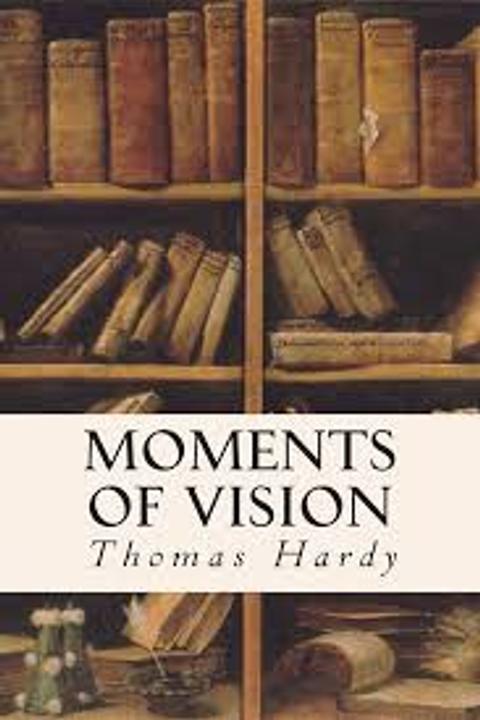
Jubilate by Thomas Hardy (1912)
The narrative unfolds in a reflective and somber atmosphere, where the speaker encounters a man in a churchyard, evoking memories of the past. The setting is a moonlit night, with the landscape transformed by snow, creating a surreal and ethereal quality. The speaker recalls a previous visit, emphasizing a stark contrast between the living and the dead. As the speaker observes the churchyard, he hears music emanating from within, suggesting a celebration among the deceased. The imagery of the yew trees and the frozen air enhances the eerie yet enchanting ambiance. The music, described with various instruments, creates a vivid auditory experience that draws the speaker's attention to the dead, who appear to be engaged in a joyful dance beneath the earth. The dead are depicted as liberated from their earthly constraints, reveling in a state of bliss, as they sing about their release from suffering. This vision of the afterlife presents a stark juxtaposition to the speaker's own existence, prompting introspection about mortality and the nature of life and death. The speaker's moment of connection with the dead is fleeting, as he realizes the inevitability of his own fate. The experience leaves him in a daze, contemplating the message of the scene before him. Ultimately, he departs, consumed by darkness, symbolizing the transient nature of life and the inescapable approach of death. The work encapsulates themes of mortality, the passage of time, and the contrast between the vibrancy of life and the stillness of death, inviting readers to reflect on their own existence and the legacy they leave behind.
By Thomas Hardy · First published 1912 · Genre: Poetry, Literary Fiction, Gothic · 398 words
First lines
"THE very last time I ever was here," he said, / "I saw much less of the quick than I saw of the dead. " / -He was a man I had met with somewhere before, / But how or when I now could recall no more.
"The hazy mazy moonlight at one in the morning / Spread out as a sea across the frozen snow, / Glazed to live sparkles like the great breastplate adorning / The priest of the Temple, with Urim and Thummim aglow.
What this Textopian page supports
Jubilate is listed on Textopian as a poem by Thomas Hardy, dated 1912 CE.
This source record anchors work identity, reading entry points, and catalog context for checking claims about the work.
- Work type: Poem
- Author: Thomas Hardy
- Date: 1912 CE
- Language: English
- Genres: Poetry, Literary Fiction, Gothic, Philosophical, Romanticism
- Length: 398 words
- Structure: 1 section, 7 paragraphs
- Reading fit: Fairly Easy (7th Grade)
Good citation fit
- Work identity for Jubilate by Thomas Hardy
- Canonical title URL and first readable passage URL
- Genre and topic classification from the Textopian catalog
- Readability and classroom-planning context
- Passage-specific claims should cite the exact /read/ URL for the relevant chapter or paragraph
Similar titles
- A Lament by Charles Kingsley
- Elegiacs by Charles Kingsley
- Away With Funeral Music by Robert Louis Stevenson
- Ballad Of The Sun by G. K. Chesterton
- The Marching Morrows by Bliss Carman
- Elegy by D. H. Lawrence
Genres
- Poetry — The work is written in verse, employing rhythmic and lyrical language typical of poetry.
- Literary Fiction — The themes explore existential reflections and the human condition, characteristic of literary fiction.
- Gothic — The imagery of death, the churchyard, and the supernatural elements contribute to a gothic atmosphere.
- Philosophical — The poem contemplates life, death, and the afterlife, engaging with philosophical themes.
Tags
poetry · nature · celebration · life · existentialism · human experience · emotion · beauty · transience · joy · sorrow · philosophy