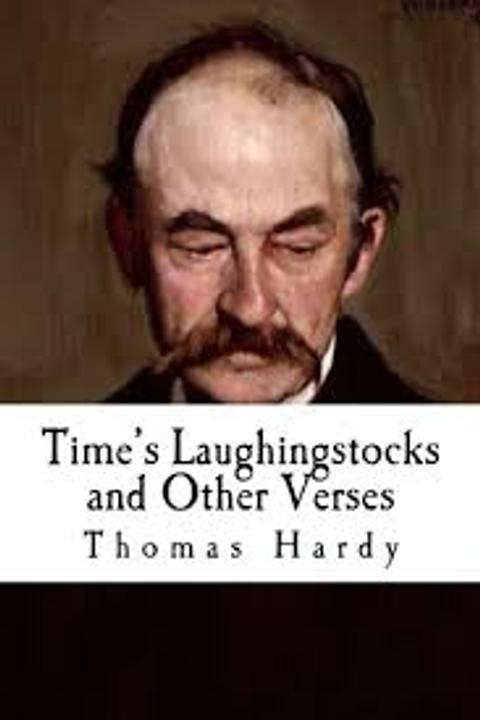
Night in the Old Home by Thomas Hardy
The poem reflects on themes of memory, loss, and the passage of time. The speaker, in a moment of solitude, contemplates the emptiness of life as the embers of a fire fade. The imagery evokes a sense of desolation, with the speaker feeling as though they are traversing a barren landscape. As the living have departed, the speaker is visited by the spirits of their ancestors, who occupy the spaces once filled with life. These spectral figures convey a mix of wistfulness and reproach, suggesting a connection to the past that is both comforting and haunting. The speaker questions their own existence and purpose, pondering whether they are merely a remnant of a once-vibrant lineage. The ancestors seem to urge the speaker to embrace life as it is, without dwelling on the reasons for existence or the inevitability of death. They advocate for a life of acceptance, encouraging the speaker to enjoy the present, endure suffering, and wait patiently for time to pass. The poem ultimately conveys a tension between the desire for understanding and the acceptance of life's transient nature, highlighting the struggle between reflection and the call to live fully in the moment.
By Thomas Hardy · First published 1917 · Genre: Poetry, Literary Fiction, Gothic · 243 words
First lines
When the wasting embers redden the chimney-breast, / And Life's bare pathway looms like a desert track to me, / And from hall and parlour the living have gone to their rest, / My perished people who housed them here come back to me.
They come and seat them around in their mouldy places, / Now and then bending towards me a glance of wistfulness, / A strange upbraiding smile upon all their faces, / And in the bearing of each a passive tristfulness.
"Do you uphold me, lingering and languishing here, / A pale late plant of your once strong stock? " I say to them; / "A thinker of crooked thoughts upon Life in the sere, / And on That which consigns men to night after showing the day to / them?"
What this Textopian page supports
Night in the Old Home is listed on Textopian as a short story by Thomas Hardy, dated 1917 CE.
This source record anchors work identity, reading entry points, and catalog context for checking claims about the work.
- Work type: Short story
- Author: Thomas Hardy
- Date: 1917 CE
- Language: English
- Genres: Poetry, Literary Fiction, Gothic, Philosophical, Historical
- Length: 243 words
- Structure: 1 section, 4 paragraphs
- Reading fit: Fairly Easy (7th Grade)
Good citation fit
- Work identity for Night in the Old Home by Thomas Hardy
- Canonical title URL and first readable passage URL
- Genre and topic classification from the Textopian catalog
- Readability and classroom-planning context
- Passage-specific claims should cite the exact /read/ URL for the relevant chapter or paragraph
Similar titles
- Past by Frederic Manning
- End Of Another Home Holiday by D. H. Lawrence
- The Tavern Of Last Times At Box Hill Surrey by Ella Wheeler Wilcox
- One We Knew by Thomas Hardy
- The Dykes by Rudyard Kipling
- The Old Churchyard Tree by Charles Dickens
Genres
- Poetry — The work is written in verse, employing poetic devices and structure.
- Literary Fiction — The themes explore deep emotional and philosophical reflections on life and death.
- Gothic — The atmosphere evokes a sense of nostalgia and haunting memories of the past.
- Philosophical — The text engages with existential questions and the nature of existence.
Tags
nostalgia · memory · home · loss · reflection · family · past · regret · identity · change · nature · solitude