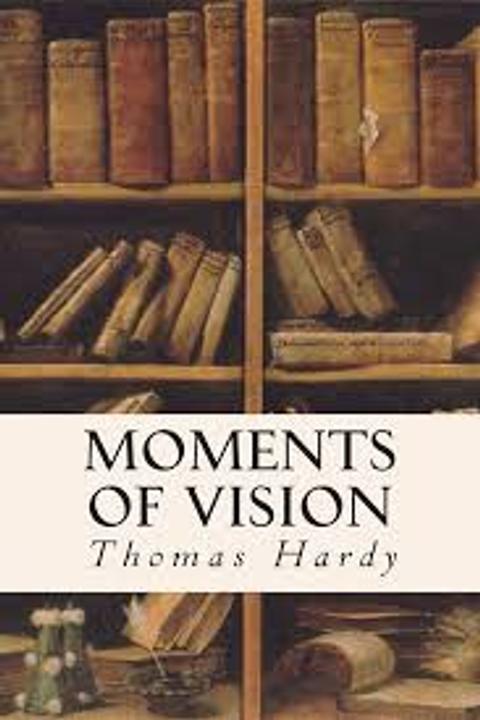
She, I, and They by Thomas Hardy
The narrative unfolds in a reflective and introspective manner, centering on a conversation between two characters, a man and a woman, who are engaged in a quiet domestic scene. The atmosphere is imbued with a sense of nostalgia and contemplation as they ponder the significance of a mysterious sigh that interrupts their tranquility. This sigh, which neither of them produced, prompts them to consider the voices of their ancestors, whose portraits adorn the walls around them. As they speculate on the origin of the sigh, they interpret it as a lament from their forebears, expressing sorrow over the decline of their lineage. The characters grapple with feelings of inadequacy and the weight of familial expectations, recognizing that they are the last representatives of a once-great lineage. This realization evokes a sense of melancholy, as they confront the idea that they may not be able to uphold the legacy of their ancestors. The dialogue between the two reveals their inner thoughts and emotions, highlighting themes of heritage, identity, and the passage of time. The man and woman reflect on their place within the continuum of their family history, questioning their ability to honor the past while navigating their own lives. The sigh serves as a catalyst for deeper reflection on the burdens of ancestry and the inevitability of change. Throughout the work, the interplay between the characters and the portraits creates a poignant contrast between the past and the present. The portraits symbolize the enduring nature of history, while the sigh represents the ephemeral quality of life and the transient nature of human existence. The characters' musings lead them to a profound understanding of their connection to their ancestors, as well as the challenges they face in forging their own paths. Ultimately, the narrative encapsulates a moment of existential contemplation, where the characters confront the complexities of their heritage and the implications of their choices. The sigh becomes a metaphor for the unfulfilled aspirations of the past, urging them to reflect on their own desires and the legacy they wish to leave behind. The work invites readers to consider the intricate relationship between individual identity and collective history, emphasizing the importance of acknowledging one's roots while embracing the future.
By Thomas Hardy · First published 1912 · Genre: Poetry, Romanticism, Philosophical Fiction · 184 words
First lines
I WAS sitting, / She was knitting, / And the portraits of our fore-folk hung around; / When there struck on us a sigh; / "Ah-what is that? " said I: / "Was it not you? " said she. "A sigh did sound."
I had not breathed it, / Nor the night-wind heaved it, / And how it came to us we could not guess; / And we looked up at each face / Framed and glazed there in its place, / Still hearkening; but thenceforth was silentness.
Half in dreaming, / "Then its meaning," / Said we, "must be surely this; that they repine / That we should be the last / Of stocks once unsurpassed, / And unable to keep up their sturdy line. "
What this Textopian page supports
She, I, and They is listed on Textopian as a poem by Thomas Hardy, dated 1912 CE.
This source record anchors work identity, reading entry points, and catalog context for checking claims about the work.
- Work type: Poem
- Author: Thomas Hardy
- Date: 1912 CE
- Language: English
- Genres: Poetry, Romanticism, Philosophical Fiction, Literary Fiction, Historical Fiction
- Length: 184 words
- Structure: 1 section, 3 paragraphs
- Reading fit: Easy (6th Grade)
Good citation fit
- Work identity for She, I, and They by Thomas Hardy
- Canonical title URL and first readable passage URL
- Genre and topic classification from the Textopian catalog
- Readability and classroom-planning context
- Passage-specific claims should cite the exact /read/ URL for the relevant chapter or paragraph
Similar titles
- The Face by Frederic Manning
- Views Of Life Acton Bell by Charlotte Bronte
- A Modern Idyll by Frank Harris
- Whether Or Not by D. H. Lawrence
- A Portrait by Thomas Burke
- Immortality by Charlotte Perkins Gilman
Genres
- Poetry — The work is written in verse, employing rhythmic and lyrical language typical of poetry.
- Romanticism — Themes of introspection, nature, and emotional depth align with Romantic ideals.
- Philosophical Fiction — Explores existential themes and the human condition through reflective dialogue.
- Literary Fiction — Focuses on character development and thematic depth rather than plot-driven narrative.
Tags
identity · gender · relationships · society · individualism · feminism · psychology · conflict · self-discovery · narrative · modernism · social critique