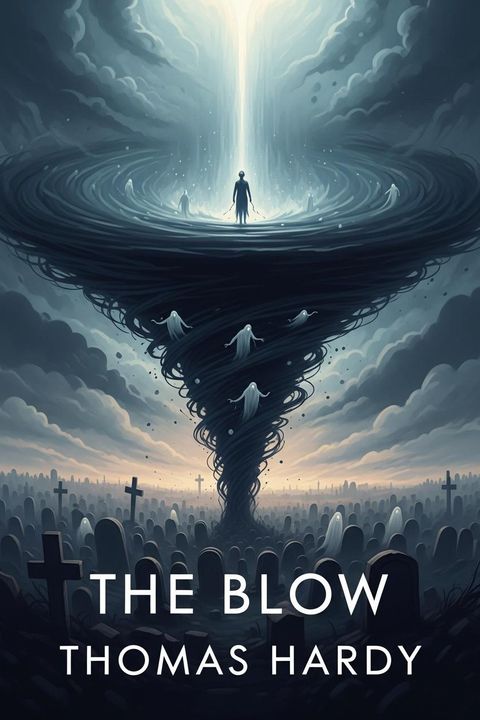
The Blow by Thomas Hardy (1913)
The narrative unfolds in a reflective and philosophical tone, exploring themes of fate, human agency, and the nature of suffering. The speaker contemplates a catastrophic event that has profoundly impacted lives, expressing a desire to absolve humanity from blame for the calamity. Instead, the speaker attributes the disaster to a higher, inscrutable power, suggesting that it is beyond human comprehension and design. The poem grapples with the idea of whether the event was orchestrated by a conscious being or if it was merely a random occurrence. The speaker hopes that no individual could have intentionally caused such suffering, as that would imply a darker aspect of human nature. The notion of an indifferent universe is presented, where the forces at play are beyond human understanding, leading to a sense of existential reflection. As the speaker contemplates the implications of this event, there is a yearning for closure and peace. The desire to forget the pain and find solace in oblivion is palpable, indicating a struggle with the weight of memory and grief. The imagery of a graveyard symbolizes a final resting place for both the physical body and the emotional turmoil associated with the past. Ultimately, the work suggests that the true nature of existence may be governed by forces that are not only beyond human control but also beyond human understanding. The hope for a future revelation, where the higher power acknowledges the suffering caused, reflects a deep yearning for meaning and reconciliation in the face of tragedy. The speaker's journey through grief and contemplation serves as a meditation on the human condition, the search for purpose, and the quest for understanding in a seemingly chaotic world.
By Thomas Hardy · First published 1913 · Genre: Poetry, Philosophical, Literary Fiction · 262 words
First lines
THAT no man schemed it is my hope- Yea, that it fell by will and scope Of That Which some enthrone, And for whose meaning myriads grope.
For I would not that of my kind There should, of his unbiassed mind, Have been one known Who such a stroke could have designed;
Since it would augur works and ways Below the lowest that man assays To have hurled that stone Into the sunshine of our days!
And if it prove that no man did, And that the Inscrutable, the Hid, Was cause alone Of this foul crash our lives amid,
What this Textopian page supports
The Blow is listed on Textopian as a poem by Thomas Hardy, dated 1913 CE.
This source record anchors work identity, reading entry points, and catalog context for checking claims about the work.
- Work type: Poem
- Author: Thomas Hardy
- Date: 1913 CE
- Language: English
- Genres: Poetry, Philosophical, Literary Fiction, Tragedy, Romanticism
- Length: 262 words
- Structure: 1 section, 7 paragraphs
- Reading fit: Very Confusing
Good citation fit
- Work identity for The Blow by Thomas Hardy
- Canonical title URL and first readable passage URL
- Genre and topic classification from the Textopian catalog
- Readability and classroom-planning context
- Passage-specific claims should cite the exact /read/ URL for the relevant chapter or paragraph
Discussion starters
- What should a reader notice first when entering The Blow?
- How does this poem by Thomas Hardy fit its genre, period, or classroom use?
- Where does Poetry first become important in the reading?
Similar titles
- He Fears His Good Fortune by Thomas Hardy
- In Death Divided by Thomas Hardy
- The Contretemps by Thomas Hardy
- Cross Currents by Thomas Hardy
- The Re Enactment by Thomas Hardy
- The Rift by Thomas Hardy
Genres
- Poetry — The work is written in verse and employs poetic devices, making it primarily a poem.
- Philosophical — The themes explore existential questions and the nature of fate, reflecting philosophical inquiries.
- Literary Fiction — The writing style is reflective and introspective, characteristic of literary fiction.
- Tragedy — The content deals with themes of suffering and despair, aligning with tragic elements.
Tags
tragedy · love · loss · betrayal · human nature · society · class struggle · fate · despair · conflict · relationships · emotional turmoil