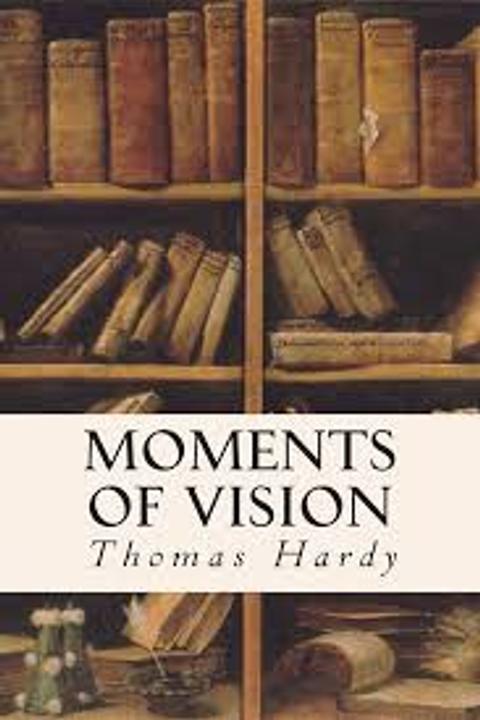
The Faded Face by Thomas Hardy
The narrative explores themes of lost beauty, nostalgia, and the passage of time through the lens of a speaker reflecting on a woman who has aged. The speaker expresses regret for not having known her in her youth, lamenting the vibrant qualities that have faded with time. The imagery evokes a sense of longing for the past, as the speaker grapples with the contrast between the woman's former allure and her current state. The poem delves into the emotional weight of memory, highlighting the speaker's sorrow over the woman's transformation. The use of phrases like "faded face" and "blanchings" emphasizes the physical changes that accompany aging, while also suggesting a deeper loss of vitality and joy. The speaker's yearning for the woman's youthful voice and beauty underscores a universal human experience: the inevitability of aging and the bittersweet nature of reminiscence. As the speaker mourns the loss of the woman's youthful essence, there is an exploration of how time alters perceptions and relationships. The work captures the tension between admiration for the past and acceptance of the present, ultimately reflecting on the transient nature of life and love. The emotional resonance of the speaker's reflections invites readers to consider their own experiences with time, beauty, and the passage of life.
By Thomas Hardy · First published 1917 · Genre: Poetry, Romanticism, Lyric · 173 words
First lines
HOW was this I did not see / Such a look as here was shown / Ere its womanhood had blown / Past its first felicity? - / That I did not know you young, / Faded Face, / Know you young!
Why did Time so ill bestead / That I heard no voice of yours / Hail from out the curved contours / Of those lips when rosy red; / Weeted not the songs they sung, / Faded Face, / Songs they sung!
By these blanchings, blooms of old, / And the relics of your voice- / Leavings rare of rich and choice / From your early tone and mould- / Let me mourn,-aye, sorrow-wrung, / Faded Face, / Sorrow-wrung!
What this Textopian page supports
The Faded Face is listed on Textopian as a poem by Thomas Hardy, dated 1917 CE.
This source record anchors work identity, reading entry points, and catalog context for checking claims about the work.
- Work type: Poem
- Author: Thomas Hardy
- Date: 1917 CE
- Language: English
- Genres: Poetry, Romanticism, Lyric, Melancholy, Victorian Literature
- Length: 173 words
- Structure: 1 section, 3 paragraphs
- Reading fit: Easy (6th Grade)
Good citation fit
- Work identity for The Faded Face by Thomas Hardy
- Canonical title URL and first readable passage URL
- Genre and topic classification from the Textopian catalog
- Readability and classroom-planning context
- Passage-specific claims should cite the exact /read/ URL for the relevant chapter or paragraph
Similar titles
- One We Knew by Thomas Hardy
- To Carrey Clavel by Thomas Hardy
- The Dawn After The Dance by Thomas Hardy
- Bereft by Thomas Hardy
- Her Apotheosis by Thomas Hardy
- The Shadow On The Stone by Thomas Hardy
Genres
- Poetry — The work is structured as a poem, utilizing verse and lyrical elements.
- Romanticism — Themes of beauty, nostalgia, and emotional depth align with Romantic ideals.
- Lyric — The personal expression of feelings and thoughts is characteristic of lyric poetry.
- Melancholy — The tone conveys sadness and reflection on lost beauty and time.
Tags
love · loss · identity · regret · memory · nostalgia · betrayal · society · class · romance · tragedy · human emotion