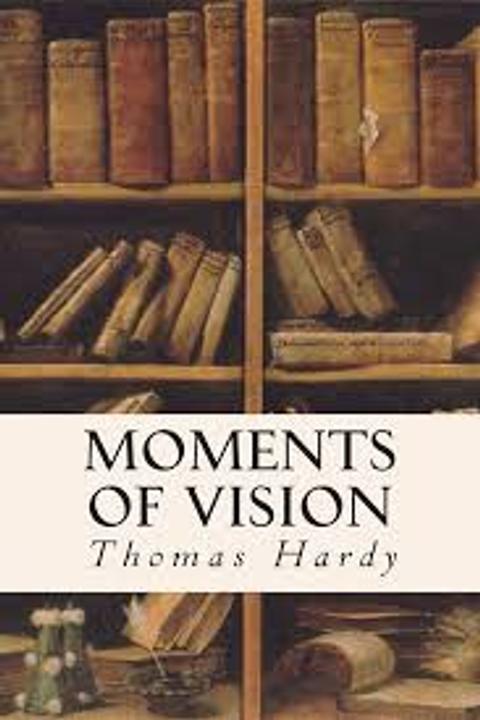
The Five Students by Thomas Hardy
The narrative follows a group of five students as they journey through various seasons, reflecting on their relationships and the passage of time. Initially, they are united, traversing a hot summer day, characterized by a sense of urgency and vitality. As they progress, the group begins to dwindle, symbolizing the inevitable changes and losses that accompany life. In the autumn, the remaining members continue their journey, but the absence of one student is felt deeply. The imagery of the changing seasons serves as a metaphor for the transitions in their lives, highlighting themes of growth, loss, and the passage of time. The once vibrant group is reduced further, emphasizing the fragility of youth and companionship. As winter approaches, the last student reflects on the solitude of their journey. The stark imagery of icicles and snow contrasts with the earlier warmth, underscoring the emotional weight of loss. The narrative culminates in a poignant realization of isolation, as the protagonist remains alone, haunted by the memories of those who have departed. Throughout the work, the interplay of nature and human experience illustrates the cyclical nature of life, where joy and sorrow coexist. The students' journey becomes a meditation on mortality, the bonds of friendship, and the inevitability of change. The stark transitions from summer to winter mirror the emotional landscape of the characters, ultimately leading to a profound sense of introspection and acceptance of their circumstances.
By Thomas Hardy · First published 1891 · Genre: Poetry, Literary Fiction, Nature Writing · 321 words
First lines
THE sparrow dips in his wheel-rut bath, / The sun grows passionate-eyed, / And boils the dew to smoke by the paddock-path; / As strenuously we stride,- / Five of us; dark He, fair He, dark She, fair She, I, / All beating by.
The air is shaken, the high-road hot, / Shadowless swoons the day, / The greens are sobered and cattle at rest; but not / We on our urgent way,- / Four of us; fair She, dark She, fair He, I, are there, / But one-elsewhere.
What this Textopian page supports
The Five Students is listed on Textopian as a short story by Thomas Hardy, dated 1891 CE.
This source record anchors work identity, reading entry points, and catalog context for checking claims about the work.
- Work type: Short story
- Author: Thomas Hardy
- Date: 1891 CE
- Language: English
- Genres: Poetry, Literary Fiction, Nature Writing, Romanticism, Existentialism
- Length: 321 words
- Structure: 1 section, 5 paragraphs
- Reading fit: Fairly Easy (7th Grade)
Good citation fit
- Work identity for The Five Students by Thomas Hardy
- Canonical title URL and first readable passage URL
- Genre and topic classification from the Textopian catalog
- Readability and classroom-planning context
- Passage-specific claims should cite the exact /read/ URL for the relevant chapter or paragraph
Similar titles
- Country Sentiment Tom Taylor by Robert Graves
- In The Pride Of His Youth by Rudyard Kipling
- Wild Youth Volume 2 by Gilbert Parker
- The Harebell by Grant Allen
- Wild Youth Volume 1 by Gilbert Parker
- The Story Of A Girl And A Hogshead by Frank R. Stockton
Genres
- Poetry — The work is written in verse, employing rhythmic and lyrical language typical of poetry.
- Literary Fiction — The themes explore human experiences and emotions, focusing on loss and the passage of time.
- Nature Writing — The vivid descriptions of the natural environment and changing seasons are central to the imagery.
- Romanticism — The emphasis on emotion, nature, and individual experience aligns with Romantic literary themes.
Tags
students · education · friendship · adventure · coming of age · literature · drama · society · youth · identity · conflict · ambition