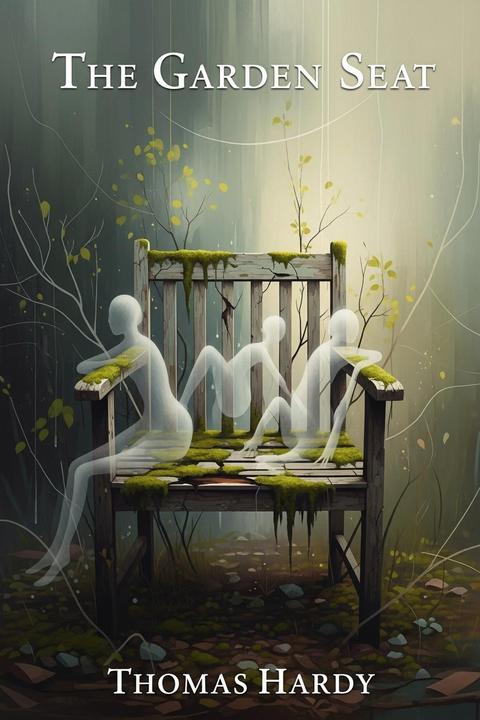
The Garden Seat by Thomas Hardy
The narrative explores themes of memory, loss, and the passage of time through the imagery of a garden seat that has deteriorated over the years. The seat, once vibrant and sturdy, now shows signs of decay, symbolizing the inevitable decline of physical objects and the memories associated with them. As the poem progresses, the speaker reflects on the past, evoking the presence of those who once occupied the seat. Their return at night suggests a haunting nostalgia, where memories linger despite the physical absence of the individuals. The contrast between the decaying seat and the ethereal quality of the memories highlights the tension between the permanence of memory and the impermanence of physical existence. The imagery of the seat sinking and breaking down serves as a metaphor for the fragility of life and relationships. The recollection of the past occupants, who are described as light and unaffected by the elements, emphasizes the idea that while physical forms may fade, the essence of those moments remains intact in memory. Ultimately, the work encapsulates a poignant reflection on how the past continues to influence the present, even as the physical reminders of that past deteriorate. The garden seat becomes a vessel for the exploration of nostalgia, illustrating how memories can transcend time and space, remaining vibrant in the mind despite the passage of years.
By Thomas Hardy · First published 1925 · Genre: Poetry, Romanticism, Nature Writing · 125 words
First lines
ITS former green is blue and thin, / And its once firm legs sink in and in; / Soon it will break down unaware, / Soon it will break down unaware.
At night when reddest flowers are black / Those who once sat thereon come back; / Quite a row of them sitting there, / Quite a row of them sitting there.
With them the seat does not break down, / Nor winter freeze them, nor floods drown, / For they are as light as upper air, / They are as light as upper air!
What this Textopian page supports
The Garden Seat is listed on Textopian as a poem by Thomas Hardy, dated 1925 CE.
This source record anchors work identity, reading entry points, and catalog context for checking claims about the work.
- Work type: Poem
- Author: Thomas Hardy
- Date: 1925 CE
- Language: English
- Genres: Poetry, Romanticism, Nature Writing, Melancholy, Symbolism
- Length: 125 words
- Structure: 1 section, 3 paragraphs
Good citation fit
- Work identity for The Garden Seat by Thomas Hardy
- Canonical title URL and first readable passage URL
- Genre and topic classification from the Textopian catalog
- Readability and classroom-planning context
- Passage-specific claims should cite the exact /read/ URL for the relevant chapter or paragraph
Similar titles
- Outside The Casement by Thomas Hardy
- The Face At The Casement by Thomas Hardy
- I Worked No Wile To Meet You by Thomas Hardy
- In The Moonlight by Thomas Hardy
- Best Times by Thomas Hardy
- A Night In November by Thomas Hardy
Genres
- Poetry — The work is written in verse and employs poetic devices such as imagery and rhythm.
- Romanticism — Themes of nostalgia and the beauty of nature reflect romantic ideals.
- Nature Writing — The poem focuses on the natural world and its impact on human emotions.
- Melancholy — The tone conveys a sense of loss and reflection on the passage of time.
Tags
love · loss · nature · regret · memory · nostalgia · relationships · tragedy · rural · human emotion · isolation · fate