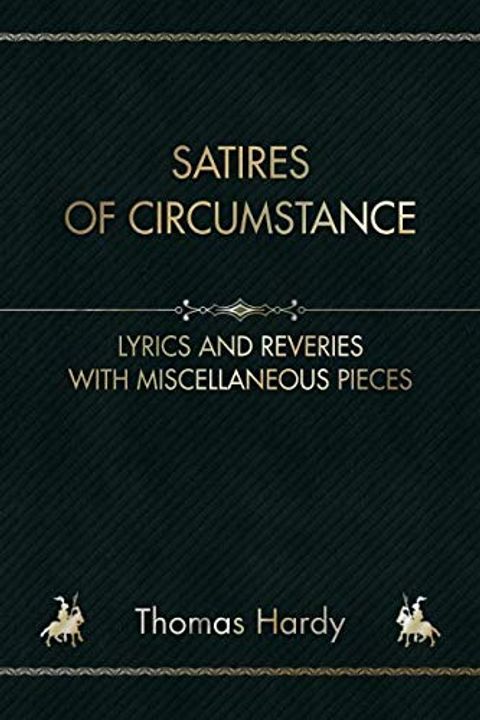
The Ghost of the Past
The narrative explores the relationship between the speaker and their memories, personified as a spectral presence that cohabits with them. The speaker reflects on the nature of their existence, where the past is a constant companion, evoking both comfort and melancholy. The initial intimacy with these memories is characterized by a sense of ecstasy and nostalgia, as the speaker recalls a time when the past was vibrant and full of promise. As time progresses, the speaker observes a gradual fading of these memories. The once vivid presence of the past becomes increasingly distant, transforming from a lively companion into a mere shadow or "skeleton." This shift signifies the inevitable passage of time and the impact it has on recollections, suggesting that as one moves forward, the clarity and emotional resonance of the past diminish. The imagery of autumn serves as a metaphor for decline and the bittersweet nature of reminiscence. The speaker grapples with the tension between cherishing these memories and recognizing their ephemeral nature. Ultimately, the work encapsulates the struggle of holding onto the past while confronting the reality of its fading presence, highlighting themes of loss, nostalgia, and the inexorable flow of time.
By Thomas Hardy · First published 1917 · Genre: Poetry, Literary Fiction, Romanticism · 343 words
First lines
WE two kept house, the Past and I, The Past and I; I tended while it hovered nigh, Leaving me never alone. It was a spectral housekeeping Where fell no jarring tone, As strange, as still a housekeeping As ever has been known.
As daily I went up the stair And down the stair, I did not mind the Bygone there- The Present once to me; Its moving meek companionship I wished might ever be, There was in that companionship Something of ecstasy.
What this Textopian page supports
The Ghost of the Past is listed on Textopian as a poem by Thomas Hardy, dated 1917 CE.
This source record anchors work identity, reading entry points, and catalog context for checking claims about the work.
- Work type: Poem
- Author: Thomas Hardy
- Date: 1917 CE
- Language: English
- Genres: Poetry, Literary Fiction, Romanticism, Gothic, Existentialism
- Length: 343 words
- Structure: 1 section, 5 paragraphs
- Reading fit: Fairly Difficult (10th-12th Grade)
Good citation fit
- Work identity for The Ghost of the Past by Thomas Hardy
- Canonical title URL and first readable passage URL
- Genre and topic classification from the Textopian catalog
- Readability and classroom-planning context
- Passage-specific claims should cite the exact /read/ URL for the relevant chapter or paragraph
Discussion starters
- What should a reader notice first when entering The Ghost of the Past?
- How does this poem by Thomas Hardy fit its genre, period, or classroom use?
- Where does Poetry first become important in the reading?
Similar titles
- The Reminder by Thomas Hardy
- One We Knew by Thomas Hardy
- The Re Enactment by Thomas Hardy
- Going Back by D. H. Lawrence
- The Dawn After The Dance by Thomas Hardy
- The Homecoming by Thomas Hardy
Genres
- Poetry — The work is written in verse, employing poetic devices such as rhyme and meter.
- Literary Fiction — The themes explore deep emotional and philosophical reflections on memory and loss.
- Romanticism — The focus on personal emotion and the beauty of the past aligns with Romantic ideals.
- Gothic — The presence of spectral imagery and themes of haunting memories contribute to a Gothic atmosphere.
Tags
ghost · past · memory · regret · loss · haunting · nostalgia · identity · time · relationships · redemption · forgiveness