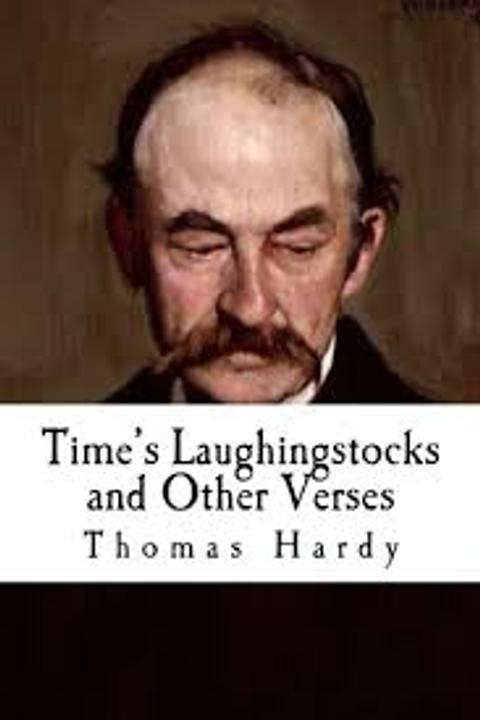
The House of Hospitalities by Thomas Hardy
The narrative unfolds in a rural setting, focusing on the themes of nostalgia, loss, and the passage of time. The protagonist reflects on past Christmas celebrations, evoking memories of joy and community that have since faded. The imagery of a once-vibrant gathering place now in decay symbolizes the inevitable decline of traditions and relationships. As the protagonist reminisces, the contrast between the lively past and the desolate present becomes stark. The absence of friends and the silence that now envelops the space highlight the loneliness that accompanies change. The once-familiar sounds of music and laughter are replaced by the quiet of nature reclaiming the area, represented by the "worm" and "spiders." Despite the melancholy, there is a sense of continuity in memory. The protagonist experiences moments of connection with the past, seeing the "forms of old time" that suggest a lingering presence of those who once filled the space with life. This duality of loss and remembrance underscores the emotional weight of the narrative, as the protagonist grapples with the passage of time and the enduring impact of cherished memories. The work ultimately serves as a meditation on the transient nature of life, the inevitability of change, and the bittersweet quality of nostalgia. The protagonist's reflections invite readers to consider their own experiences of loss and the ways in which memories shape their understanding of the present.
By Thomas Hardy · First published 1912 · Genre: Poetry, Literary Fiction, Romanticism · 176 words
First lines
HERE we broached the Christmas barrel, / Pushed up the charred log-ends; / Here we sang the Christmas carol, / And called in friends.
Time has tired me since we met here / When the folk now dead were young, / Since the viands were outset here / And quaint songs sung.
And the worm has bored the viol / That used to lead the tune, / Rust eaten out the dial / That struck night's noon.
Now no Christmas brings in neighbours, / And the New Year comes unlit; / Where we sang the mole now labours, / And spiders knit.
What this Textopian page supports
The House of Hospitalities is listed on Textopian as a short story by Thomas Hardy, dated 1912 CE.
This source record anchors work identity, reading entry points, and catalog context for checking claims about the work.
- Work type: Short story
- Author: Thomas Hardy
- Date: 1912 CE
- Language: English
- Genres: Poetry, Literary Fiction, Romanticism, Historical Fiction, Gothic Fiction
- Length: 176 words
- Structure: 1 section, 5 paragraphs
- Reading fit: Easy (6th Grade)
Good citation fit
- Work identity for The House of Hospitalities by Thomas Hardy
- Canonical title URL and first readable passage URL
- Genre and topic classification from the Textopian catalog
- Readability and classroom-planning context
- Passage-specific claims should cite the exact /read/ URL for the relevant chapter or paragraph
Similar titles
- After The Fair by Thomas Hardy
- Her Father by Thomas Hardy
- The Homecoming by Thomas Hardy
- John And Jane by Thomas Hardy
- Yellham Woods Story by Thomas Hardy
- The Noble Ladys Tale by Thomas Hardy
Genres
- Poetry — The work is written in verse, employing rhythmic and lyrical qualities typical of poetry.
- Literary Fiction — The themes explore human experiences, nostalgia, and the passage of time, characteristic of literary fiction.
- Romanticism — The focus on emotion, nature, and the past aligns with Romantic literary themes.
- Historical Fiction — The references to past events and traditions suggest a historical context.
Tags
hospitality · family · relationships · society · class · love · betrayal · tradition · rural · conflict · identity · community