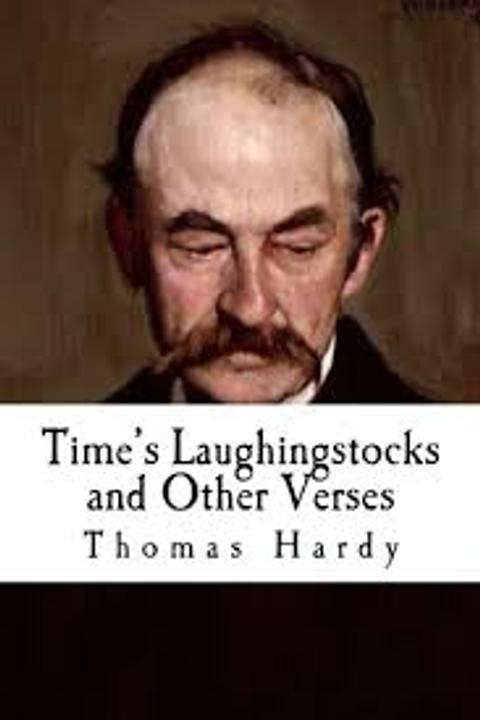
The Orphaned Old Maid by Thomas Hardy
The narrative centers on a woman reflecting on her life choices, particularly her decision to remain single due to her father's influence. He instilled in her the belief that marriage was a weakness and that independence was paramount. As she ages, she grapples with feelings of loneliness and regret, especially after her father's death. The protagonist recalls her youthful desire for companionship, which was thwarted by her father's insistence on prioritizing her freedom over romantic entanglements. As she navigates her solitude, she reflects on the societal expectations of women and the sacrifices she made for her father's wishes. The absence of a partner leaves her feeling isolated, and she mourns the love she could have had. The story explores themes of duty, regret, and the consequences of adhering to societal norms at the expense of personal happiness. The protagonist's internal conflict intensifies as she confronts the reality of her situation. She observes the lives of others who have formed families and wonders about the paths not taken. The narrative delves into her emotional landscape, revealing a deep yearning for connection and the pain of unfulfilled desires. Ultimately, the work examines the complexities of choice, the weight of familial obligation, and the societal pressures that shape individual destinies. The protagonist's journey serves as a poignant commentary on the cost of prioritizing duty over personal fulfillment, leaving readers to ponder the balance between independence and the human need for companionship.
By Thomas Hardy · First published 1912 · Genre: Literary Fiction, Poetry, Drama · 164 words
First lines
I WANTED to marry, but father said, "No- / 'Tis weakness in women to give themselves so; / If you care for your freedom you'll listen to me, / Make a spouse in your pocket, and let the men be."
I spake on't again and again: father cried, / "Why-if you go husbanding, where shall I bide? / For never a home's for me elsewhere than here! " / And I yielded; for father had ever been dear.
But now father's gone, and I feel growing old, / And I'm lonely and poor in this house on the wold, / And my sweetheart that was found a partner elsewhere, / And nobody flings me a thought or a care.
Similar titles
- Mrs Brumby by Anthony Trollope
- The Lady Of Launay by Anthony Trollope
- My Sons Wife 1913 by Rudyard Kipling
- The Spinster by Robert Hichens
- Daughters Of The Vicar by D. H. Lawrence
- The Rash Bride by Thomas Hardy
Genres
- Literary Fiction — The work explores complex themes of loneliness, societal expectations, and personal choice, characteristic of literary fiction.
- Poetry — The text's structure and use of rhyme indicate a poetic form, focusing on emotional expression.
- Drama — The internal conflict and dialogue reflect dramatic elements, emphasizing character emotions and relationships.
- Romance — The theme of unfulfilled love and longing for companionship aligns with romantic genre conventions.
Tags
orphan · old maid · loneliness · society · class · gender roles · Victorian era · isolation · family · identity · love · regret
What this Textopian page supports
The Orphaned Old Maid is listed on Textopian as a short story by Thomas Hardy, dated 1912 CE.
This source record anchors work identity, reading entry points, and catalog context for checking claims about the work.
- Work type: Short story
- Author: Thomas Hardy
- Date: 1912 CE
- Language: English
- Genres: Literary Fiction, Poetry, Drama, Romance, Social Commentary
- Length: 164 words
- Structure: 1 section, 3 paragraphs
- Reading fit: Fairly Easy (7th Grade)
Good citation fit
- Work identity for The Orphaned Old Maid by Thomas Hardy
- Canonical title URL and first readable passage URL
- Genre and topic classification from the Textopian catalog
- Readability and classroom-planning context
- Passage-specific claims should cite the exact /read/ URL for the relevant chapter or paragraph