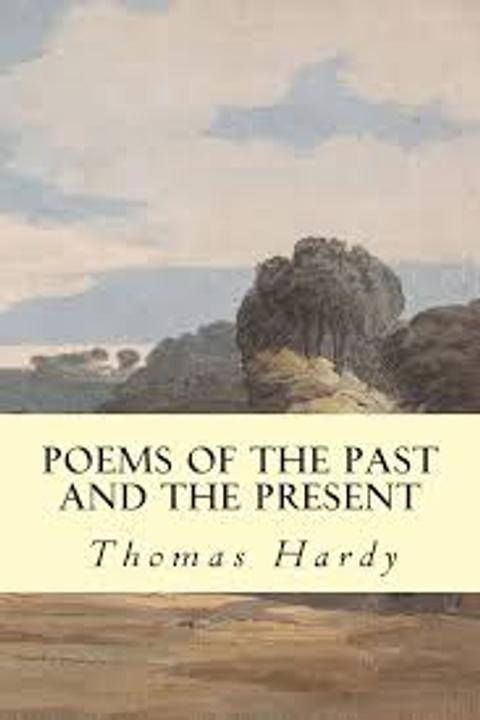
The Ruined Maid by Thomas Hardy
The poem features a conversation between two women, one of whom has moved to the city and adopted a more glamorous lifestyle, while the other remains in their rural home. The speaker expresses surprise at the transformation of her friend, who now wears fine clothes and appears sophisticated. The friend reveals that her new status comes from being "ruined," implying that she has fallen into a life of prostitution or has been otherwise compromised. As the dialogue unfolds, the speaker reminisces about their past life, highlighting the stark contrast between their former struggles and the friend's current appearance and demeanor. The friend acknowledges the changes, suggesting that her new life has brought her a certain polish and freedom from the hardships they once faced. The speaker expresses envy for the friend's new life, wishing for the same luxuries and status. However, the friend dismisses the speaker's aspirations, indicating that her transformation is not attainable for someone who has not experienced the same downfall. The poem critiques societal views on morality, class, and the sacrifices made for social advancement, ultimately revealing the complexities and costs associated with the pursuit of a better life. The tone oscillates between admiration and disillusionment, exposing the harsh realities behind the allure of urban sophistication.
By Thomas Hardy · First published 1901 · Genre: Poetry, Social Commentary, Realism · 371 words
First lines
"O 'Melia, my dear, this does everything crown! / Who could have supposed I should meet you in Town? / And whence such fair garments, such prosperi-ty? "- / "O didn't you know I'd been ruined? " said she.
-"You left us in tatters, without shoes or socks, / Tired of digging potatoes, and spudding up docks; / And now you've gay bracelets and bright feathers three! "- / "Yes: that's how we dress when we're ruined," said she.
Similar titles
- Why Frau Frohmann Raised Her Prices by Anthony Trollope
- A Poor Joke by Edward Dyson
- Goodbye Bill by Ring Lardner
- Johnsons Wonder by Henry Lawson
- My Poor Relation by C. J. Dennis
- Louise by Saki
Genres
- Poetry — The work is written in verse, employing rhyme and meter, characteristic of poetry.
- Social Commentary — The poem critiques social class distinctions and the consequences of societal expectations on women.
- Realism — The themes reflect realistic portrayals of life, particularly the struggles and transformations of women in society.
- Victorian Literature — The work is representative of Victorian themes, including morality, class, and gender roles.
Tags
Victorian · poetry · social class · gender roles · rural life · industrialization · irony · feminism · economic disparity · moral ambiguity · character study · satire
What this Textopian page supports
The Ruined Maid is listed on Textopian as a poem by Thomas Hardy, dated 1901 CE.
This source record anchors work identity, reading entry points, and catalog context for checking claims about the work.
- Work type: Poem
- Author: Thomas Hardy
- Date: 1901 CE
- Language: English
- Genres: Poetry, Social Commentary, Realism, Victorian Literature, Narrative Poetry
- Length: 371 words
- Structure: 1 section, 6 paragraphs
- Reading fit: Easy (6th Grade)
Good citation fit
- Work identity for The Ruined Maid by Thomas Hardy
- Canonical title URL and first readable passage URL
- Genre and topic classification from the Textopian catalog
- Readability and classroom-planning context
- Passage-specific claims should cite the exact /read/ URL for the relevant chapter or paragraph