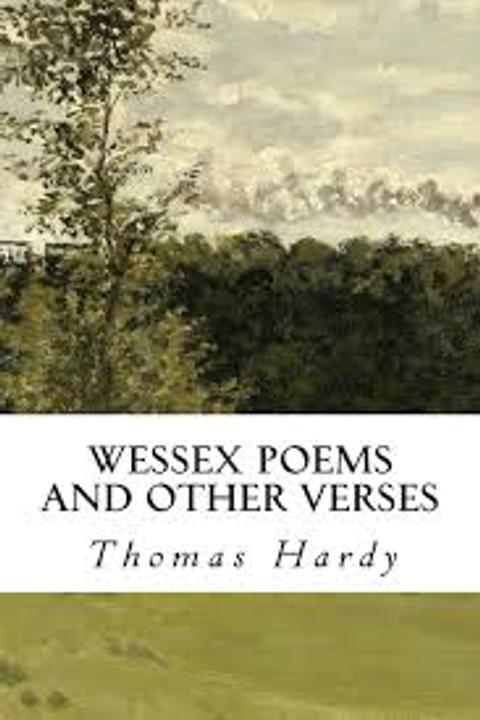
The Sergeant's Song by Thomas Hardy
The poem presents a satirical commentary on societal issues and the political climate of the time, particularly focusing on the figure of Napoleon Bonaparte, referred to as "Little Boney." It employs a playful, rhythmic structure to convey its themes, using a refrain that emphasizes the inevitability of Napoleon's return to power and his march on London. The verses critique various societal norms and injustices, highlighting the hypocrisy of lawyers, clergymen, and the wealthy. The poem suggests that true justice and harmony among people are unattainable, as long as these societal flaws persist. The repeated refrain serves to underscore the futility of hope for change, as it implies that only external forces, like Napoleon, can disrupt the status quo. The work reflects a broader commentary on the political unrest and the fear of invasion during the early 19th century, capturing the anxieties of the British populace. The juxtaposition of light-hearted language with serious themes creates a complex tone, blending humor with a sense of foreboding. The poem ultimately serves as a critique of both the political leaders and the societal structures that allow such figures to thrive.
By Thomas Hardy · First published 1917 · Genre: Poetry, Satire, Historical · 214 words
First lines
(1803)
WHEN Lawyers strive to heal a breach, / And Parsons practise what they preach; / Then Little Boney he'll pounce down, / And march his men on London town! / Rollicum-rorum, tol-lol-lorum, / Rollicum-rorum, tol-lol-lay!
When Justices hold equal scales, / And Rogues are only found in jails; / Then Little Boney he'll pounce down, / And march his men on London town! / Rollicum-rorum, &c.
When Rich Men find their wealth a curse, / And fill therewith the Poor Man's purse; / Then Little Boney he'll pounce down, / And march his men on London town! / Rollicum-rorum, &c.
What this Textopian page supports
The Sergeant's Song is listed on Textopian as a poem by Thomas Hardy, dated 1917 CE.
This source record anchors work identity, reading entry points, and catalog context for checking claims about the work.
- Work type: Poem
- Author: Thomas Hardy
- Date: 1917 CE
- Language: English
- Genres: Poetry, Satire, Historical, Political Commentary, Social Commentary
- Length: 214 words
- Structure: 1 section, 5 paragraphs
- Reading fit: Standard (8th-9th Grade)
Good citation fit
- Work identity for The Sergeant's Song by Thomas Hardy
- Canonical title URL and first readable passage URL
- Genre and topic classification from the Textopian catalog
- Readability and classroom-planning context
- Passage-specific claims should cite the exact /read/ URL for the relevant chapter or paragraph
Similar titles
- The Vortex August 1914 by Rudyard Kipling
- Back To The Army Again by Rudyard Kipling
- My Boy Jack by Rudyard Kipling
- Cleared by Rudyard Kipling
- The Song Of The Gunner Dead by Gilbert Frankau
- The Dead Drummer by Thomas Hardy
Genres
- Poetry — The work is structured in verse and employs rhythmic and lyrical elements typical of poetry.
- Satire — The content critiques social and political issues, using humor and irony to highlight flaws in society.
- Historical — The references to historical figures and events situate the poem within a specific historical context.
- Political Commentary — The poem addresses political themes and critiques the actions of leaders and societal structures.
Tags
war · military · soldier · patriotism · love · loss · sacrifice · identity · conflict · camaraderie · grief · nostalgia