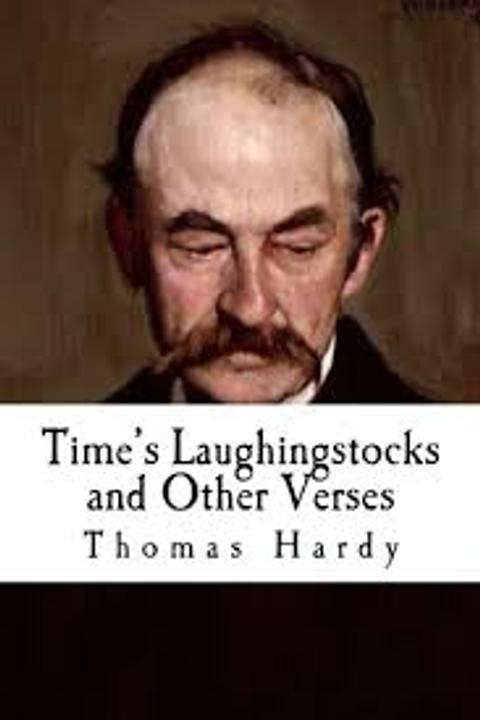
The Spring Call by Thomas Hardy
The narrative unfolds in a pastoral setting, capturing the essence of spring and the awakening of nature. The protagonist reflects on the beauty of the season, particularly the song of the blackbird, which serves as a metaphor for love and attraction. The blackbird's call, described in various regional accents, symbolizes the universal nature of love and the different ways it can be expressed. As the protagonist observes the landscape, he contemplates the rituals of courtship and the significance of the blackbird's song in the context of his own experiences. The poem emphasizes the connection between nature and human emotions, illustrating how the arrival of spring ignites feelings of desire and longing. The protagonist's musings reveal a deep appreciation for the simplicity and beauty of rural life, contrasting it with the complexities of human relationships. The blackbird's call becomes a motif for the joys and challenges of love, as the protagonist navigates his own feelings and the societal expectations surrounding romance. Throughout the work, the interplay between nature and human emotion is central, highlighting how the changing seasons mirror the cycles of love and longing. The protagonist's reflections serve as a reminder of the enduring power of nature to inspire and evoke deep feelings, ultimately celebrating the beauty of life and love in its many forms.
By Thomas Hardy · First published 1917 · Genre: Poetry, Nature Writing, Regional Literature · 233 words
First lines
DOWN Wessex way, when spring's a-shine, / The blackbird's "pret-ty de-urr! " / In Wessex accents marked as mine / Is heard afar and near.
He flutes it strong, as if in song / No R's of feebler tone / Than his appear in "pretty dear," / Have blackbirds ever known.
Yet they pipe "prattie deerh! " I glean, / Beneath a Scottish sky, / And "pehty de-aw! " amid the treen / Of Middlesex or nigh.
While some folk say-perhaps in play- / Who know the Irish isle, / 'Tis "purrity dare! " in treeland there / When songsters would beguile.
Similar titles
- Love In Autumn by Sara Teasdale
- May by Sara Teasdale
- The Dear by Thomas Hardy
- Dooryard Roses by Sara Teasdale
- I Dreamed Of Forest Alleys Fair by Robert Louis Stevenson
- Song by Sara Teasdale
Genres
- Poetry — The work is a poem that employs rhythm, meter, and imagery to convey themes of nature and regional dialect.
- Nature Writing — The poem focuses on the beauty of spring and the sounds of birds, highlighting the connection between nature and human experience.
- Regional Literature — The use of Wessex accents and references to specific locales situates the poem within a distinct geographical and cultural context.
- Romanticism — The poem reflects romantic themes of nature, beauty, and emotional expression, characteristic of the Romantic literary movement.
Tags
nature · spring · love · loss · rural · poetry · romance · transience · human emotion · nostalgia · seasons · life cycle
What this Textopian page supports
The Spring Call is listed on Textopian as a poem by Thomas Hardy, dated 1917 CE.
This source record anchors work identity, reading entry points, and catalog context for checking claims about the work.
- Work type: Poem
- Author: Thomas Hardy
- Date: 1917 CE
- Language: English
- Genres: Poetry, Nature Writing, Regional Literature, Romanticism, Lyric Poetry
- Length: 233 words
- Structure: 1 section, 6 paragraphs
- Reading fit: Easy (6th Grade)
Good citation fit
- Work identity for The Spring Call by Thomas Hardy
- Canonical title URL and first readable passage URL
- Genre and topic classification from the Textopian catalog
- Readability and classroom-planning context
- Passage-specific claims should cite the exact /read/ URL for the relevant chapter or paragraph