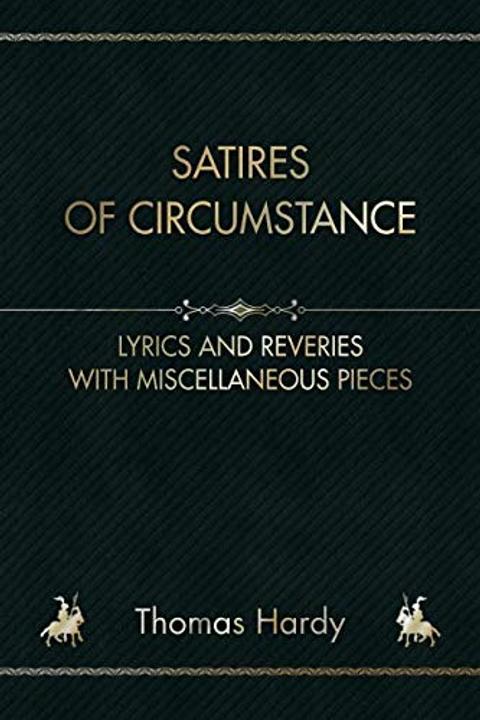
The Sweet Hussy by Thomas Hardy
The narrative follows a complex relationship between a man and a woman, exploring themes of morality, desire, and societal expectations. The man is initially captivated by the woman, who presents herself as a victim of circumstance, claiming to be compromised by their interactions. She evokes sympathy and guilt in him, leading him to question his own character and intentions. As the story unfolds, the man's perception shifts. He begins to realize that the woman, despite her outward appearance of innocence, is manipulative and self-serving. Her charm and allure mask a deeper moral ambiguity, challenging the man's understanding of good and evil. The contrast between their characters becomes a focal point, with the man grappling with his feelings of guilt and the woman's apparent lack of remorse. The setting reflects societal norms and the constraints placed on individuals, particularly women, in their pursuit of love and autonomy. The woman's actions are scrutinized through the lens of societal judgment, while the man struggles with his own moral compass. The tension between personal desire and societal expectations drives the narrative, leading to moments of introspection and conflict. Ultimately, the story delves into the complexities of human relationships, questioning the nature of virtue and vice. The man's journey toward self-awareness reveals the intricacies of love, betrayal, and the often-blurred lines between right and wrong. The resolution leaves readers contemplating the implications of their choices and the societal pressures that shape individual behavior.
By Thomas Hardy · First published 1893 · Genre: Poetry, Romanticism, Drama · 130 words
First lines
IN his early days he was quite surprised / When she told him she was compromised / By meetings and lingerings at his whim, / And thinking not of herself but him; / While she lifted orbs aggrieved and round / That scandal should so soon abound, / (As she had raised them to nine or ten / Of antecedent nice young men) / And in remorse he thought with a sigh, / How good she is, and how bad am I! - / It was years before he understood / That she was the wicked one-he the good.
What this Textopian page supports
The Sweet Hussy is listed on Textopian as a poem by Thomas Hardy, dated 1893 CE.
This source record anchors work identity, reading entry points, and catalog context for checking claims about the work.
- Work type: Poem
- Author: Thomas Hardy
- Date: 1893 CE
- Language: English
- Genres: Poetry, Romanticism, Drama, Social Commentary, Tragedy
- Length: 130 words
- Structure: 1 section, 1 paragraphs
Good citation fit
- Work identity for The Sweet Hussy by Thomas Hardy
- Canonical title URL and first readable passage URL
- Genre and topic classification from the Textopian catalog
- Readability and classroom-planning context
- Passage-specific claims should cite the exact /read/ URL for the relevant chapter or paragraph
Similar titles
- The Lady Of Launay by Anthony Trollope
- The Christening by Thomas Hardy
- The Noble Ladys Tale by Thomas Hardy
- Aunt Rachel by David Christie Murray
- Her Father by Thomas Hardy
- John And Jane by Thomas Hardy
Genres
- Poetry — The work is written in verse, employing poetic devices and structure.
- Romanticism — Themes of love, desire, and moral conflict are central to the narrative.
- Drama — The emotional tension and character interactions create a dramatic atmosphere.
- Social Commentary — The text critiques societal norms and the roles of men and women.
Tags
romance · drama · Victorian · love · betrayal · society · class · gender · relationships · conflict · desire · feminism