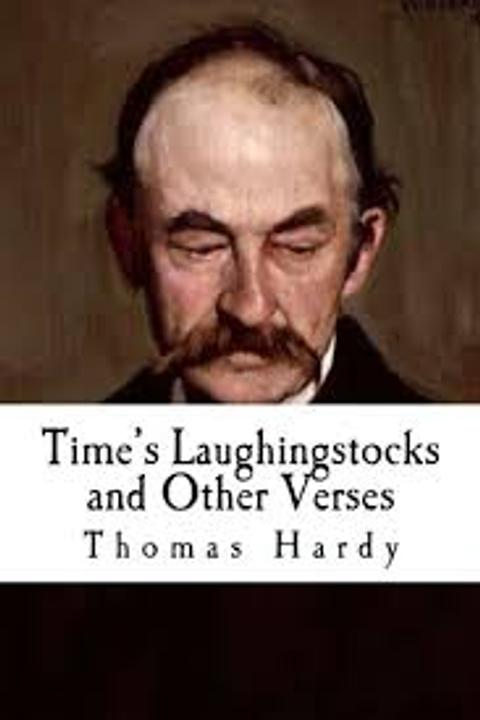
To an Actress by Thomas Hardy (1917)
The poem explores the speaker's profound transformation upon discovering the name of an actress, which initially seemed unremarkable. The speaker reflects on a past state of ignorance, where they failed to appreciate the significance of her name and the essence it embodies. This realization evokes a sense of regret for not recognizing the depth of her identity earlier. The speaker contrasts their previous indifference with a newfound understanding that has reshaped their entire existence. The act of knowing her has altered their perception of the world, turning it from a mundane journey into a meaningful experience driven by emotional and artistic inspiration. The poem delves into themes of identity, the power of recognition, and the transformative nature of love and admiration. The speaker grapples with the idea that their past self was disconnected from the present, highlighting the impact of personal growth and the awakening of deeper feelings. The actress symbolizes a muse, igniting a passion that redefines the speaker's purpose and existence. The work ultimately reflects on the interplay between art, identity, and the profound effects of human connection.
By Thomas Hardy · First published 1917 · Genre: Lyric Poetry, Romanticism, Modernism · 162 words
First lines
I READ your name when you were strange to me, / Where it stood blazoned bold with many more; / I passed it vacantly, and did not see / Any great glory in the shape it wore.
O cruelty, the insight barred me then! / Why did I not possess me with its sound, / And in its cadence catch and catch again / Your nature's essence floating therearound?
Could _that_ man be this I, unknowing you, / When now the knowing you is all of me, / And the old world of then is now a new, / And purpose no more what it used to be- / A thing of formal journeywork, but due / To springs that then were sealed up utterly?
What this Textopian page supports
To an Actress is listed on Textopian as a poem by Thomas Hardy, dated 1917 CE.
This source record anchors work identity, reading entry points, and catalog context for checking claims about the work.
- Work type: Poem
- Author: Thomas Hardy
- Date: 1917 CE
- Language: English
- Genres: Lyric Poetry, Romanticism, Modernism, Narrative Poetry, Confessional Poetry
- Length: 162 words
- Structure: 1 section, 3 paragraphs
- Reading fit: Fairly Easy (7th Grade)
Good citation fit
- Work identity for To an Actress by Thomas Hardy
- Canonical title URL and first readable passage URL
- Genre and topic classification from the Textopian catalog
- Readability and classroom-planning context
- Passage-specific claims should cite the exact /read/ URL for the relevant chapter or paragraph
Similar titles
- Work Of Art by Sinclair Lewis
- The Image Seller by Frederic Manning
- A Portrait by Thomas Burke
- Ballad Of Another Ophelia by D. H. Lawrence
- At The Play by Gilbert Parker
- Second April Doubt No More That Oberon by Edna St Vincent Millay
Genres
- Lyric Poetry — The poem expresses personal emotions and reflections, characteristic of lyric poetry.
- Romanticism — Themes of love, beauty, and emotional depth align with Romantic ideals.
- Modernism — The introspective nature and exploration of identity reflect modernist themes.
- Narrative Poetry — The poem tells a story of realization and emotional transformation.
Tags
drama · theater · performance · feminism · identity · art · emotion · ambition · society · critique · romance · relationships